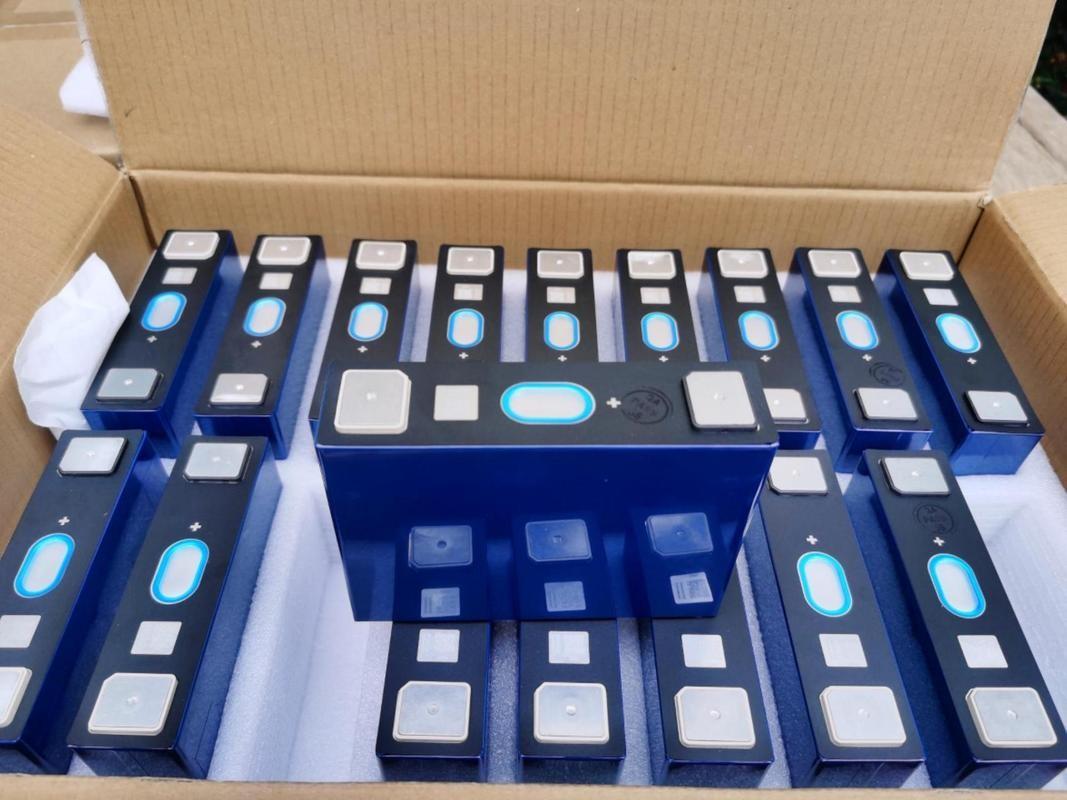
Battery performance, safety, and longevity all rely on a small but vital part: the end of a battery, commonly called the battery terminals. While many people think “the end of a battery” means when it stops working, in technical terms it’s something else entirely. In battery engineering, the “end” actually refers to the contact points where electrical energy enters and exits.
In this article, you’ll discover what battery terminals are, how to recognize them, why they’re important, and how to maintain them for lasting performance.
In everyday language, the “end of a battery” usually means when the battery no longer powers a device. But in technical use, it refers to the terminals—the crucial contact points that allow current to flow.
These terminals act as the bridge between the battery and the device it powers. Electricity flows from one terminal to the other through a connected circuit, supplying your device with the energy it needs. Without well-maintained terminals, even the best battery won’t deliver power consistently.
Battery terminals consist of two metal contact points at opposite ends of a battery: the positive terminal and the negative terminal.
Positive Terminal (+)
- Marked with a “+” sign
- Often colored red
- Where electrical energy flows out of the battery
Negative Terminal (–)
- Marked with a “–” symbol
- Usually black in color
- Where current returns to complete the circuit
These terminals don’t just enable energy transfer—they also affect how securely and efficiently a battery connects to a device.
Correctly identifying terminals is essential for safe installation, maintenance, and operation. Here are the best ways to tell them apart:
1. Look for Symbols and Color Codes
Most batteries are clearly labeled:
- “+” for positive, typically in red
- “–” for negative, usually in black
This is the quickest and most common method.
2. Examine the Terminal Shape
For cylindrical batteries (AA, AAA, C, D):
- Positive terminal → raised bump
- Negative terminal → flat surface
3. Check Terminal Size
Larger batteries—like those in cars or industrial equipment—often have:
- A larger post for positive
- A smaller post for negative
This helps prevent accidental reverse connections.
4. Review Voltage Markings
Advanced batteries (Li-ion, NiMH, LFP) may show voltage labels near terminals.
The positive terminal always has the higher voltage potential.
Proper identification helps avoid short circuits, device damage, and even fire risks.
Battery terminals are the gateway between stored energy and usable power. Problems here can greatly reduce performance.
1. Increased Electrical Resistance
Corrosion, dirt, oxidation, or loose connections raise resistance, leading to:
- Reduced power output
- Overheating
- Faster battery drain
2. Poor Power Delivery
Faulty connections can cause:
- Intermittent power
- Device malfunction
- Failure to start
This is especially critical in cars, backup systems, and high-drain electronics.
3. Safety Hazards
Damaged terminals may result in:
- Overheating
- Leakage
- In extreme cases, fire or explosion
High-capacity lithium batteries are particularly sensitive to poor terminal contact.
4. Shortened Battery Life
Clean, secure terminals minimize electrical loss and improve energy transfer, helping batteries last longer.
Terminal types vary by battery design and application. Here are the most common styles:
1. Snap Terminals
Used in:
- Toys
- Portable electronics
- Small household batteries
They “snap” into place for quick, secure connections.
2. Post Terminals
Found in:
- Automotive batteries
- Marine batteries
- RV and heavy-duty batteries
These use large metal posts with clamps or bolts for high-power connections.
3. Lug Terminals
Common in:
- Industrial battery systems
- High-capacity backup batteries
A metal ring (lug) is secured by a bolt, ideal for stable, long-term setups.
4. JST Connectors
Used in:
- Drones
- Power tools
- Remote-control devices
- Rechargeable Li-ion packs
These compact plastic connectors allow precise, reliable connections in tight spaces.
Regular maintenance boosts battery efficiency and safety. Here’s how to keep your battery ends in top shape:
1. Clean Terminals Regularly
Dust and grime restrict electrical contact. Use:
- A soft cloth
- Mild cleaning solution
- A soft brush for tough residue
2. Remove Corrosion
Corrosion looks like a white or bluish powder. Remove it with:
- A baking soda and water mix
- A small brush
- Protective gloves
This neutralizes acidic buildup and restores conductivity.
3. Ensure Tight Connections
Loose connections can cause:
- Sparks
- Heat buildup
- Power interruptions
Always secure cables and connectors firmly.
4. Apply Terminal Protectors
Use:
- Terminal grease
- Anti-corrosion spray
- Protective caps
These barriers help guard against moisture and oxidation.
The end of a battery—its terminals—is more important than most people realize. These small metal contacts determine:
- How efficiently energy flows
- How safely the battery operates
- How long the battery lasts
By understanding what battery terminals are, how to identify them, and how to care for them, you can extend battery life and keep devices running smoothly.
Whether you’re using small household batteries or handling high-capacity lithium systems, maintaining the ends of your batteries ensures peak performance, safety, and reliability.
Next:None
Previous:BAK Battery's 314Ah Energy Storage Cell Redefines Longevity with 10,000 Cycles