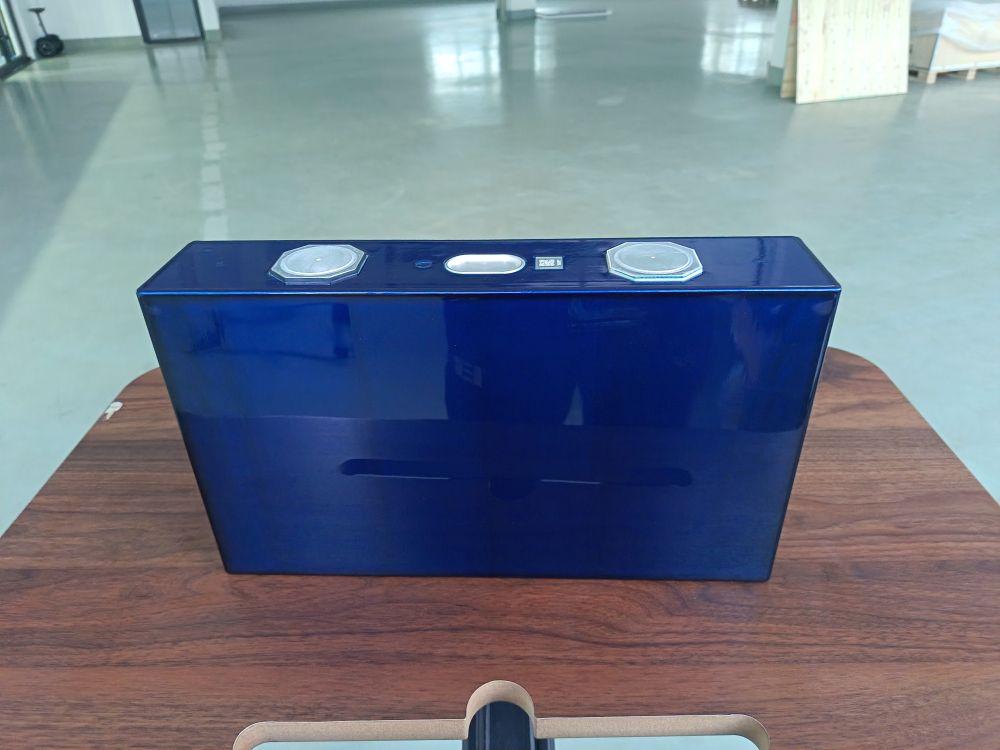
When purchasing and using LiFePO4 (Lithium Iron Phosphate) batteries, a common hurdle is figuring out the necessary battery capacity. With many products from various brands available, selecting the correct capacity for your requirements can be confusing. The central question is: How much LiFePO4 battery capacity is needed to power your devices?
Home energy storage is a primary application for LiFePO4 batteries. While people have traditionally used temporary solutions like lead-acid batteries or generators during outages, LiFePO4 batteries—with their 10-year cycle life—have rapidly become the preferred choice for household storage due to their durability and long-term cost-effectiveness.
Calculating the required LiFePO4 battery capacity for your home is straightforward but involves some basic mathematics. Here are two approaches:
1. Consult Your Electricity Bill
This is the simplest method. Your local utility provides an accurate record of your monthly consumption in kilowatt-hours (kWh). You can use this data to determine your average power usage over a period, typically a month.
Advantage: Simple and accurate for overall usage.
Disadvantage: Lacks detail on specific appliances, which is unhelpful if you only plan to power select items during an outage.
2. Review Appliance Nameplates
Another reliable method is to check the labels on your appliances, which state the power consumption (in watts) for each device. Calculate the energy requirement per appliance by multiplying its power by its hours of operation.
Example: A 200-watt device used for 3 hours requires 200W * 3h = 600Wh (or 0.6kWh).
Sum the results for all appliances you intend to run to find your total energy need.
Advantage: Offers a precise, tailored calculation, ideal for partial backup plans.
Disadvantage: Requires manual data collection and calculation for each appliance.
Most LiFePO4 batteries have a recommended DoD of 80%. To preserve battery life, it's best not to use more than 80% of its total capacity. Therefore, to meet a specific energy need, select a battery with roughly 20% more capacity than your calculated requirement.
Example: For a 5 kWh home storage need, a 6 kWh LiFePO4 battery would be ideal.
Note: Some LiFePO4 batteries support a 100% DoD, meaning you can use their full capacity without impacting lifespan. Always verify this in the manufacturer's specifications.
Beyond home storage, LiFePO4 batteries power RVs, electric vehicles (EVs), marine applications, electric bicycles, and more. The calculation method varies slightly.
RVs: If upgrading from lead-acid, you can reference the existing battery's capacity. Remember that lead-acid batteries typically allow only a 50% DoD, whereas LiFePO4 often permits 80% DoD. If adding new appliances, use the appliance-based calculation method (Method 2 above) to adjust your capacity needs.
Marine Use: LiFePO4 batteries are favored for their lighter weight and durability compared to lead-acid. Crucially, they must be installed in a waterproof casing to protect against seawater damage.
Other Uses (E-bikes, DIY projects, etc.): For compact spaces like e-bikes, you may need to combine multiple small-capacity cells to create a larger battery pack. Here, both capacity and physical size are critical constraints.
Figuring out your necessary LiFePO4 battery capacity depends on your specific application and energy demands. The process can be simple or detailed, based on whether you're backing up an entire home, selected appliances, or a vehicle. Always account for the battery's DoD, as it directly impacts both battery lifespan and your effective capacity.
Be realistic about your needs. It's often impractical to backup every appliance during an outage, and excess capacity can lead to wasted energy. Power demand can also fluctuate based on which devices are used. Therefore, carefully evaluate your requirements before making a final decision.
Next:None
Previous:Nio and CATL Forge Five-Year Strategic Agreement on Long-Life Batteries