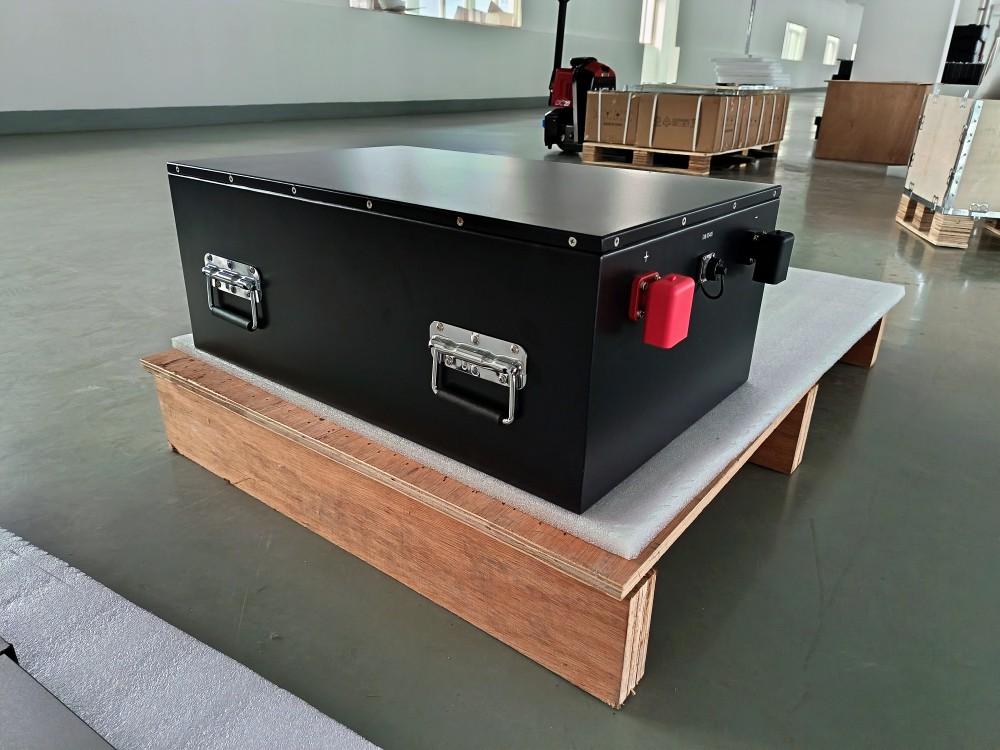
If you're considering lithium batteries for marine, electric vehicle, or off-grid applications, customization isn't just an added benefit—it's essential for achieving peak performance. While lithium technology already offers superior lifespan and efficiency compared to lead-acid, off-the-shelf solutions often miss the mark. Here’s how to design the ideal lithium battery by focusing on four key questions.
Every use case has distinct charging needs:
- Standard Charging (1C): Most LiFePO4 batteries reach full charge in about 1 hour at a 1C rate (e.g., 100A current for a 100Ah battery).
- Rapid Charging (2C): For high-demand situations like drone operations, 30-minute charging may be necessary. Ensure your Battery Management System (BMS) includes surge protection for fast-charging compatibility.
Pro Tip: For off-grid setups, combine solar panels with batteries designed to handle irregular current input.
Capacity (Ah) defines runtime, but discharge behavior is equally important:
- Instant Bursts: Cold Cranking Amps (CCA) are vital for engine starts. Select lithium starter batteries rated for 800+ CCA.
- Long-Duration Use: Deep-cycle lithium batteries with 80–100% Depth of Discharge (DoD) are ideal for solar storage or telecom backup.
Formula: Minimum Ah = (Device Wattage × Daily Usage Hours) ÷ Battery Voltage
Lithium batteries are already about 60% lighter than lead-acid, but further customization can optimize weight:
- Marine/RV: Pouch cells can reduce weight by roughly 15% compared to standard prismatic cells.
- Aviation: Ultra-thin cells help minimize payload strain.
Example: A 200Ah lithium marine battery weighs approximately 26 kg, versus about 58 kg for an equivalent AGM battery.
Avoid installation challenges with these approaches:
- Modular Designs: Connect 12V/24V blocks for scalable RV or marine battery banks.
- Custom Shapes: Flexible cells can conform to curved or compact spaces, such as motorcycle compartments.
- Cooling Space: Allow at least 2 cm of clearance around batteries in enclosed installations.
- Smart BMS: Select systems with features like Bluetooth monitoring or CAN bus integration.
- Certifications: Look for UN38.3 (transport) and IP67 (water and dust resistance) ratings.
- Cycle Life: Request test reports showing 3,000+ cycles at 80% DoD.
An experienced lithium battery manufacturer can:
- Program BMS for low-temperature charging (down to -20°C)
- Build batteries using flame-retardant ABS enclosures
- Supply safety documentation certified to standards such as UL1973
Customizing lithium batteries turns them from generic components into tailored power solutions. By carefully evaluating your charging, capacity, weight, and spatial requirements, you can extend battery life, accelerate ROI, and ensure safer, more reliable operation.
Next:None