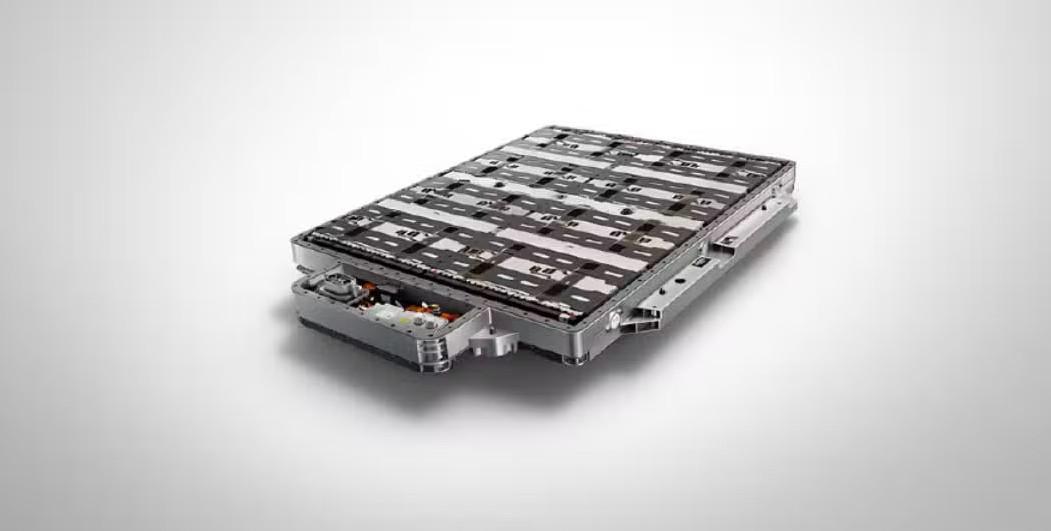
Energy storage hums quietly beneath the surface of modern life—the unsung hero powering everything from the smartphone glued to your palm to the electric vehicle whisking silently past gas stations. And yet, for all their ubiquity, traditional batteries have always felt like a compromise. They work, sure. But perfectly? Not quite. Safety concerns, frustrating energy limitations, sluggish charging, and the inevitable fade over time have sent scientists and manufacturers back to the drawing board. Enter the semi solid state battery—a compelling middle path between today's lithium-ion workhorses and the tantalizing but still-elusive solid-state dream.
Picture honey instead of water. Still capable of flowing, but infinitely more contained. That's the essence of a semi solid state battery: a semi-solid electrolyte that marries the best qualities of liquid and solid systems into one cohesive design. This seemingly modest shift carries enormous weight for safety, performance, and longevity. As industries race to electrify our roads and bank renewable energy with greater efficiency, semi solid state batteries are emerging not as some distant fantasy, but as a practical, here-and-now solution.
What makes them genuinely exciting is their balance. They don't demand a complete overhaul of existing battery manufacturing—yet they deliver tangible leaps in energy density and safety. In an era demanding faster innovation without compromising reliability, semi solid state batteries might just be the bridge we've been waiting for.
To truly grasp what makes semi solid state batteries special, we need to glance backward. Battery technology has advanced in waves—each generation solving one puzzle while inadvertently creating another. Those early lead-acid batteries? Bulky and inefficient, sure, but they gave us our first taste of portable power. Nickel-cadmium and nickel-metal hydride followed, boosting energy density while introducing environmental headaches and that frustrating "memory effect" problem.
Then came the game-changer: lithium-ion batteries. They revolutionized electronics and transportation alike—higher energy density, lighter weight, better efficiency. But there was a catch. Lithium-ion batteries rely on liquid electrolytes that are flammable and prone to leakage. Thermal runaway—that terrifying chain reaction that leads to overheating and fires—became an uncomfortable reality. High-profile recalls and safety incidents made one thing crystal clear: lithium-ion technology, impressive as it was, wasn't the final answer.
As energy demands skyrocketed—especially with electric vehicles and renewable energy storage—the limitations grew harder to ignore. Consumers wanted faster charging, longer range, safer batteries. Researchers turned hopefully toward solid-state designs, replacing liquid electrolytes with solid materials. Yet for all their promise, solid-state batteries introduced fresh hurdles: prohibitive costs and manufacturing complexity that refused to budge.
This gap—between proven lithium-ion technology and the futuristic promise of solid-state—is precisely where semi solid state batteries found their footing. They represent evolution rather than revolution, delivering improvements while staying grounded in what's actually manufacturable.
At its simplest, a semi solid state battery is defined by its electrolyte—that crucial medium allowing ions to shuffle between cathode and anode during charging and discharging. Traditional lithium-ion batteries swim in liquid electrolytes. Solid-state batteries, by contrast, rely entirely on solid materials. Semi solid state batteries? They've found a comfortable home somewhere in between.
The electrolyte here has a gel-like or paste-like consistency. Not fully liquid—which dramatically cuts the risk of leakage and flammability—but not completely solid either, allowing ions to move more freely than in many all-solid designs. This hybrid nature delivers the best of both worlds: enhanced ionic conductivity alongside improved safety and structural stability.
Think of it as traffic flow. Liquid electrolytes are like open highways—fast and efficient, but terrifying when something goes wrong. Solid electrolytes resemble narrow city streets—safer, certainly, but slower going. Semi-solid electrolytes are those well-designed suburban roads, balancing speed with control. This equilibrium allows semi solid state batteries to punch above their weight without sacrificing reliability.
Electrolytes
The electrolyte sits at the heart of any battery, and in semi solid state designs, it's nothing short of starring material. Semi-solid electrolytes typically blend polymers, ceramics, or gel-based compounds infused with lithium salts. This combination delivers mechanical stability while maintaining robust ionic conductivity.
Because the electrolyte isn't fully liquid, it dramatically reduces the risk of internal short circuits. It also helps keep dendrite formation in check—those tiny, needle-like lithium structures that can pierce separators and spell disaster for batteries.
Electrodes
Semi solid state batteries generally employ advanced electrode materials similar to those found in lithium-ion cells, but with enhanced compatibility. Researchers frequently explore high-capacity cathode materials alongside lithium-metal or silicon-based anodes to push energy density to its limits.
Separator and Current Collectors
Even with a semi-solid electrolyte in place, separators and current collectors remain essential components. They ensure efficient electron flow while maintaining physical separation between electrodes—contributing meaningfully to the battery's overall safety and efficiency.
The working principle here feels refreshingly familiar, yet subtly refined. When the battery charges, lithium ions migrate from cathode to anode through the semi-solid electrolyte. During discharge, the process reverses, releasing stored energy to power devices or vehicles.
What makes the difference is how smoothly and safely this ion movement occurs. The semi-solid electrolyte creates a stable environment that minimizes unwanted side reactions and heat buildup. The result? More consistent performance across a wide temperature range.
Charging cycles benefit too. Because the electrolyte can handle higher ionic flux without degrading, semi solid state batteries often support faster charging while experiencing less wear over time. It's like trading a rutted dirt road for freshly paved asphalt—everything flows more smoothly, and the journey lasts longer.
When you stack semi solid state batteries against conventional lithium-ion designs, safety inevitably enters the conversation first. Liquid electrolytes in lithium-ion cells are volatile; semi-solid electrolytes slash flammability risks dramatically. That alone makes semi solid state batteries compelling for electric vehicles and large-scale energy storage.
On energy density, semi solid state batteries generally outperform traditional lithium-ion configurations. They accommodate higher-capacity electrode materials without compromising stability. Lifespan improves as well—reduced degradation means more charge-discharge cycles before performance fades.
Performance-wise, semi solid state batteries maintain efficiency across broader temperature ranges. Lithium-ion cells struggle in extreme heat or cold; semi-solid systems offer greater thermal resilience, holding up when conditions turn harsh.
Solid-state batteries get portrayed as the holy grail—and for good reason—but they come with formidable challenges. Fully solid electrolytes can suffer from disappointing ionic conductivity and interface resistance problems. Scaling up manufacturing remains expensive and stubbornly complex.
Semi solid state batteries offer a practical compromise. They deliver many of the safety and performance advantages of solid-state designs without demanding entirely new production methods. That makes them far more attractive for near-term commercialization.
Semi solid state batteries excel in several critical areas:
- Enhanced safety thanks to dramatically reduced flammability
- Higher energy density compared to conventional lithium-ion cells
- Faster charging without excessive heat generation
- Improved thermal stability across varying operating conditions
These strengths make them ideally suited for demanding applications where reliability isn't negotiable.
For all their promise, semi solid state batteries aren't without hurdles. Material costs can run higher, and optimizing electrolyte composition demands extensive research. Manufacturing processes still need refinement before large-scale affordability becomes reality.
Producing semi solid state batteries requires precise material formulation, controlled environments, and rigorous quality checks. While they leverage existing lithium-ion production lines, adjustments are necessary to handle semi-solid electrolytes efficiently—a manageable evolution rather than a wholesale revolution.
From electric vehicles to renewable energy storage, semi solid state batteries are finding footholds across industries. Consumer electronics benefit from improved safety margins, while aerospace applications value their stability and energy density.
Electric vehicles stand to gain most dramatically. Semi solid state batteries can extend driving range, reduce fire risks, and enable faster charging—improvements that directly address the biggest barriers to EV adoption.
Semi solid state batteries support sustainability goals by improving energy efficiency and reducing material waste. Their longer lifespan means fewer replacements over time, lowering overall environmental footprint.
Major battery manufacturers and ambitious startups alike are pouring investment into semi solid state battery research. Governments and automakers recognize them as strategically vital for the ongoing energy transition.
As materials science advances, semi solid state batteries are expected to achieve even higher energy densities and lower costs. Many experts believe they'll become mainstream well before fully solid-state batteries reach commercial viability.
The semi solid state battery represents a powerful step forward in energy storage technology. By balancing safety, performance, and manufacturability, it bridges the gap between today's lithium-ion batteries and tomorrow's solid-state solutions. As demand for reliable, efficient energy storage continues its relentless growth, semi solid state batteries stand ready to play a defining role in shaping what comes next.
1. What makes semi solid state batteries safer than lithium-ion batteries?
They employ semi-solid electrolytes that dramatically reduce flammability and leakage risks—simple as that.
2. Are semi solid state batteries commercially available?
Some applications are already emerging, with broader commercialization expected in the near future.
3. Can semi solid state batteries replace lithium-ion batteries?
They're likely to complement and gradually supplant lithium-ion batteries across many applications.
4. Are semi solid state batteries environmentally friendly?
Yes—their longer lifespan and improved efficiency contribute to reduced environmental impact over time.
5. How soon will semi solid state batteries be used in electric vehicles?
Several manufacturers are targeting near-term integration within the next few years.
Next:None
Previous:BYD Debuts 2nd-Gen Blade Battery with 9-Minute Flash Charging