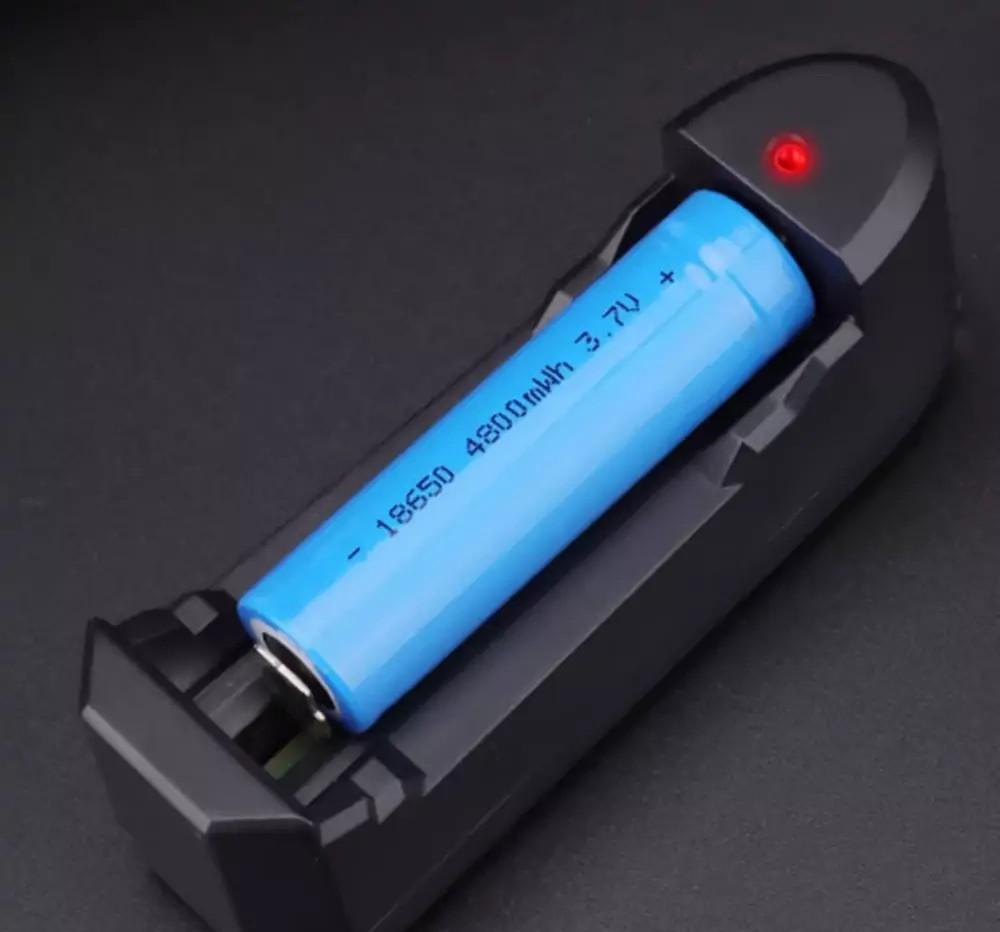
The 18650 lithium-ion battery is one of the most popular rechargeable battery formats worldwide. Due to its compact size, high energy density, and reliable performance, it is widely used in various applications, including power tools, laptops, electric vehicles, medical devices, industrial equipment, and energy storage systems.
Although 18650 batteries offer excellent performance and long service life, improper charging methods can negatively affect battery health and may even result in safety risks. Overcharging, overheating, incorrect charger selection, or improper handling can accelerate battery degradation and, in extreme situations, lead to dangerous failures.
For individual users, engineers, and OEM battery pack manufacturers, understanding how to charge 18650 lithium-ion batteries correctly and safely is essential. This guide covers key aspects of 18650 battery charging, including terminal identification, charger selection, charging procedures, temperature requirements, protection systems, and practical tips to extend battery lifespan.
By following proper charging practices, users can improve battery reliability, maximize cycle life, and reduce potential safety hazards.
Lithium-ion batteries store a large amount of energy in a small package. When charged and operated correctly, 18650 cells provide several advantages:
High energy density
Long cycle life
Stable voltage performance
High charging and discharging efficiency
Low self-discharge rate
However, improper charging conditions can cause various problems, including:
Overcharging
Excessive temperature rise
Reduced battery capacity
Internal short circuits
Battery swelling
Thermal runaway
Fire or explosion under severe conditions
Because lithium-ion cells are sensitive to charging conditions, using the correct charging method is essential for maintaining both performance and safety.
Before connecting an 18650 battery to a charger or battery system, identifying the positive and negative terminals correctly is a critical first step.
Incorrect polarity installation can damage the battery, charger, or connected equipment.
Most standard 18650 batteries have the following positive terminal characteristics:
A raised button-top contact
A "+" polarity marking
A slightly elevated metal terminal
Sometimes an insulating ring around the contact area
The raised positive terminal helps users install the battery correctly and reduces the possibility of reverse connection.
The negative side of an 18650 battery is usually easier to recognize:
A flat metal surface
A "-" polarity marking
No raised button contact
However, some flat-top 18650 batteries have similar appearances on both ends. In these cases, visual inspection alone may not be enough to confirm polarity.
When battery markings are unclear, a digital multimeter can be used to verify the correct polarity.
Testing Steps:
Set the multimeter to DC voltage mode.
Place the red probe on the suspected positive terminal.
Place the black probe on the opposite terminal.
Check the voltage reading.
A normal positive voltage reading confirms the correct polarity. If the reading shows a negative value, the probes are reversed.
Never rely on guesswork when identifying battery polarity. Incorrect connections may cause battery damage or equipment failure.
Not all battery chargers are designed for lithium-ion cells. Using an unsuitable charger can damage an 18650 battery or create unsafe charging conditions.
A proper 18650 lithium-ion battery charger should use the industry-standard Constant Current / Constant Voltage (CC/CV) charging method. This charging profile carefully controls current and voltage throughout the charging process, helping maintain battery safety and performance.
A high-quality charger should include:
CC/CV charging control
Automatic charging termination
Overcharge protection
Overcurrent protection
Short-circuit protection
Reverse polarity protection
Temperature monitoring
Chargers designed for other battery chemistries, such as nickel-based batteries or lead-acid batteries, should not be used for lithium-ion cells because they may cause permanent damage.
Step-by-Step Guide to Charging 18650 Lithium-Ion Batteries
Following a proper charging procedure helps minimize risks and improves battery longevity.
Step 1: Inspect the Battery Before Charging
Always check the battery condition before connecting it to a charger.
Do not charge an 18650 battery if it shows signs of:
Physical damage
Swelling or deformation
Corrosion
Leakage
Damaged wrapping or insulation
Burn marks
Damaged lithium-ion batteries should be safely recycled rather than reused.
Step 2: Install the Battery Correctly
Insert the battery according to the charger's polarity markings.
Make sure:
The positive terminal matches the positive contact.
The negative terminal matches the negative contact.
Installing the battery backward may damage both the charger and the cell.
Step 3: Maintain Safe Charging Conditions
The charging environment has a major impact on battery safety.
Recommended conditions include:
Dry surroundings
Non-flammable surfaces
Good ventilation
Protection from direct sunlight
Stable room temperature
Avoid charging batteries in enclosed spaces or leaving them unattended for long periods.
Step 4: Remove the Battery After Charging
Many modern chargers automatically stop charging once the battery reaches full capacity. However, removing fully charged batteries promptly helps reduce unnecessary heat exposure and supports long-term battery health.
Recommended Charging Temperature for 18650 Batteries
Temperature plays an important role in lithium-ion battery performance, safety, and service life. Charging an 18650 battery outside the recommended temperature range can accelerate aging and increase the possibility of internal damage.
Ideal Charging Temperature Range
The recommended charging temperature range for most 18650 lithium-ion batteries is:
0°C to 45°C (32°F to 113°F)
Keeping the battery within this range helps maintain charging efficiency while reducing stress on internal components.
Risks of Charging Below 0°C
Charging lithium-ion batteries in freezing temperatures can cause several problems, including:
Lithium plating on the anode surface
Permanent capacity reduction
Increased internal resistance
Possible internal cell damage
Cold charging is particularly harmful because lithium ions may not properly intercalate into the electrode structure, which can reduce battery performance and safety.
Risks of Charging Above 45°C
High-temperature charging can accelerate chemical reactions inside the battery and may result in:
Electrolyte breakdown
Increased gas generation
Battery swelling
Reduced cycle life
Thermal instability
Increased fire risk
Always follow the charging temperature limits specified by the battery manufacturer.
Best Practices to Extend 18650 Battery Lifespan
Proper charging is only one part of maintaining lithium-ion battery performance. Daily usage, storage conditions, and handling methods also influence battery life.
To maximize the service life of 18650 batteries, consider the following practices:
Use reliable lithium-ion battery chargers from reputable manufacturers.
Avoid charging batteries beyond their recommended voltage limits.
Prevent deep discharge whenever possible.
Recharge batteries before they become completely depleted.
Store unused batteries at approximately 50% charge.
Keep batteries in cool and dry environments.
Clean battery contacts regularly to maintain good electrical connections.
Avoid physical impacts, punctures, or mechanical damage.
Following these practices can significantly reduce battery degradation and help maintain stable performance over hundreds of charge cycles.
Why Battery Protection Systems Are Important
Many modern 18650 batteries are equipped with additional safety electronics, such as a Protection Circuit Board (PCB). These circuits continuously monitor battery conditions and help prevent unsafe operating situations.
A protection circuit can disconnect the battery when abnormal conditions are detected, adding an extra layer of safety for users and equipment.
Common Protection Functions Include:
Overcharge protection
Over-discharge protection
Overcurrent protection
Short-circuit protection
Temperature protection
Protected 18650 batteries are especially useful in consumer electronics, portable devices, and custom battery packs where additional safety control is required.
Protected vs. Unprotected 18650 Batteries
18650 batteries are generally divided into two categories: protected and unprotected cells.
| Feature | Protected 18650 Battery | Unprotected 18650 Battery |
| Built-in safety circuit | Yes | No |
| Overcharge protection | Yes | No |
| Short-circuit protection | Yes | No |
| Temperature protection | Yes | No |
| Safety level | Higher | Lower |
| Physical size | Slightly longer due to protection components | Standard size |
| Typical users | General consumers and everyday applications | Experienced users and specialized applications |
For most consumer applications, protected batteries are the safer choice because they provide additional protection against common charging and usage errors.
Common 18650 Charging Mistakes to Avoid
Many battery failures are caused by incorrect charging habits rather than battery defects. Avoiding common mistakes can greatly improve safety and battery reliability.
The following practices should be avoided:
Using an Incompatible Charger
Always use a charger specifically designed for lithium-ion batteries. Chargers made for other battery types may apply incorrect charging parameters.
Charging Damaged Batteries
Never attempt to charge batteries with:
Damaged wrapping
Leakage
Swelling
Burn marks
Physical deformation
Damaged cells may become unstable during charging.
Mixing Different Batteries
Avoid combining 18650 cells with different:
Brands
Capacities
Ages
Charge levels
Mismatched batteries can create uneven charging and discharging conditions.
Leaving Batteries Charging Unattended
Although many modern chargers include safety protections, it is still recommended to monitor charging whenever possible.
Charging in Extreme Temperatures
Avoid charging batteries in environments that are excessively hot, cold, humid, or poorly ventilated.
Ignoring Warning Signs
Stop using a battery if you notice:
Excessive heat
Unusual smell
Swelling
Leakage
Abnormal charging behavior
Early detection can prevent more serious battery failures.
18650 Battery Charging Safety Checklist
Before charging an 18650 lithium-ion battery, check the following:
✓ Confirm the correct battery polarity.
✓ Inspect the battery for damage or abnormal conditions.
✓ Use a dedicated lithium-ion battery charger.
✓ Ensure the charging temperature is within the recommended range.
✓ Check that charger contacts are clean and properly connected.
✓ Keep batteries away from flammable materials.
✓ Monitor the charging process when possible.
✓ Remove batteries after charging is completed.
Following this simple checklist can greatly improve charging safety and help prevent avoidable battery problems.
Custom 18650 Battery Pack Solutions for Industrial Applications
For applications such as industrial equipment, robotics, medical devices, energy storage systems, and OEM products, battery charging safety involves much more than simply choosing the right charger.
A professionally designed 18650 battery pack requires careful consideration of multiple factors, including:
Battery cell selection
Battery chemistry compatibility
Battery Management System (BMS) integration
Charging system matching
Voltage and capacity configuration
Connector design
Safety certifications
A properly engineered battery pack ensures that individual cells operate within safe limits while delivering reliable performance throughout the product lifecycle.
For manufacturers developing customized battery solutions, professional battery pack design and engineering support can help improve safety, efficiency, and overall system reliability.
Conclusion
Charging 18650 lithium-ion batteries safely requires attention to several important factors, including correct battery polarity, suitable charger selection, proper charging temperature, and effective protection systems.
By using high-quality CC/CV chargers, following recommended charging procedures, avoiding unsafe operating conditions, and selecting protected batteries when appropriate, users can significantly improve battery safety while extending service life.
Whether managing a single rechargeable 18650 cell or developing a customized battery pack for industrial applications, adopting proper charging practices helps ensure stable performance, reduces potential risks, and maximizes the long-term value of lithium-ion battery technology.
Welcome to contact us:
Inquire more product details from the: Lithium Ion Battery Suppliers
WhatsApp/Wechat/Mobile: +86 13326321310
Email: info@battery-energy-storage-system.com
Website: www.battery-energy-storage-system.com
Ready to power your energy systems with the best in the industry?
Contact us today to get the latest pricing and discuss your needs with our team!
Next:None
Previous:51.2V 80Ah LiFePO4 Battery for Large Machinery Shipped to China