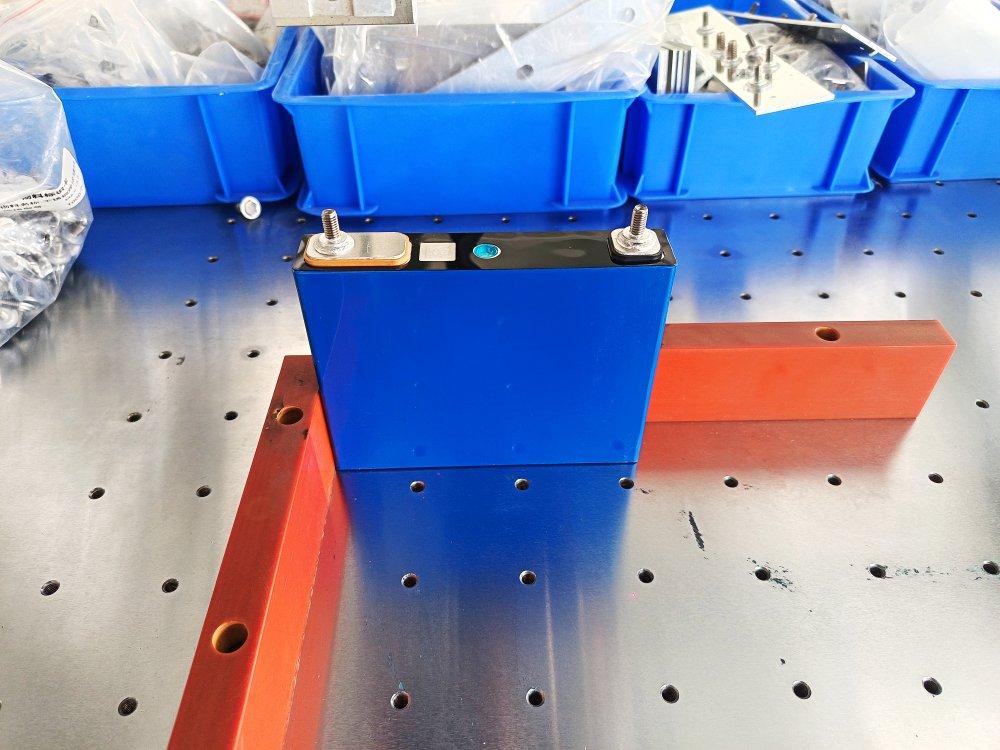
Lithium-ion batteries are the backbone of modern technology, powering everything from electric vehicles and drones to smartphones and energy storage systems. Despite their advanced capabilities, all lithium-ion batteries degrade over time. This natural decline, known as battery aging, results in reduced capacity, shorter runtime, and diminished overall performance. By understanding the main factors that accelerate battery aging, users, engineers, and manufacturers can take steps to extend battery life and enhance reliability.
In this comprehensive guide, we explore the most critical mechanisms behind lithium-ion battery degradation, including temperature, state of charge, charging rate, calendar aging, and cyclic aging. We also offer practical insights into how these factors interact and what can be done to slow down capacity loss.
Battery aging refers to the gradual loss of a battery’s ability to store and deliver energy. This decline stems from irreversible chemical and structural changes within the battery. Two primary types of aging affect lithium-ion batteries:
Calendar aging, which occurs over time regardless of usage
Cycle aging, which results from repeated charging and discharging
Both processes reduce the amount of active lithium available and increase internal resistance, leading to lower efficiency and a shorter operational lifespan.
Temperature is one of the most significant factors influencing the lifespan of lithium-ion batteries. High temperatures accelerate unwanted chemical reactions inside the battery, greatly speeding up degradation.
How High Temperature Causes Battery Degradation
- Electrolyte decomposition increases
- Internal resistance rises
- Electrode materials degrade more quickly
- The protective SEI layer grows excessively
These reactions permanently consume active lithium ions, diminishing the battery’s ability to hold a charge.
Low Temperature Effects
Extremely low temperatures slow down lithium diffusion, raising the risk of lithium plating during charging. This kind of damage leads to permanent capacity loss and increased safety concerns.
State of charge indicates how full or empty a battery is. Keeping a battery at high charge levels for extended periods accelerates aging by placing added stress on internal components.
SEI Layer Growth and Capacity Loss
The solid electrolyte interphase (SEI) layer helps protect the battery, but as it continues to grow, it consumes active lithium and increases resistance, resulting in permanent capacity loss.
Lithium Plating Risk
High charge levels also increase the risk of lithium plating, especially during fast charging or in low temperatures. This can permanently reduce battery capacity.
Fast charging adds stress by generating more heat and increasing the risk of lithium plating. Slower charging is generally better for long-term battery health and helps reduce degradation.
Batteries can lose capacity even when not in use. Chemical reactions continue slowly, particularly at high temperatures and elevated charge levels.
Storage Conditions Matter
Storing batteries at moderate temperatures and at a partial charge can greatly reduce calendar aging.
Repeated charging and discharging gradually wear down battery materials.
Early Cycle Capacity Loss
The first 200 cycles often show the most significant capacity loss, as structural and chemical stabilization takes place.
High Stress Conditions Accelerate Aging
- Frequent full charging
- Cold temperature operation
- High charging currents
- Avoid extreme temperatures
- Keep charge levels between 20% and 80%
- Use moderate charging speeds
- Store batteries at 40% to 60% charge
- Avoid deep discharging
- Use proper battery management systems
Lithium-ion battery aging is driven by temperature, charging rate, state of charge, calendar aging, and cyclic aging. While degradation is inevitable, careful management can significantly extend battery lifespan and maintain performance. Understanding these factors helps maximize efficiency, reduce replacement costs, and improve reliability.
Next:CALB Begins Mass Production of Aviation Batteries for Xpeng Flying Car
Previous:American Battery Factory Secures 4.5 GWh Offtake Agreements