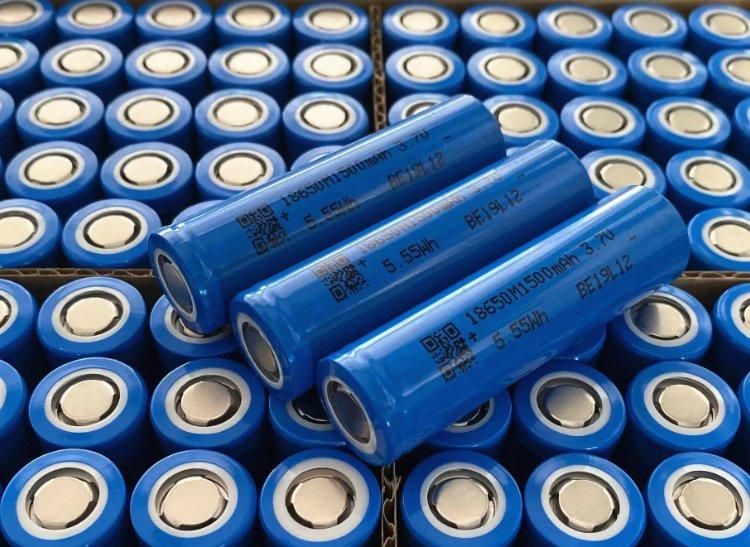
Batteries are the foundation of today’s technology—powering devices ranging from smartphones and laptops to electric vehicles and renewable energy systems. To achieve dependable performance and a longer service life, it is essential to understand two critical indicators: Battery State of Charge (SoC) and Battery State of Health (SoH).
SoC functions like a real-time fuel gauge that shows how much energy remains, while SoH gives you a picture of the battery’s long-term condition and overall efficiency compared to its original state. In this in-depth guide, we’ll examine the distinctions between SoC and SoH, how each one is measured, how they relate to each other, and proven strategies to preserve both for peak battery performance.
The State of Charge (SoC) indicates the percentage of energy remaining in a battery in relation to its full capacity. Put simply, a 100% SoC reading means the battery is fully charged, whereas 0% means it is completely empty.
Just like a fuel gauge in a vehicle, SoC provides an immediate reading of available energy—crucial for applications such as electric vehicles, solar energy storage, and portable electronics.
Methods of Measuring SoC
- Coulomb Counting
- How it works: Monitors the flow of current entering and leaving the battery.
- Pros: Highly accurate when the initial SoC is known; ideal for continuous tracking.
- Cons: Errors build up over time without recalibration; very sensitive to measurement noise.
- Voltage-Based Method
- How it works: Estimates SoC by comparing the battery’s voltage against known reference values.
- Pros: Simple, inexpensive, and fast.
- Cons: Heavily influenced by load conditions, temperature fluctuations, and battery chemistry—leading to reduced accuracy.
- Impedance Spectroscopy
- How it works: Passes a small AC signal through the battery and measures internal resistance to estimate SoC.
- Pros: Delivers detailed insight into the battery’s internal state.
- Cons: Demands specialized equipment and is impractical for everyday use.
Why SoC Monitoring Matters
- Prevents Overcharging & Deep Discharge: Both conditions speed up degradation.
- Ensures Reliability: Accurate SoC tracking helps avoid sudden, unexpected shutdowns.
- Improves Longevity: Keeping SoC within the 20% to 80% range substantially extends battery life.
The State of Health (SoH) assesses a battery’s long-term condition by comparing its current performance against its original specifications. For instance, a battery with 80% SoH can only deliver 80% of the capacity it had when new.
SoH helps determine whether a battery can still be trusted or is approaching the need for replacement. This is particularly critical for electric vehicles, medical devices, and large-scale energy storage systems.
Methods of Assessing SoH
- Capacity Testing
- Fully charge and then discharge the battery to measure the actual capacity versus the original rating.
- Example: A 1000mAh battery that delivers only 800mAh indicates 80% SoH.
- Internal Resistance Measurement
- Healthy batteries feature low internal resistance; rising resistance points to aging and loss of efficiency.
- Determined using Ohm’s Law (Resistance = Voltage ÷ Current).
- Self-Discharge Rate
- Evaluates how quickly a battery loses its charge while sitting idle.
- A high self-discharge rate suggests poor health and possible internal damage.
Factors Affecting SoH
- Battery Age: Natural degradation occurs as time passes.
- Charge Cycles: Each completed cycle gradually reduces long-term capacity.
- Temperature Extremes: Excessive heat or freezing conditions accelerate wear.
- Storage Practices: Storing at around 50% charge in a cool, dry setting helps maintain health.
- SoC measures the current energy level. It is expressed as a percentage (0–100%), tested through voltage or coulomb counting, and represents a short-term snapshot.
- SoH measures the long-term battery condition. It is also expressed as a percentage (0–100%), tested through capacity or resistance tests, and reflects long-term performance.
In summary: SoC tells you how much energy is left right now, while SoH tells you how much overall life remains in the battery.
- SoC Impacts SoH: Frequent deep discharges and regular overcharging put stress on the battery, lowering its overall health.
- SoH Affects SoC Accuracy: As batteries age and lose capacity, SoC estimates become less precise. Advanced battery management systems (BMS) compensate for these changes to improve accuracy.
- Electric Vehicles (EVs):
- Keeping SoC between 20% and 80% can increase EV battery lifespan by up to 60%.
- Regular SoH diagnostics help prevent unexpected drops in driving range.
- Solar Energy Storage:
- Precise SoC readings ensure efficient utilization of renewable power.
- Annual SoH checks protect long-term storage capacity.
- Medical Equipment:
- Devices like oxygen concentrators depend on daily SoC verification and routine SoH monitoring for uninterrupted operation.
- Regular Monitoring: Rely on a quality Battery Management System (BMS) for accurate data.
- Smart Charging: Avoid charging all the way to 100% or draining completely to 0%; stay within the 20–80% range.
- Temperature Control: Shield batteries from extreme heat or cold.
- Proper Storage: When not in use, store at 40–60% SoC in a cool, dry location.
- Routine Maintenance: Inspect terminals, clean connections regularly, and replace batteries once SoH drops below safe thresholds (typically 70–80%).
Understanding both State of Charge (SoC) and State of Health (SoH) is key to maximizing battery performance, extending lifespan, and ensuring safety across all applications.
- SoC reveals how much energy remains.
- SoH shows how much total life is left.
Together, they inform smarter usage, charging habits, and maintenance practices. By adopting optimal charging routines, maintaining proper storage conditions, and monitoring both metrics consistently, you can significantly boost battery reliability and longevity—whether in consumer electronics, renewable energy storage, or electric vehicles.
1. How often should I check my battery’s SoH?
For lithium-ion batteries, testing every 3 months is recommended. For lead-acid types, check every 6 months. EVs may benefit from monthly checks.
2. Can I restore SoH once it drops?
Physical degradation cannot be reversed, but running calibration cycles and storing properly may recover up to 5% of the original capacity.
3. What’s the best SoC range for storage?
Keep the battery between 40% and 60% SoC for long-term storage.
4. Are battery health apps accurate?
Most apps offer approximate readings (within about ±15%). For precise results, use professional-grade analyzers.
5. When should I replace my car battery?
If SoH drops below 60%, or you notice slow engine cranking, dimming headlights, or the need for frequent recharging.
Inquire more product details from the: Lithium Ion Battery Suppliers
WhatsApp/Wechat/Mobile: +86 13326321310
Email: info@battery-energy-storage-system.com
Website: www.battery-energy-storage-system.com
Next:LG Energy Solution Wins 10 Trillion Won EV Battery Supply Deal
Previous:CATL Signs World's Largest 60 GWh Sodium Ion Battery Deal with HyperStrong