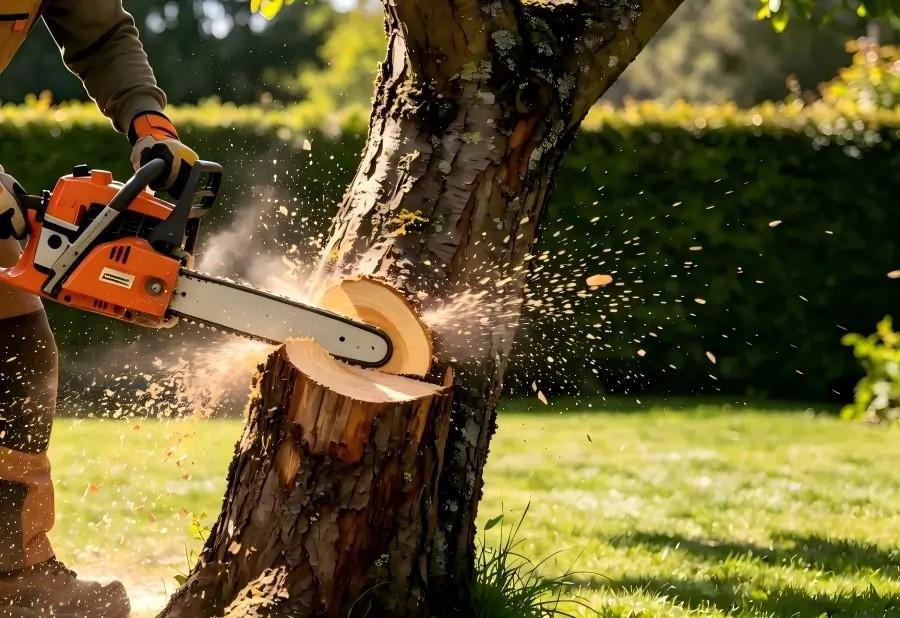
Battery-powered chainsaws have transformed outdoor cutting, delivering a quieter, cleaner, and more user-friendly alternative to gas-powered models. Whether you are trimming branches in the backyard or tackling large trees, picking the correct battery voltage makes all the difference.
Chainsaw batteries come in 12V, 40V, 60V, and 80V options, which leaves many wondering: which voltage gives the best mix of power, runtime, and value? The reality is, the right choice depends entirely on how you intend to use the tool.
This guide explains how voltage influences performance and helps you choose the ideal battery-powered chainsaw for your needs.
Voltage directly affects the power a chainsaw can deliver. In general, a higher voltage means greater cutting force, longer runtime, and improved motor efficiency.
Your ideal voltage hinges on:
- The size and type of wood you cut
- How frequently you use the saw
- Desired runtime between charges
- Preferences for weight and portability
- Your budget
- Power Output – Higher voltage delivers more energy to the motor, helping maintain chain speed and cut through tougher wood efficiently.
- Runtime – Higher-voltage systems often support larger capacity batteries, giving you more work time before needing a recharge.
- Motor Efficiency – Many high-voltage chainsaws use brushless motors, which run cooler and waste less energy.
- Cutting Capability – As voltage rises, so does the ability to cut thicker logs and dense hardwoods.
| Voltage | Ideal Uses | Key Benefits | Approximate Runtime |
| 12V | Light pruning, small branches (under 4 inches), garden work | Lightweight, budget-friendly, easy to maneuver | 20–30 minutes |
| 40V | Yard maintenance, cutting medium branches, firewood prep | Excellent balance of power and affordability, widely available | 40–60 minutes |
| 60V | Firewood cutting, farm tasks, frequent use | Robust power, solid runtime, dependable for demanding work | 60–90 minutes |
| 80V | Professional tree felling, forestry, large hardwoods | Maximum power, longest runtime, commercial-grade quality | 90–120 minutes |
Match the Voltage to the Job
- Light pruning: 12V–40V
- Firewood and medium logs: 60V
- Professional/large trees: 80V
Factor in Runtime Requirements
- Small yards: 20–60 minutes (12V–40V)
- Larger properties or all-day work: 60V or 80V
Consider Your Existing Tool Ecosystem
Several brands share battery platforms across their tool lineup. Staying within one system saves money and adds convenience.
- Power Requirements – Hardwood and thick logs demand higher voltage.
- Runtime – Extended jobs need higher-capacity batteries.
- Weight – Lower-voltage saws are typically lighter and less fatiguing to use.
- Cost – Higher voltage usually means a higher initial price and more expensive replacement batteries.
- Homeowners – 12V or 40V for pruning and general yard tasks.
- Firewood Cutters – 40V or 60V for processing logs.
- Professionals – 80V for demanding, all-day cutting.
There is no single “best” chainsaw battery voltage — it all comes down to your specific tasks. For most homeowners, a 40V model provides the sweet spot of power, runtime, and value. If you regularly cut firewood, stepping up to 60V is worth considering. Professionals and anyone working with large trees will get the most out of an 80V system.
By matching the voltage to your typical jobs, you will work more efficiently, achieve better results, and extend the life of your equipment.
1. Which voltage works best for cutting firewood?
A 60V chainsaw handles most firewood cutting chores very well, particularly logs 10–16 inches in diameter.
2. Can I use an 80V chainsaw for light pruning?
Yes, but it is heavier and pricier than necessary. A 12V or 40V model is a more practical choice for light trimming.
3. How long does a battery last on a single charge?
- 12V: 20–30 minutes
- 40V: 40–60 minutes
- 60V: 60–90 minutes
- 80V: 90–120 minutes
4. Are higher-voltage batteries more dangerous?
All modern lithium-ion batteries include safety systems. However, higher-voltage packs hold more energy and should be handled with care.
5. Can I use batteries of different voltages interchangeably?
No. Chainsaws are built to run on a specific voltage. Using the wrong battery can damage the tool and poses a safety risk.
6. How should I store batteries during winter?
Keep lithium batteries at 50°F–77°F (10°C–25°C) with a charge level between 30% and 50%. Never expose them to freezing temperatures.
Welcome to contact us:
Inquire more product details from the: Lithium Ion Battery Suppliers
WhatsApp/Wechat/Mobile: +86 13326321310
Email: info@battery-energy-storage-system.com
Website: www.battery-energy-storage-system.com
Ready to power your energy systems with the best in the industry?
Contact us today to get the latest pricing and discuss your needs with our team!
Next:Shipment of Winston 100Ah Batteries, 1.8kW OBC, and BMS to South Africa
Previous:Winston 700Ah LiFePO4 Batteries and BMS Shipped to the USA