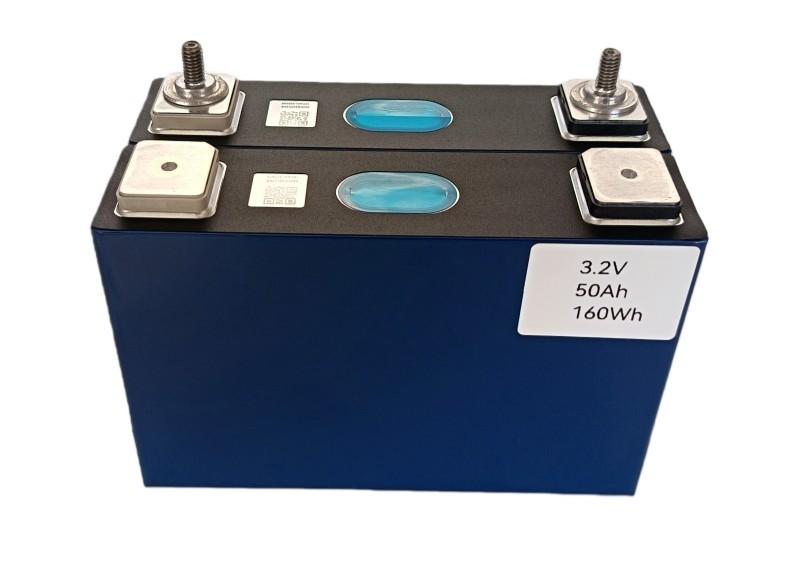
Lithium Iron Phosphate (LiFePO4) battery cells are rapidly emerging as the preferred solution for energy storage across numerous industries. Praised for their outstanding safety, long service life, and eco-friendly profile, LiFePO4 batteries are reshaping fields such as electric vehicles, solar energy storage, and backup power systems. Grasping their core features, strengths, and proper handling is key to unlocking their full potential and ensuring dependable, long-term performance.
LiFePO4 represents a distinct category of lithium-ion battery that uses iron phosphate as the cathode material. This chemistry provides greater thermal stability, consistent power delivery, and an extended cycle life compared to conventional lithium-ion batteries. As a result, LiFePO4 stands out as the optimal choice where safety, efficiency, and durability are paramount.
The exceptional performance of LiFePO4 batteries stems from their carefully designed internal structure:
- Cathode: Made of Lithium Iron Phosphate, it ensures remarkable stability and safety.
- Anode: Typically graphite, allowing efficient movement of lithium ions during charge and discharge.
- Electrolyte: A lithium salt solution that enables ion flow between the electrodes.
- Separator: Prevents direct contact between anode and cathode, avoiding short circuits while permitting ion passage.
LiFePO4 technology brings several compelling advantages for both commercial and personal use:
1. Enhanced Safety & Thermal Stability
LiFePO4 batteries are highly resistant to overheating and thermal runaway, significantly reducing fire risks. This makes them exceptionally suitable for demanding applications like EVs, industrial equipment, and solar installations.
2. Long Lifespan
With the ability to withstand over 3,000 full charge-discharge cycles, these batteries often serve reliably for a decade or more, offering an excellent return on investment over time.
3. High Energy Efficiency
Operating at around 95% efficiency, LiFePO4 batteries minimize energy loss during charging and discharging. This is especially valuable in solar setups, off-grid systems, and electric vehicles.
4. Environmentally Friendly
Free from cobalt and nickel, LiFePO4 batteries are a more sustainable choice. They are also fully recyclable, helping to reduce electronic waste.
5. Fast Charging Support
These batteries allow rapid charging without sacrificing safety or longevity—a crucial benefit for electric vehicles and renewable energy systems where downtime must be minimized.
Thanks to their adaptability and robust performance, LiFePO4 batteries are widely adopted in:
1. Electric Vehicles (EVs) – Chosen for safety, life span, and high-power output.
2. Renewable Energy Storage – Ideal for storing solar and wind energy due to high efficiency and durability.
3. UPS & Backup Power – Delivers reliable power during outages, perfect for critical infrastructure.
4. Marine Applications – Performs well in harsh conditions, powering electric boats and yachts.
5. Portable Power Systems – Provides lightweight, high-capacity energy for outdoor and emergency use.
LiFePO4 batteries function through the movement of lithium ions between the anode and cathode:
- Charging: Lithium ions move from the cathode to the anode. Charging current adjusts as voltage rises, preventing overcharge.
- Discharging: Ions return to the cathode, releasing stored energy. Voltage drops gradually until recharge is needed.
To keep your LiFePO4 batteries performing at their best:
1. Store Properly – Keep in a cool, dry place, ideally between 0°C and 45°C.
2. Avoid Overcharging/Overdischarging – Use a Battery Management System (BMS) to maintain safe voltage levels.
3. Recharge Periodically – Even when idle, maintain a partial charge; avoid long-term storage in a fully depleted state.
4. Monitor Temperature – Although thermally stable, ensure good ventilation during high-load operation to prevent overheating.
LiFePO4 batteries deliver an unmatched blend of safety, durability, efficiency, and sustainability. Whether for electric mobility, renewable energy integration, or backup power needs, they provide a reliable and green energy storage solution. By understanding their design, benefits, and care requirements, you can fully leverage your LiFePO4 investment—securing clean, consistent power for years ahead.
Next:CALB Debuts UP High-Energy Aviation Batteries, Powering Trillion-Dollar Low-Altitude Economy
Previous:EVE Energy and Vimab BESS AB Partner on 1.48 GWh Nordic Energy Storage Projects