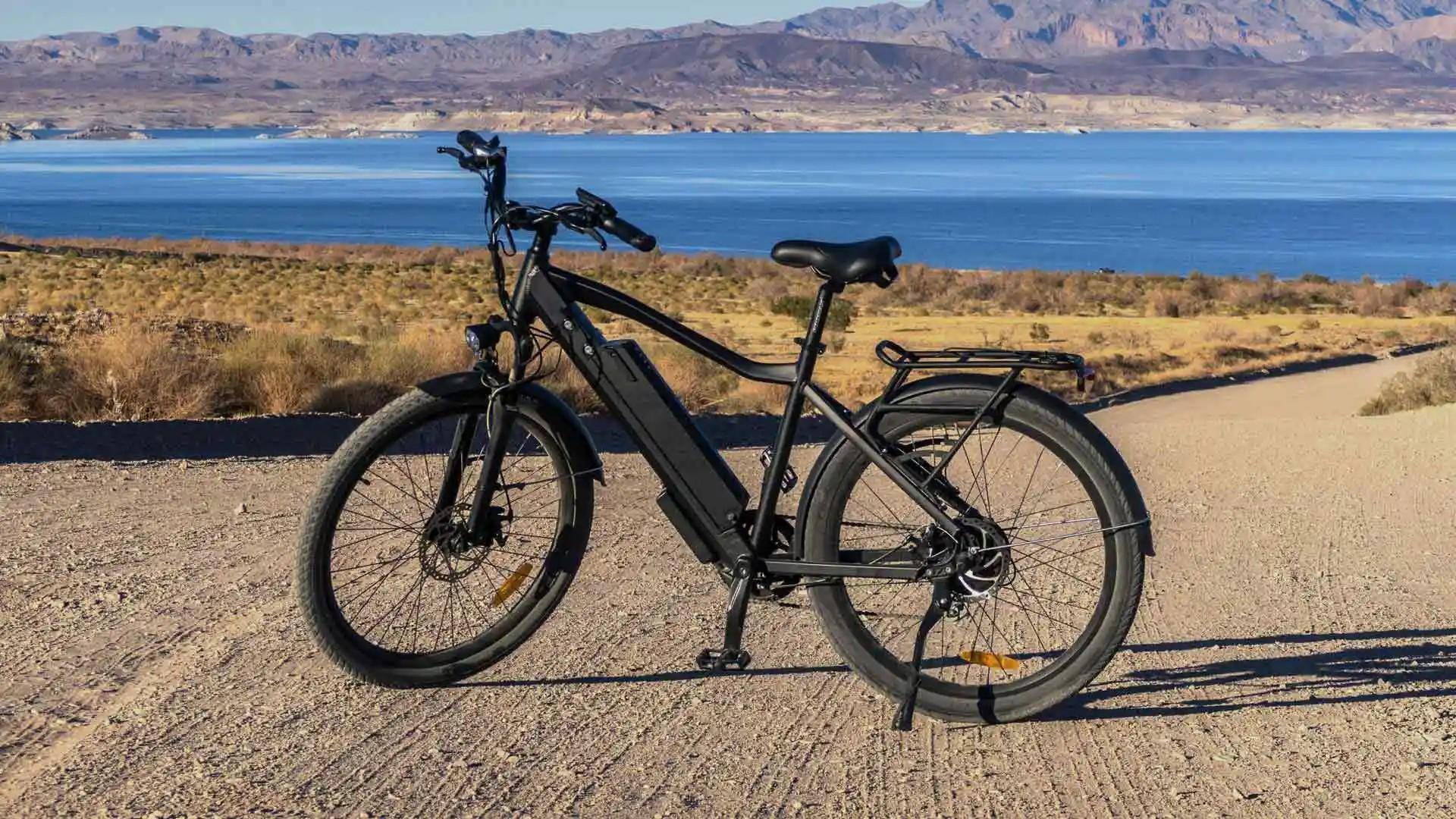
For electric bikes (e-bikes), the battery is far more than just a source of power—it’s the very core of your riding experience. From influencing your maximum speed to determining how far you can go on a single charge, your choice of battery plays a pivotal role. Whether you’re planning an upgrade, building your own e-bike, or simply exploring your options, understanding the different battery technologies is key.
In this guide, we’ll walk you through the best batteries for electric bikes, compare the main types, and explain why lithium-based batteries have become the industry standard.
The overall performance of an electric bike is heavily shaped by its battery. A higher-capacity battery can deliver a longer range and sharper acceleration. On the other hand, a poor battery choice can add unnecessary weight and restrict functionality. For riders aiming to customize their e-bikes for longer journeys or increased torque, picking the right battery technology is the crucial first step.
Pros:
- Low initial cost
- Made from recyclable materials (lead)
Cons:
- Heavy and cumbersome
- Low energy density
- Short lifespan
- Needs frequent upkeep
Lead-acid batteries were once a common sight in older e-bike models, mainly because they were affordable. However, they are extremely heavy—often twice the weight of NiMH batteries and three times heavier than lithium-ion alternatives. Their limited usable capacity and short cycle life make them a poor fit for daily commuting or long-distance riding.
Even though they are easy to recycle and cheap to produce, most e-bike manufacturers have moved away from them in favor of more advanced options like lithium iron phosphate (LiFePO4) batteries.
Pros:
- Higher capacity than lead-acid
- Longer lifespan
Cons:
- Expensive
- Toxic and harmful to the environment
- Difficult to recycle
NiCd batteries offer more energy per unit of weight than lead-acid, which can help extend range. But cadmium is a highly toxic substance, and recycling these batteries is both challenging and environmentally damaging. As a result, NiCd batteries are becoming obsolete, especially in consumer applications like e-bikes.
Advantages:
- Very high capacity
- Low self-discharge rate
- Environmentally friendly (no cadmium)
- No memory effect
- Longer cycle life
- High thermal stability and safety
- Supports fast charging
- Available in multiple formats (AAA, AA, C, D, 9V)
Drawbacks:
- Higher cost
- Only modest range improvements over NiCd
- Lower power density than lithium batteries
While NiMH batteries are more eco-friendly and safer than NiCd, their relatively high price and limited performance gains have led to a decline in use. As lithium-ion technology becomes cheaper, NiMH is quickly losing ground.
Why They're So Popular:
- High energy density
- Lightweight
- Long lifespan
- Low maintenance
- Can be shaped into compact or custom forms
Li-ion batteries have completely transformed the electric bike industry. They provide far better range and power-to-weight ratios than other battery types. Their ability to be molded and integrated into the bike frame (for example, inside the triangle space of a bicycle) makes them a top choice for modern, streamlined e-bike designs.
These batteries aren't just ideal for e-bikes—they're also used in electric motorcycles, power tools, and industrial equipment, thanks to their ability to handle high-rate charging and discharging.
Key Benefits:
- Over 90% market share in the e-bike industry
- High discharge rate (C-rate)
- Fast charging
- High voltage potential
- Lightweight and customizable shapes
Standard LiPo batteries typically deliver 4.2V per cell, but high-voltage versions—such as those from Grepow—can reach up to 4.45V per cell. This voltage increase translates into more discharge energy, directly boosting acceleration and runtime. Mathematically, energy (in watts) equals voltage times current, so raising voltage significantly enhances output.
These features make LiPo batteries ideal for high-performance electric vehicles like electric motorcycles, go-karts, and even drones, where weight, space, and high burst power are critical.
Advantages:
- Excellent thermal and chemical stability
- Longer lifespan than traditional Li-ion
- Safe from overheating and combustion
- Made from environmentally benign materials
LiFePO4 batteries are gaining popularity, especially among users who prioritize safety and longevity. Although they are slightly heavier than standard lithium-ion batteries, they offer consistent performance, low self-discharge, and robust safety features—making them ideal for long-distance riders and commercial delivery e-bikes.
Here’s a quick comparison table:
| Battery Type | Cost | Weight | Lifespan | Power Density | Eco-Friendliness | Current Use |
| Lead-Acid | Low | High | Low | Low | Recyclable | Rare |
| NiCd | High | Medium | Medium | Medium | Toxic | Obsolete |
| NiMH | Medium | Medium | Medium | Medium | Better than NiCd | Declining |
| Li-ion | Medium | Low | High | High | Moderate | Dominant |
| LiPo | Medium | Very Low | High | Very High | Moderate | Popular |
| LiFePO4 | High | Medium | Very High | Medium | High | Growing |
When it comes to modern e-bike battery technology, lithium-ion and its variants (LiPo and LiFePO4) stand out as the top contenders. They offer the best overall balance of weight, performance, safety, and lifespan—making them ideal for everyone from casual riders to high-performance enthusiasts.
Whether you're building an e-bike from scratch or upgrading an older model, investing in a quality lithium-based battery ensures you'll get the most out of every ride.
Next:Chinese Research Team Unveils Sodium Ion Battery With No Thermal Runaway
Previous:Hina Battery Predicts Sodium Ion Battery Costs to Match Lithium by 2028