Caring for forklift batteries goes far beyond a simple checklist — it is an essential operational foundation that directly shapes equipment reliability, workplace safety, and the overall efficiency of your logistics. A methodical, well-executed battery care program dramatically prolongs service life, reduces unexpected downtime, and helps avoid costly replacements or emergency repairs. Whether your fleet runs on conventional lead-acid or modern lithium-ion (Li-ion) power, a rigorous battery service routine is indispensable for keeping warehouse and industrial activities running without interruption.
A professional forklift battery service brings together a range of procedures aimed at sustaining peak performance and durability. Core service elements normally consist of:
- Visual Inspection: A meticulous check for physical flaws such as cracked cases, bulging, corroded terminals, or leaking electrolyte. Spotting problems early averts dangerous breakdowns.
- Battery Cleaning: Removing corrosive deposits and acid residue from terminals, cables, and trays using dedicated neutralizing solutions. This preserves strong electrical contact, prevents voltage drops, and lowers fire hazards.
- Watering (Flooded Lead-Acid Only): The careful addition of distilled water to keep electrolyte at the correct height above the plates. Proper watering protects plates from exposure (which causes permanent harm) and avoids acid spillover.
- Equalization Charging (Lead-Acid Only): A deliberate, timed overcharge carried out periodically. It helps level cell voltages, dissolve sulfate crystals (sulfation) on the plates, and recombine stratified electrolyte, thereby recovering lost capacity.
- Electrical Testing: Measuring individual cell voltages and specific gravity (for lead-acid) with a voltmeter and hydrometer. This pinpoints weak or failing cells before they trigger a total battery failure.
- Cable and Connection Upkeep: Examining, cleaning, and tightening all cable lugs and connectors to guarantee low-resistance links, which maximizes power delivery and operational safety.
- Charger Inspection and Calibration: Confirming that the charger delivers the precise voltage and current profile specified by the battery manufacturer. A malfunctioning charger is one of the top causes of early battery degradation.
- Watering: In flooded lead-acid batteries, water is lost during charging. Adding distilled water after a full charge (when levels stabilize) is crucial. Insufficient water exposes the plates and destroys them; adding too much dilutes the electrolyte and can cause overflow.
- Cleaning: Acid buildup and corrosion on terminals generate high electrical resistance, resulting in energy waste, excess heat, and possible thermal incidents. Routine neutralizing and cleaning are vital for both safety and performance.
- Equalization Charging: This essential restoration step for lead-acid batteries counteracts the natural drift of cells toward imbalance and sulfation. It is usually conducted monthly or as recommended, always following rigorous safety measures.
- Tools: Hydrometer, digital voltmeter, adjustable wrench sets, terminal cleaning brushes, and distilled water filling systems.
- Safety PPE (Personal Protective Equipment): Acid-resistant gloves, goggles, face shield, apron, and rubber boots. All service work must occur in well-ventilated areas.
A structured maintenance program yields concrete advantages:
- Maximum Uptime: Proactive care detects and corrects issues before they cause a failure, keeping forklifts ready and running.
- Extended Battery Service Life: Appropriate maintenance can double or even triple the lifespan of a lead-acid battery, significantly improving return on investment.
- Strengthened Safety: Prevents dangers tied to acid burns, hydrogen gas explosions, electrical shorts, and thermal runaway.
- Stable Performance: Ensures batteries deliver full power and runtime, sustaining operational productivity.
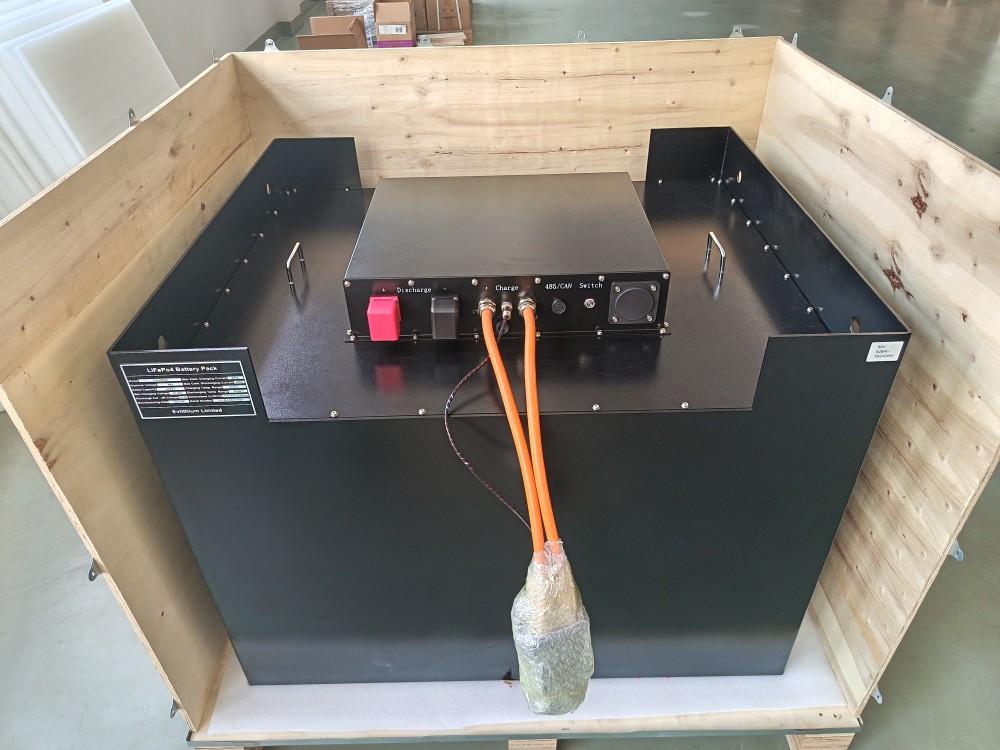
Lithium-ion batteries, especially those built with stable chemistries such as Lithium Iron Phosphate (LiFePO4), deliver a sharp reduction in maintenance demands:
- No Watering: Fully sealed, maintenance-free design.
- No Equalization: Advanced Battery Management Systems (BMS) actively balance cells during every charge cycle.
- Minimal Cleaning Needed: Non-corrosive, sealed terminals.
- Intelligent Oversight: The integrated BMS guards against overcharging, deep discharging, and overheating, while supplying real-time state-of-charge information.
Making the switch to lithium-ion can remove up to 90% of traditional battery maintenance labour, while additionally enabling faster charging, opportunity charging, and a longer total operational life.
Forklift battery maintenance should be viewed not as a cost but as a strategic commitment to dependability, safety, and lower total cost of ownership. From the fundamental tasks of watering and cleaning lead-acid units to the simplified upkeep of contemporary lithium-ion systems, a professional service discipline is the gateway to extracting the greatest value from your motive power assets.
Businesses aiming to reduce maintenance burdens while raising performance are increasingly turning to advanced lithium-ion technology. Regardless of the battery chemistry, a proactive, scheduled maintenance plan carried out by qualified personnel remains the most effective path to ensuring your forklift fleet stays powered, productive, and safe.
It requires adding distilled water to flooded lead-acid cells so that the electrolyte level stays just above the plates, typically after a complete charge cycle. Only deionized or distilled water should be used.
It rectifies voltage imbalances among cells in a lead-acid battery, breaks down sulfation, and restores usable capacity. This periodic procedure is critical to achieving long battery life.
For lead-acid batteries, a full service (including watering, cleaning, and testing) is generally needed on a weekly to monthly basis, depending on usage intensity. Lithium-ion batteries require only occasional visual inspections and charger checks, as outlined by the manufacturer.
They demand substantially less attention than lead-acid. Watering and equalization are entirely eliminated. Maintenance centres on keeping units clean, verifying correct charger communication, and monitoring BMS data for any health alerts.
Technicians must always wear acid-resistant gloves, chemical splash goggles or a face shield, an apron, and sturdy footwear. The work must be performed in a ventilated space, away from any sparks or open flames.
Welcome to contact us:
Inquire more product details from the: Lithium Ion Battery Suppliers
WhatsApp/Wechat/Mobile: +86 13326321310
Email: info@battery-energy-storage-system.com
Website: www.battery-energy-storage-system.com
Ready to power your energy systems with the best in the industry?
Contact us today to get the latest pricing and discuss your needs with our team!
Next:2kW On Board Battery Charger Shipped to Taiwan, China
Previous:Winston 3.2V 60Ah LiFePO4 Batteries Shipped to Germany