Though tiny, button batteries—also called coin cell batteries—are the powerhouse behind countless everyday devices. They keep our watches, hearing aids, calculators, key fobs, and medical equipment running, proving essential to modern portable electronics. This guide covers everything you need to know: how they work, how to decode their names, the different types available, and how to pick the correct one for your device.
A button battery is a small, round, flat cell that provides steady voltage over an extended period. Its compact size, light weight, and dependable performance make it perfect for small electronics where space is at a premium.
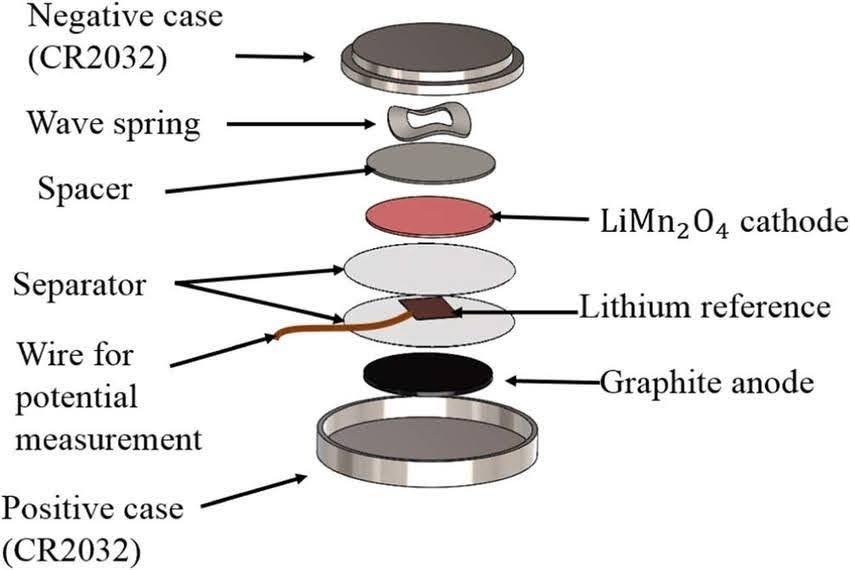
Inside a Button Battery: Key Components
Each button battery is a finely tuned system made up of several crucial parts:
- Cathode (+): The positive terminal, constructed from materials such as manganese dioxide, silver oxide, or zinc-air, depending on the battery chemistry.
- Anode (-): The negative terminal, usually made of lithium or zinc, which reacts with the cathode to produce electricity.
- Electrolyte: A medium that conducts ions, enabling electron flow between the anode and cathode.
- Separator: A thin insulating layer that prevents short circuits while permitting ion transfer.
- Outer Casing: Typically stainless steel, it protects the internal components and also acts as one of the terminals.
How Button Batteries Work
Button batteries function through an electrochemical reaction. When connected to a circuit, electrons travel from the anode to the cathode via the external device, creating a steady stream of power. The materials inside determine the battery’s voltage, lifespan, and overall performance.
Button batteries are labeled according to an international standard that indicates their size, shape, and chemistry.
Take the CR2032, for example:
- C – Chemistry: lithium manganese dioxide
- R – Shape: round (coin-type)
- 20 – Diameter: 20 mm
- 32 – Thickness: 3.2 mm (expressed in tenths of a millimeter)
This straightforward system makes it easy to find compatible replacements. Similarly, SR44 and LR44 follow the same pattern, where “S” stands for silver oxide and “L” for alkaline.
Common Button Battery Examples
| Code | Diameter (mm) | Thickness (mm) | Chemistry | Typical Use |
| CR2032 | 20 | 3.2 | Lithium | Watches, key fobs, fitness trackers |
| SR626SW | 6.8 | 2.6 | Silver Oxide | Medical instruments, cameras |
| LR44 | 11.6 | 5.4 | Alkaline | Toys, remotes, flashlights |
| PR44 | 11.6 | 5.4 | Zinc-Air | Hearing aids |
Different chemical compositions offer distinct performance benefits suited to particular applications.
1. Lithium Button Batteries
- Voltage: 3V
- Best For: Key fobs, calculators, fitness trackers
- Advantages: High energy density, long shelf life, performs well in extreme temperatures
2. Silver Oxide Button Batteries
- Voltage: 1.55V
- Best For: Medical devices, watches, cameras
- Advantages: High capacity, stable output, ideal for precision instruments
3. Alkaline Button Batteries
- Voltage: 1.5V
- Best For: Toys, remotes, small lights
- Advantages: Cost-effective and widely available
4. Zinc-Air Button Batteries
- Voltage: 1.4V
- Best For: Hearing aids and auditory devices
- Advantages: Lightweight, environmentally friendly, high energy density
| Battery Code | Diameter (mm) | Thickness (mm) | Chemistry |
| CR2032 | 20 | 3.2 | Lithium |
| CR2025 | 20 | 2.5 | Lithium |
| SR626SW | 6.8 | 2.6 | Silver Oxide |
| LR44 | 11.6 | 5.4 | Alkaline |
| PR44 | 11.6 | 5.4 | Zinc-Air |
When replacing a battery, always match both the code and voltage to prevent compatibility problems or damage to your device.
Each chemistry delivers a specific voltage:
- Lithium: 3V – high power output
- Silver Oxide: 1.55V – consistent, stable voltage
- Alkaline: 1.5V – suited for moderate power needs
- Zinc-Air: 1.4V – optimized for hearing aids
Using the correct voltage is critical—incorrect voltage can lead to device malfunction or harm sensitive electronics.
Proper installation depends on knowing which side is which:
- Markings: Most batteries have a “+” on the positive terminal.
- Physical Appearance: The positive side is usually larger and slightly raised; the negative side is flat.
- Multimeter Test: If unsure, use a multimeter—a positive reading indicates the “+” terminal.
While most button batteries are disposable, rechargeable types are growing more common due to environmental innovation.
- Non-Rechargeable Button Batteries
Common Types: Alkaline, silver oxide, zinc-air
Best For: Low-drain devices like remotes and toys
Key Benefit: Reliable, inexpensive, and long-lasting for single-use applications
- Rechargeable Button Batteries
Chemistry: Typically lithium-ion (Li-ion)
Used In: Medical devices, fitness trackers, hearing aids
Advantages: Eco-friendly, cost-effective over time, reusable
Rechargeable options help reduce waste and offer a sustainable alternative, though they often come with a higher upfront cost.
Button batteries may be small, but they play a huge role in today’s electronics. Knowing about sizes, voltages, and naming conventions helps your devices run safely and efficiently. Whether you’re swapping a CR2032 in a smartwatch or a PR44 in a hearing aid, using the right battery saves time, money, and protects your devices.
Inquire more product details from the: Lithium Ion Battery Suppliers
WhatsApp/Wechat/Mobile: +86 13326321310
Email: info@battery-energy-storage-system.com
Website: www.battery-energy-storage-system.com
Ready to power your energy systems with the best in the industry?
Contact us today to get the latest pricing and discuss your needs with our team!
Next:HiTHIUM Unveils Three Breakthrough Innovations at Its Third Eco-Day