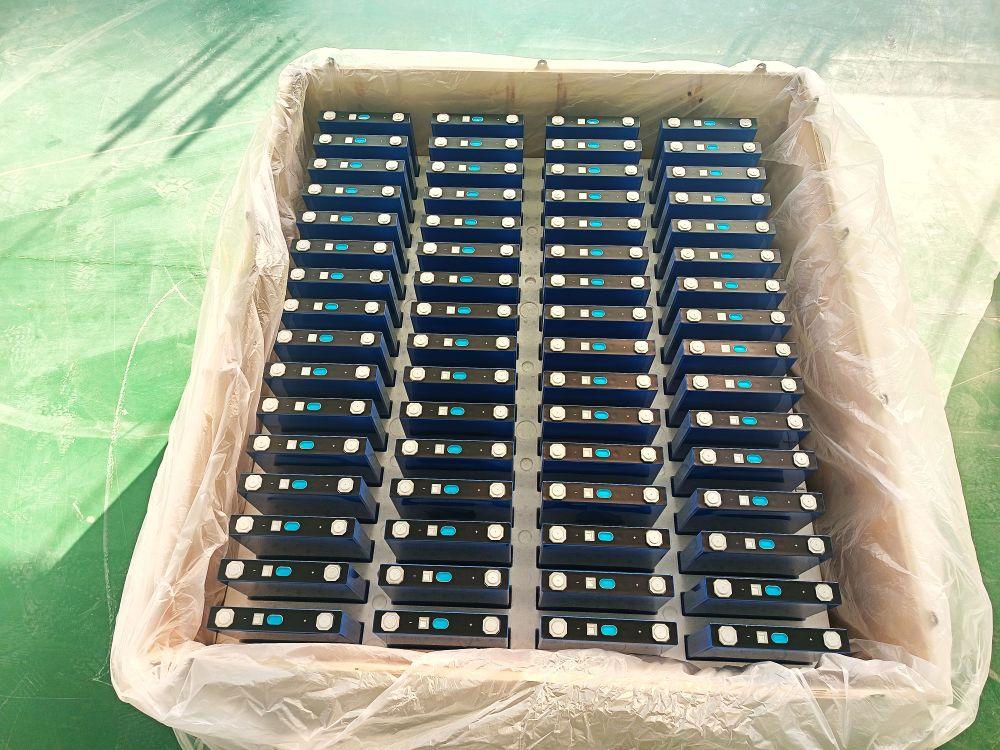
In recent years, LiFePO4 batteries have emerged as a leading topic in energy storage. From solar setups and RVs to electric vehicles and marine use, lithium iron phosphate batteries are steadily displacing traditional lead-acid and other lithium-ion technologies. But for anyone considering the investment, one question always arises: What’s the actual lifespan of a LiFePO4 battery?
The quick answer is impressive—these batteries can last more than a decade and withstand thousands of charge cycles. The detailed answer is even more convincing. In this comprehensive guide, we’ll examine how long LiFePO4 batteries endure, what gives them such longevity, the key factors that affect their durability, and how proper care can maximize your return on investment.
A LiFePO4 battery is a type of lithium-ion battery that uses lithium iron phosphate as its cathode material. This chemistry distinguishes it from other lithium variants like lithium cobalt oxide or lithium manganese oxide.
The result is an exceptionally stable, thermally safe battery that resists overheating. Unlike conventional lithium-ion cells, LiFePO4 batteries are far less susceptible to thermal runaway, ranking them among the safest rechargeable battery technologies available today.
Beyond safety, they are known for steady voltage output, high efficiency, and exceptional cycle life. These traits make them ideal for applications involving frequent charging and discharging—such as solar storage, backup power, off-grid systems, electric mobility, and marine energy solutions.
Understanding Cycle Life
Lifespan is typically measured in charge cycles rather than just years. One cycle represents a full charge and discharge. Most quality LiFePO4 batteries are rated for 4,000 to 6,000 cycles, with some premium models exceeding that under ideal conditions.
To illustrate: if you cycle the battery once daily, a 4,000-cycle rating translates to over 10 years of service. Even after reaching that point, the battery doesn’t abruptly fail—it usually retains about 70–80% of its original capacity, which remains useful for many applications.
Real-World Performance
In practice, LiFePO4 batteries often outlast their specifications. Compared to lead-acid batteries, which generally offer 300–500 cycles, lithium iron phosphate provides a dramatic leap in longevity. This extended life reduces replacement frequency, long-term costs, and environmental impact.
For homeowners with solar storage or businesses needing reliable power, this durability makes LiFePO4 a cost-effective, long-term energy solution.
Several inherent features contribute to their extended service life:
- A stable chemical structure that resists degradation over time
- Low internal resistance, reducing heat buildup during operation
- High tolerance for deep discharges without significant damage
- Efficient energy transfer, minimizing stress on internal components
These qualities allow LiFePO4 batteries to deliver consistent performance across thousands of cycles.
Though built to last, several variables affect real-world longevity. Understanding them can help you optimize performance and lifespan.
1. Depth of Discharge (DoD)
DoD refers to how much battery capacity is used before recharging. While LiFePO4 handles deep discharge better than most, regularly draining it to 100% can shorten overall life.
For optimal lifespan, a DoD of 70–80% is recommended. Shallower cycles extend the total number of usable cycles.
2. Charging Method and Voltage Control
Using the correct charger is critical. LiFePO4 batteries require specific voltage settings different from other lithium or lead-acid types. Overcharging or using an incompatible charger can damage cells and reduce cycle life.
A dedicated LiFePO4 charger or a quality Battery Management System (BMS) ensures proper voltage regulation, cell balancing, and long-term health.
3. Operating Temperature
Temperature significantly affects performance and longevity. LiFePO4 batteries operate best between 0°C and 45°C (32°F to 113°F).
Excessive heat accelerates chemical degradation, while extreme cold can temporarily reduce capacity and efficiency. Adequate ventilation, insulation, or thermal management helps maintain ideal temperatures.
4. Storage Conditions
For long-term storage, keep batteries in a cool, dry place at about 50% state of charge.
Storing them fully charged or fully depleted for months can lead to gradual capacity loss. A partial charge helps preserve internal chemistry.
5. Usage Patterns
Regular use benefits LiFePO4 batteries by keeping the chemistry active and balanced. Extended inactivity may lead to self-discharge or cell imbalance, especially without an advanced BMS.
Periodic charging and discharging help maintain performance if the battery isn’t used frequently.
6. Battery Quality and Manufacturing Standards
Not all LiFePO4 batteries are equal. The quality of materials, cell matching, BMS design, and manufacturing precision all influence lifespan.
High-quality batteries from reputable makers generally deliver longer service life, better safety, and more reliable performance than cheaper, poorly made alternatives.
Proper care helps unlock the full potential of your battery. Follow these best practices to extend its life and ensure consistent performance.
- Store at the Right Temperature
Keep batteries in a cool, dry environment. Avoid prolonged exposure to high heat or freezing conditions.
- Maintain a Partial Charge During Storage
For long-term storage, maintain a charge level between 40–60% to minimize cell stress and preserve capacity.
- Use the Correct Charger
Only use chargers designed specifically for LiFePO4 chemistry. Correct voltage and current are crucial for safety and longevity.
- Avoid Over-Discharging
Although robust, repeatedly discharging below 10–20% can reduce cycle life. Recharge before reaching extremely low levels.
- Keep the Battery Clean and Dry
Ensure terminals are free from corrosion, dust, and moisture. Regular inspections help catch issues early.
Lifespan is a key factor when comparing battery technologies. LiFePO4 batteries offer an unmatched blend of safety, longevity, efficiency, and reliability.
While the upfront cost may be higher than traditional batteries, the extended service life, minimal maintenance, and reduced replacement frequency make them more economical over time.
LiFePO4 batteries are reshaping modern energy storage. With lifespans exceeding a decade, thousands of charge cycles, and outstanding safety, they provide a robust solution for residential, commercial, and mobile power needs.
As demand for renewable energy and reliable power grows, lithium iron phosphate technology stands out as a sustainable, long-term investment. Trusted brands like BESS are at the forefront, delivering high-quality LiFePO4 batteries designed for solar systems, RVs, marine applications, and off-grid living.
Whether you’re powering a home with solar, upgrading your RV, or seeking dependable backup power, a premium LiFePO4 battery offers peace of mind and consistent performance for years to come.
Next:Maxell Unveils Rechargeable Solid-State Module Compatible with ER Cell Size
Previous:HiTHIUM Unveils 8-Hour Long-Duration Energy Storage Solution at WFES 2026