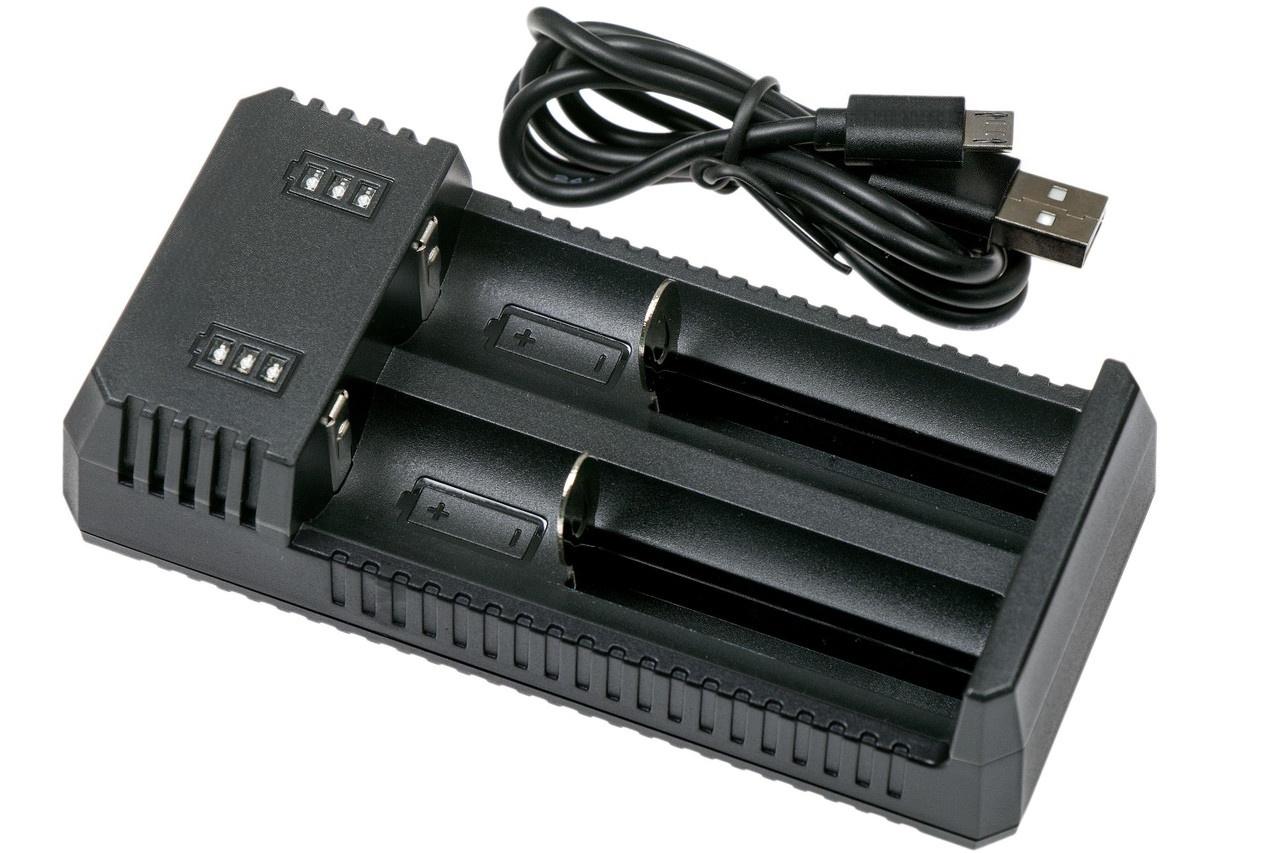
Choosing the correct charger is essential for maintaining your 18650 batteries. No matter if you’re powering electronics, tools, or electric vehicles, the charger you select greatly impacts your battery’s performance, lifespan, and safety. This detailed guide covers the various styles of 18650 chargers, important factors to keep in mind when buying one, and recommended practices for charging your batteries.
1. Single-Bay Chargers
Ideal for charging one battery at a time, these are portable, straightforward, and usually include basic protections like overcharge prevention. Higher-end versions may add an LCD to show charging status or voltage—a solid pick for simplicity and reliability.
2. Multi-Bay Chargers
Designed for charging several batteries together, these come in two to eight slots. They often feature independent channels, letting you track each battery’s progress separately. A time-saving choice for users with multiple batteries or devices.
3. Smart Chargers
Equipped with adjustable current and voltage for precise control, smart chargers offer enhanced safety functions such as overcharge, short-circuit, and reverse-polarity protection. Some also provide battery recovery and diagnostic features to keep your cells in peak condition.
4. Fast Chargers
Using technologies like Quick Charge or USB Power Delivery, these chargers reduce charging time considerably. Be mindful, however: faster charging can produce extra heat, which may affect long-term battery health.
5. USB Chargers
Great for portability, USB chargers let you top up batteries from power banks or laptop ports. While highly convenient, they often offer lower output compared to dedicated AC chargers.
6. DIY Chargers
Aimed at enthusiasts and professionals, DIY kits allow customization of charging parameters. They provide a hands-on, flexible approach for those who want to build their own charging solution.
1. Compatibility
Verify the charger is made for 18650 batteries and supports lithium-ion/lithium-polymer chemistry. An incompatible charger can harm batteries and create safety risks.
2. Safety Features
Prioritize chargers with overcharge protection, short-circuit prevention, and temperature control. Certifications like CE, UL, or FCC indicate compliance with recognized safety standards.
3. Charging Speed and Modes
Consider both charging speed and available modes. Many chargers allow you to select currents like 0.5A, 1A, or 2A to match battery capacity. While fast charging is handy, frequent use can shorten overall battery life.
4. Number of Bays
A single-bay charger works if you usually charge one cell. For multiple batteries, a multi-bay model saves time and improves efficiency.
5. Portability and Versatility
If you travel often or need outdoor charging, a compact, USB-friendly charger is a practical choice. Pick one that fits your lifestyle and usage scenarios.
6. User-Friendly Features
Look for LCD screens, clear indicators, or battery-health monitors. These make it easier to track charging status and maintain your batteries.
7. Build Quality and Durability
Sturdy materials like ABS plastic or aluminum alloy improve impact resistance and heat dissipation, contributing to longer charger life and reliable operation.
1. Inspect Batteries First
Check each battery for damage, leaks, or deformity before charging. Never charge a compromised battery—it can be dangerous.
2. Insert Batteries Correctly
Match the positive (+) and negative (-) ends to the charger’s labeled terminals. Proper orientation is critical for safe charging.
3. Choose the Right Charging Mode
Opt for a slower charge rate when possible to extend battery life. Slower charging reduces heat and helps preserve long-term performance.
4. Monitor the Process
Use the charger’s indicators or display to keep an eye on progress. Avoid leaving batteries charging unattended so you can respond quickly to overheating or other issues.
5. Charge in a Safe Location
Always charge in a well-ventilated, non-flammable area, away from extreme temperatures and direct sunlight.
6. Store Batteries Safely After Charging
Once fully charged, place batteries in a protective case to prevent short circuits or physical harm. Follow the manufacturer’s instructions for charging times and safety.
7. Perform Regular Maintenance
Periodically inspect and clean the charger’s contacts to ensure reliable performance and safe operation.
Whether you need to charge a single battery or several, value speed or portability, choosing the appropriate 18650 charger is key to battery health and safety. By evaluating compatibility, safety features, and build quality, you can charge efficiently and with confidence. Always adhere to the manufacturer’s guidelines to maximize battery performance and lifespan.
Next:EVE Energy 628Ah Energy Storage Battery Delivers Reliable Green Power to KLIA
Previous:Samsung SDI Secures 10GWh LFP ESS Battery Contract Through 2030