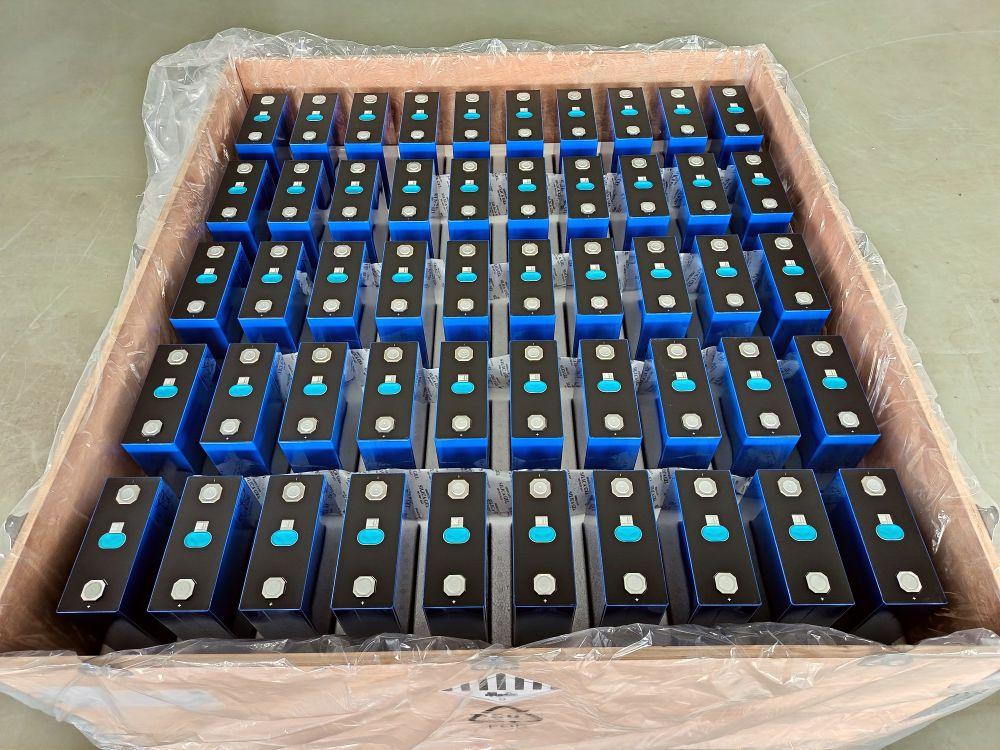
Choosing the right battery is more than a technical step—it’s an investment in performance, safety, and long-term reliability. Whether you’re outfitting an RV, a marine system, a backup power solution, or an off‑grid setup, LiFePO4 (Lithium Iron Phosphate) batteries have emerged as the modern standard for energy storage.
However, not all LiFePO4 batteries are the same. Even when specifications appear similar on paper, real‑world performance can differ significantly. Let’s walk through the key considerations so you can choose the best LiFePO4 battery with confidence.
A LiFePO4 battery is a type of lithium‑ion battery that uses lithium iron phosphate as its cathode material. Compared to other lithium‑ion chemistries (such as NMC or LCO), LiFePO4 offers:
- Extended cycle life (often 3,000–6,000+ cycles)
- High thermal and chemical stability
- Enhanced safety with lower risk of thermal runaway
- Reduced environmental impact
- Stable voltage output
Thanks to these benefits, LiFePO4 batteries are widely adopted in RV and marine systems, solar storage, camping setups, and backup power applications.
Before making a purchase, it’s important to understand the core specifications that define LiFePO4 performance.
1. Capacity (Ah / Wh)
Capacity indicates how much energy the battery can store and deliver.
- Measured in ampere‑hours (Ah) or watt‑hours (Wh)
- Higher capacity means longer runtime
- Typical usable capacity is about 80% at a 1C discharge rate and 25°C
- Available in sizes from a few Ah to several hundred Ah
2. Voltage (V)
Voltage reflects the electrical potential the battery supplies.
- Nominal voltage per cell: 3.2V
- Fully charged voltage: ~3.65V per cell
- Common system voltages: 12V, 24V, 36V, 48V
- Higher voltages are achieved by connecting cells in series
3. Discharge Rate (C‑Rate)
This indicates how quickly the battery can release stored energy.
- 1C = full discharge in one hour
- Typical LiFePO4 ratings:
– Continuous discharge: up to 3C
– Peak discharge: up to 10C (for short bursts)
4. Size and Form Factor
LiFePO4 cells are available in cylindrical, prismatic, and pouch designs to suit different installation requirements.
Selecting the best battery involves matching it to your power demands and expected runtime.
Step 1: Calculate Required Capacity
Formula:
Required Capacity (Ah) = Energy Requirement (Wh) ÷ Nominal Voltage (V)
Example: A 100W device running for 10 hours requires:
Energy = 100W × 10h = 1000Wh
For a 12V system:
Required capacity ≈ 83Ah
Step 2: Determine System Voltage
Your system voltage must match your equipment needs while staying within safe current limits. Since each LiFePO4 cell is 3.2V, system voltage should be a multiple of this value.
Step 3: Configure Series and Parallel Connections
- Series (S) increases voltage
- Parallel (P) increases capacity
Example: Using 10Ah, 3.2V cells to achieve ~90Ah at 12V:
4S (for ~12.8V)
9P (for ~90Ah)
Beyond specifications, several practical aspects influence real‑world performance.
- Quality and Certifications
High‑quality batteries use Grade A cells, precision manufacturing, and rigorous testing. Look for certifications such as CE, UN38.3, IEC, and UL where applicable.
- Warranty and Lifespan
Reliable LiFePO4 batteries typically offer:
– 5–10 year warranties
– Guaranteed cycle life (often 3,000+ cycles at 80% depth of discharge)
- Price vs. Long‑Term Value
Although LiFePO4 batteries may have a higher upfront cost than lead‑acid alternatives, their total cost of ownership is lower due to longer lifespan, higher usable capacity, minimal maintenance, and better efficiency.
- System Compatibility
Ensure the battery is compatible with your inverter, charger, voltage system, BMS (Battery Management System), and connector type.
Choosing the best LiFePO4 battery isn’t about selecting the largest or least expensive option—it’s about finding the right balance of capacity, voltage, quality, and compatibility for your specific application. When chosen wisely, a LiFePO4 battery will deliver years of safe, reliable, and efficient power.
If you’re planning to upgrade your energy system or need personalized guidance, now is an excellent time to explore the options tailored to your needs.
Previous:Welion's Solid State Battery Achieves 824 Wh/kg Energy Density In Lab, Aims 1000 Wh/kg