Lithium Iron Phosphate (LiFePO4) batteries, commonly referred to as LFP batteries, have gained widespread traction across sectors such as automotive and renewable energy, thanks to their remarkable longevity, robust safety profile, and environmental friendliness. As an energy storage medium, they provide a clear edge over alternative lithium-ion chemistries and conventional lead-acid batteries. The following discussion delves into the typical lifespan of LiFePO4 batteries, examines the variables that influence their performance, identifies indicators of wear and tear, and offers guidance on how to prolong their service life.
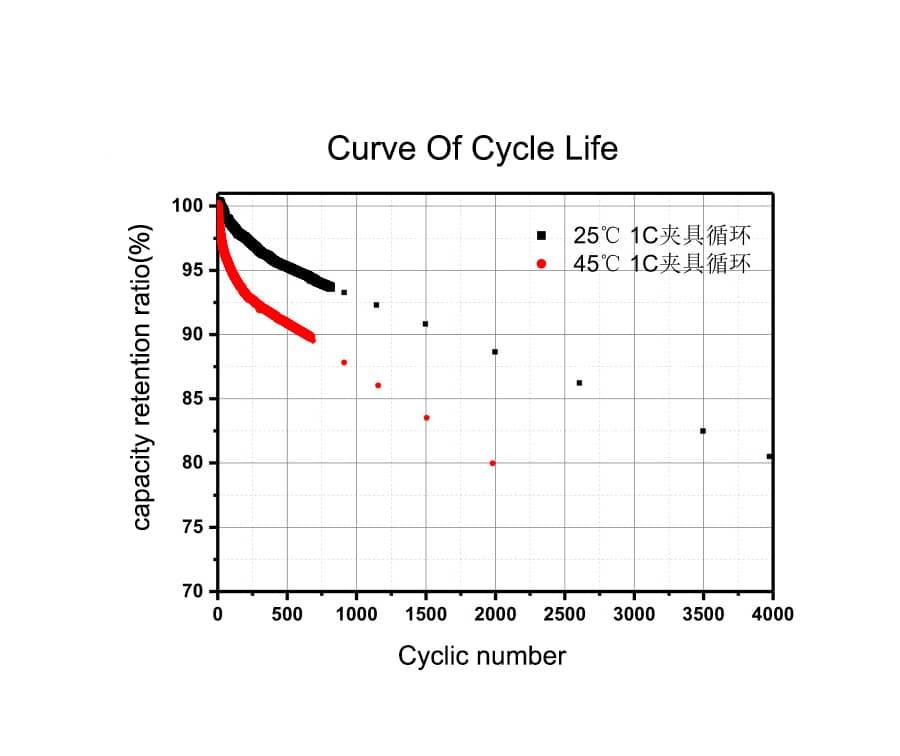
LiFePO4 batteries are esteemed for their resilience and extended cycle life, rendering them especially suitable for applications demanding long-haul dependability. On average, one can expect a LiFePO4 battery to function effectively for 5 to 10 years, contingent upon usage patterns and upkeep. In terms of charge cycles, a standard LiFePO4 unit can deliver anywhere from 2,500 to 9,000 cycles—a figure substantially higher than that of lithium cobalt oxide (LCO) or lead-acid counterparts.
When subjected to proper care and favorable operating conditions, certain LiFePO4 batteries have been known to exceed 10,000 cycles, offering steadfast energy storage for years on end. These batteries are exceptionally well-suited for solar energy installations, electric vehicles (EVs), and backup power systems.
Moreover, LiFePO4 technology stands out for its superior safety and lower environmental impact relative to many other battery types. Attributes such as minimal toxicity, strong thermal resilience, and inherent resistance to overcharging collectively contribute to an extended lifespan and enhanced operational safety when compared with traditional lithium-ion cells.
Despite their reputation for toughness, LiFePO4 batteries are nonetheless subject to several external factors that can shape their useful life. Recognizing these elements empowers users to take preventative measures to safeguard performance and extend durability.
Temperature
Exposure to temperature extremes, whether hot or cold, can markedly affect both the immediate performance and long-term viability of LiFePO4 batteries. While these cells tolerate thermal swings better than many other lithium-ion varieties, sustained high temperatures may hasten chemical degradation, while frigid conditions can raise internal resistance and impair efficiency.
Most LiFePO4 batteries function best within an ambient range of −10°C to 60°C (14°F to 140°F). Operating persistently outside this window raises the likelihood of capacity erosion or outright failure.
Depth of Discharge (DoD)
The Depth of Discharge indicates what proportion of the battery's total capacity is drawn down prior to recharging. Habitually depleting the battery to very low levels (e.g., 80–100% DoD) will tend to curtail its overall service life. For optimal longevity, targeting a discharge window of roughly 20–80% is advisable.
Charge and Discharge Rates
Applying overly aggressive charge or discharge currents can place undue strain on the internal structure of the battery, accelerating the aging process. Fast charging or high-current draws generate excess heat, which in turn can inflict internal harm. Adhering to the manufacturer's guidelines regarding current limits helps mitigate premature wear.
Manufacturing Quality
The intrinsic quality of the battery is among the most decisive determinants of its lifespan. Disparities in raw materials, fabrication methods, and quality assurance can yield noticeable differences in real-world performance. Premium LiFePO4 batteries generally incorporate superior components and sophisticated Battery Management Systems (BMS), thereby bolstering both longevity and safety.
As LiFePO4 batteries progress through their life cycle, certain telltale signs of aging may emerge. Detecting these signals early affords users the opportunity to address issues before performance deteriorates to a critical point.
Capacity Fade
A gradual diminishment in the amount of energy a battery can store is a natural byproduct of aging. Over time, this translates into shorter operating periods between charges. A capacity reduction of around 10% following roughly 3,000 charge cycles is considered standard for LiFePO4 chemistry, though the precise rate of decline hinges on usage conditions and build quality.
Elevated Internal Resistance
With age, a battery's internal resistance tends to climb, resulting in diminished efficiency. This condition causes the battery to produce more waste heat during operation and charging, further compromising performance and accelerating decay. Users might notice the unit becoming warmer than usual under load or while plugged in.
Extended Charging Durations
Should the battery begin taking noticeably longer to reach a full charge, it often signals a drop in effective capacity and may herald the need for replacement in the foreseeable future.
Attentive care and routine maintenance are paramount for maximizing the lifespan of a LiFePO4 battery. The following best practices can help ensure sustained, peak-level performance:
Prevent Overcharging and Excessive Discharge
A fundamental tactic for preserving battery health is to steer clear of both overcharging and deep depletion. Maintaining a state of charge within the 20% to 80% range reduces unnecessary stress on the cell chemistry.
Utilize a Designated LiFePO4 Charger
Always employ a charger engineered specifically for LiFePO4 batteries. Such chargers are calibrated to the precise voltage thresholds and current profiles required by LFP cells, guaranteeing a safe and efficient replenishment process.
Leverage a Battery Management System (BMS)
A Battery Management System (BMS) serves as the battery's guardian, continuously overseeing charge/discharge activity, thermal conditions, and voltage limits. By regulating these parameters, a BMS safeguards against perils such as overcharging, excessive depletion, and thermal overload—all of which can dramatically shorten battery life.
Correct Storage and Upkeep
When placing a LiFePO4 battery in long-term storage, select a cool, moisture-free environment maintained at a moderate temperature (ideally 0 to 25°C / 32 to 77°F). For extended periods of disuse, the battery should be left in a partially charged state (approximately 40–60% of its rated capacity). This practice curtails self-discharge and preserves the cell's integrity.
Consistent Monitoring
Routinely verify the state of charge and stay alert for any emerging signs of aging, such as heightened internal resistance or a noticeable drop in performance. Employing a battery monitoring setup or a dedicated mobile application can greatly assist in tracking the health of your energy storage investment.
Lithium Iron Phosphate (LiFePO4) batteries distinguish themselves through their exceptional cycle life, robust safety characteristics, and positive environmental footprint. By grasping the factors that govern battery longevity and committing to sound maintenance routines, you can secure years of dependable performance from your LiFePO4 power source. Whether deployed in an electric vehicle, a solar energy array, or as a backup power reserve, investing in a high-caliber LiFePO4 battery and treating it with due diligence will yield enduring and reliable energy storage.
Next:Sunwoda Debuts 15C LFP Battery for 9-Minute EV Fast Charging
Previous:Svolt Begins Mass Production of 80 kWh PHEV Battery