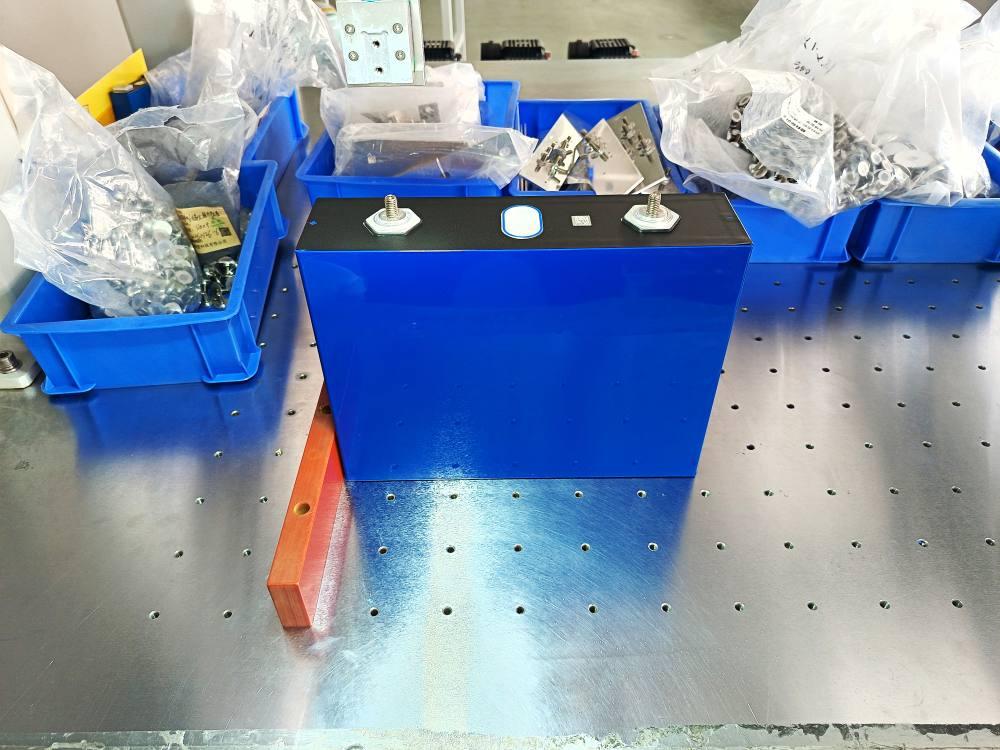
If you’ve been searching for a rechargeable power source and keep coming across the term “LiFePO4 battery,” you’re certainly not the only one. Lithium iron phosphate cells have become one of the most talked-about battery chemistries for everything from solar storage to electric vehicles — largely because they solve problems that have long plagued older lithium technologies.
So how does a LiFePO4 battery really stack up against lithium-ion (Li-ion) and lithium polymer (LiPo) alternatives, and is it the right fit for your project? This guide walks you through the chemistry, the trade-offs, and where each battery type performs best.
A LiFePO4 battery uses lithium iron phosphate as its cathode material, which sets it apart from standard Li-ion cells that typically rely on lithium cobalt oxide. That difference in chemistry is the root cause of nearly every performance gap you’ll notice between the two.
When it comes to energy density, LiPo batteries take the lead. They pack the most power into the smallest space, which is why they dominate the drone and RC vehicle markets. Li-ion sits in the middle, while LiFePO4 trails behind — meaning a LiFePO4 battery will be bulkier for the same capacity.
Safety completely reverses the order. A LiFePO4 battery is widely considered the safest of the three because its chemical structure makes it far more resistant to thermal runaway and overheating. Li-ion and LiPo cells, on the other hand, carry a higher risk of fire or swelling if they’re damaged, punctured, or charged incorrectly.
Cycle life also favors LiFePO4. These batteries can typically handle thousands of charge-discharge cycles, often outlasting both Li-ion and LiPo by a wide margin.
Cost tends to run higher for LiFePO4 batteries compared to Li-ion and LiPo, although that gap is frequently offset by the longer lifespan.
Here’s a quick summary:
- LiPo: best for drones and RC vehicles where weight and size matter most
- LiFePO4: best for electric vehicles and renewable energy storage where safety and longevity come first
- Li-ion: a versatile middle ground used in laptops, smartphones, electric cars, and power tools
Long cycle life. A LiFePO4 battery can last up to 10 times longer than a lead-acid battery, with a typical lifespan reaching several thousand cycles. For applications that go through frequent charge cycles, this translates into significant long-term savings.
High power density. These batteries deliver power quickly and efficiently, making them a strong fit for demanding applications like electric vehicles, power tools, and renewable energy systems.
Excellent thermal stability. Compared to other lithium chemistries, LiFePO4 cells resist thermal runaway and continue performing reliably across a wider temperature range without significant degradation.
Low self-discharge rate. A LiFePO4 battery holds its charge for extended periods without needing a top-up, which makes it ideal for backup power systems and long-term energy storage.
Environmentally friendly. Unlike many other battery types, LiFePO4 cells don’t contain toxic heavy metals such as lead or cadmium, making them a more sustainable choice.
Lower energy density. A LiFePO4 battery stores less energy per unit of size and weight than Li-ion or LiPo alternatives, which can be a drawback when space and weight are critical.
Higher upfront cost. Compared to lead-acid and other lithium-ion chemistries, LiFePO4 batteries generally come with a steeper price tag, though the extended lifespan often improves the long-term value.
Slower charging rate. These batteries typically charge more slowly than other lithium chemistries, something to keep in mind for time-sensitive applications.
Lower nominal voltage. A LiFePO4 battery operates at a lower voltage than standard Li-ion cells, meaning it may not be directly compatible with devices or systems designed for higher-voltage batteries.
There’s no single “best” battery chemistry — the right choice depends entirely on your priorities. If safety, longevity, and stable performance matter most, a LiFePO4 battery is likely your strongest option, especially for solar storage, electric vehicles, or backup power systems. If you need maximum energy density in a compact, lightweight package, LiPo is the better fit for drones and RC applications. For everyday electronics that balance performance, cost, and size, Li-ion remains a solid all-around choice.
Choosing between a LiFePO4 battery, Li-ion, and LiPo ultimately comes down to matching the chemistry to your application’s priorities — whether that’s safety, energy density, cost, or lifespan. Want to explore which battery setup fits your specific project? Check out our related guides on battery sizing and voltage compatibility.
Is a LiFePO4 battery better than a Li-ion battery?
A LiFePO4 battery is generally safer and longer-lasting than a standard Li-ion battery, but it has a lower energy density and is typically bulkier for the same capacity.
How long does a LiFePO4 battery last?
A LiFePO4 battery can last several thousand charge cycles, often up to 10 times longer than a comparable lead-acid battery under similar conditions.
Are LiFePO4 batteries safe?
Yes, LiFePO4 batteries are considered the safest lithium chemistry available, as they’re highly resistant to thermal runaway, swelling, and overheating compared to Li-ion and LiPo cells.
Why are LiFePO4 batteries more expensive?
LiFePO4 batteries cost more upfront due to their materials and manufacturing process, but their significantly longer cycle life often makes them more cost-effective over time.
Welcome to contact us:
Inquire more product details from the: Lithium Ion Battery Suppliers
WhatsApp/Wechat/Mobile: +86 13326321310
Email: info@battery-energy-storage-system.com
Website: www.battery-energy-storage-system.com
Ready to power your energy systems with the best in the industry?
Contact us today to get the latest pricing and discuss your needs with our team!
Next:3.2V 160Ah Winston Battery to Hawaii USA
Previous:Shipment of 3.2V 200Ah Sinopoly LiFePO4 Battery to France