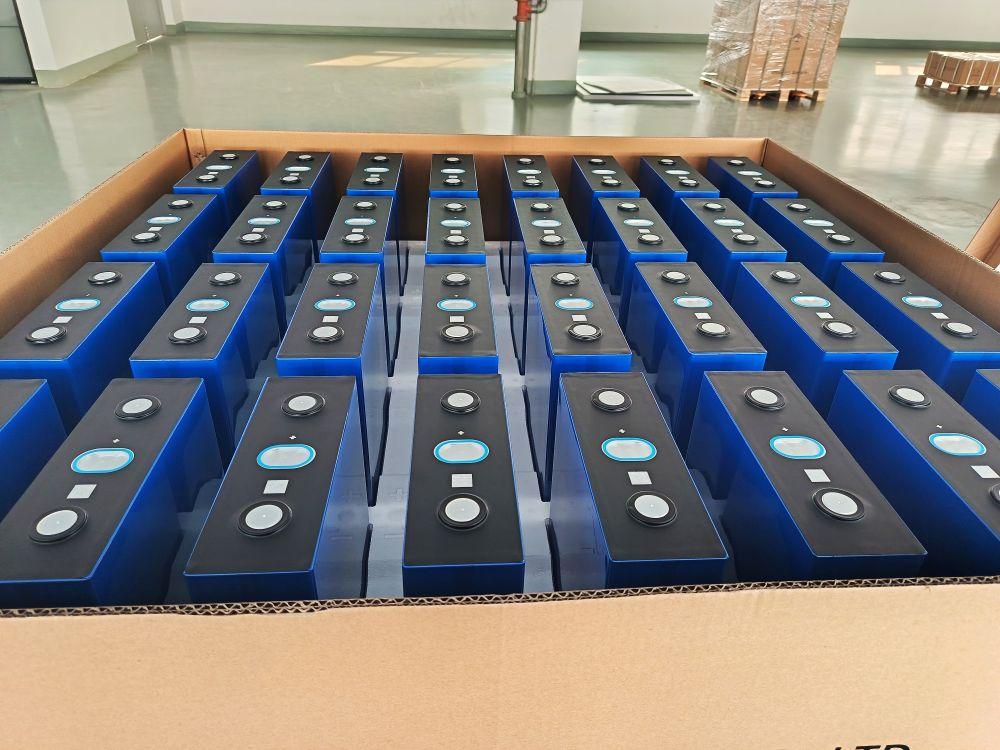
Lithium iron phosphate batteries have earned a reputation for being among the safer lithium-ion options. Marketing materials frequently highlight their thermal stability, long service life, and dependable performance. But what does “safe” actually mean in the context of battery technology? No energy storage device can be called completely risk-free. Still, LiFePO4 chemistry does offer structural and thermal characteristics that set it apart from many other lithium-based systems. To assess the real level of safety, one must look at the chemistry itself, the battery management electronics, the charging environment, and the quality of the overall installation.
Much of the anxiety around lithium batteries stems from widely publicized failures in consumer electronics and electric vehicles. When a phone or laptop battery catches fire, the event often receives disproportionate media attention, creating the impression that such incidents are common. In reality, battery failures are rare statistical outliers, but they are dramatic enough to dominate headlines. Meanwhile, millions of cells operate without incident every single day.
It would be a mistake to dismiss these concerns entirely, but it is equally misleading to treat all lithium chemistries as equally dangerous. Over the past few decades, the industry has made significant progress in electrode materials, separators, electrolytes, cell construction, and protective electronics. The risk profile of a modern LiFePO4 pack is very different from that of older or less stable lithium-based designs.
The central safety advantage of LiFePO4 comes from its cathode material. The phosphate-based olivine structure is exceptionally stable compared with the layered oxide structures used in many other lithium-ion cells. This stability translates into two important practical benefits.
First, the cathode is far less likely to release oxygen when the cell is subjected to high temperatures or electrical abuse. In a thermal runaway event, oxygen release from the cathode can fuel the fire and accelerate the reaction. LiFePO4's chemical structure resists this decomposition pathway much more effectively than many alternatives. This does not mean thermal runaway is impossible; it means the conditions required to trigger it are more extreme and the resulting severity is typically lower.
Second, the phosphate bond is inherently strong and resistant to breakdown under stress. This makes LiFePO4 cells well suited for applications where the battery may experience elevated temperatures, deep cycling, or irregular charging patterns without immediate catastrophic failure.
It is crucial to avoid treating LiFePO4 as an intrinsically “safe” chemistry that requires no further safeguards. A lithium iron phosphate cell can still fail if it is overcharged, deeply discharged, short-circuited, physically punctured, operated outside its temperature window, or manufactured with defects. Poor-quality cells, improper assembly, and the wrong charging equipment can all create dangerous conditions regardless of cathode chemistry.
The safety of a complete battery pack therefore depends on multiple layers working together. Stable chemistry is one layer. Electrical protection is another. Mechanical enclosure design, thermal management, cell matching, and manufacturing consistency are equally important. A LiFePO4 battery is only as safe as its weakest component.
Modern LiFePO4 packs incorporate a battery management system, or BMS, that acts as the primary electronic safeguard. The BMS continuously monitors parameters such as individual cell voltages, pack voltage, charge and discharge currents, and temperature at multiple points. When any parameter moves outside its programmed safe range, the BMS can interrupt the current flow, either by disconnecting the charger or the load.
Cell balancing is another critical function. Over time, individual cells in a series string can drift apart in voltage and state of charge. Without balancing, some cells may be overcharged while others remain undercharged, increasing the risk of damage or failure. A good BMS corrects these imbalances during charging, which not only improves safety but also extends the pack's usable life.
However, a sophisticated BMS cannot rescue a battery built from low-quality cells or one that has been mechanically compromised. It is a safety net, not a substitute for sound design and manufacturing. The most reliable packs combine stable chemistry, high-quality cells, robust electrical connections, appropriate enclosures, and a well-designed BMS as a single integrated system.
No single battery chemistry is best for every application. Different chemistries are optimized for different priorities. NMC (nickel manganese cobalt) batteries, for example, offer higher energy density, which makes them attractive for electric vehicles where weight and space are at a premium. LiFePO4 sacrifices some energy density in exchange for superior cycle life, thermal stability, and tolerance for deeper discharges.
From a safety perspective, LiFePO4 is generally considered more thermally stable than NMC and several other lithium-ion chemistries. That is why it has become a common choice for stationary energy storage, RVs, marine systems, backup power, and industrial equipment, where battery weight is less critical but long-term reliability and safety are paramount.
When compared with lead-acid batteries, LiFePO4 offers a different risk profile rather than an outright safety advantage. Lead-acid batteries can release hydrogen gas during charging and contain corrosive sulfuric acid. LiFePO4 eliminates those specific hazards but introduces requirements for electronic protection and thermal monitoring that lead-acid systems often do not need. The safer option depends on the complete system design, not just the chemistry label.
Even the best-designed LiFePO4 battery will only perform safely if it is used correctly. Before installation, the user should verify that the battery's voltage, capacity, continuous current rating, charging voltage, and temperature limits match the application. The charger must be compatible with LiFePO4 chemistry and the specific pack configuration. Using a charger designed for lead-acid or a different lithium chemistry can easily lead to overcharging or premature failure.
Physical protection is just as important. The battery should be mounted securely, away from sharp edges, excessive heat sources, moisture, and flammable materials. Terminals must be properly insulated, and wiring should be sized appropriately for the maximum expected current. Mixing cells or batteries of different ages, capacities, or internal resistances should be avoided unless the manufacturer explicitly permits it.
For larger installations, additional system-level protection is usually necessary. Fuses, circuit breakers, disconnect switches, thermal sensors, and properly rated enclosures all contribute to overall safety. The battery itself is only one component in a larger electrical system, and that system must be designed as a whole.
The answer depends on how the question is framed. As a chemistry, lithium iron phosphate is indeed one of the more thermally stable and abuse-tolerant lithium-ion options available. Its cathode structure resists the oxygen release that often accelerates thermal runaway in other chemistries, and its long cycle life makes it a practical choice for applications where batteries are expected to operate for many years.
But no battery can be declared completely safe. A LiFePO4 cell still contains a flammable electrolyte and stores a substantial amount of energy. Poor manufacturing, improper charging, physical damage, or a failed BMS can all lead to dangerous outcomes. The real question is not whether the chemistry is “safe” in isolation, but whether the entire system—cells, BMS, enclosure, charger, wiring, and installation—has been designed and operated according to the manufacturer's specifications.
Used correctly, a high-quality LiFePO4 battery offers an excellent safety profile and is widely regarded as a low-risk option compared with many alternatives. The key is to choose equipment from a reputable manufacturer, follow installation and operating instructions carefully, and resist the temptation to assume that any lithium battery—regardless of its chemistry—is automatically fail-safe.
Welcome to contact us:
Inquire more product details from the: Lithium Ion Battery Suppliers
WhatsApp/Wechat/Mobile: +86 13326321310
Email: info@battery-energy-storage-system.com
Website: www.battery-energy-storage-system.com
Ready to power your energy systems with the best in the industry?
Contact us today to get the latest pricing and discuss your needs with our team!
Next:3.2V 100Ah and 200Ah LiFePO4 Batteries Shipped to South Africa
Previous:12.8V 10Ah LiFePO4 Waterproof Batteries Shipped to Dubai