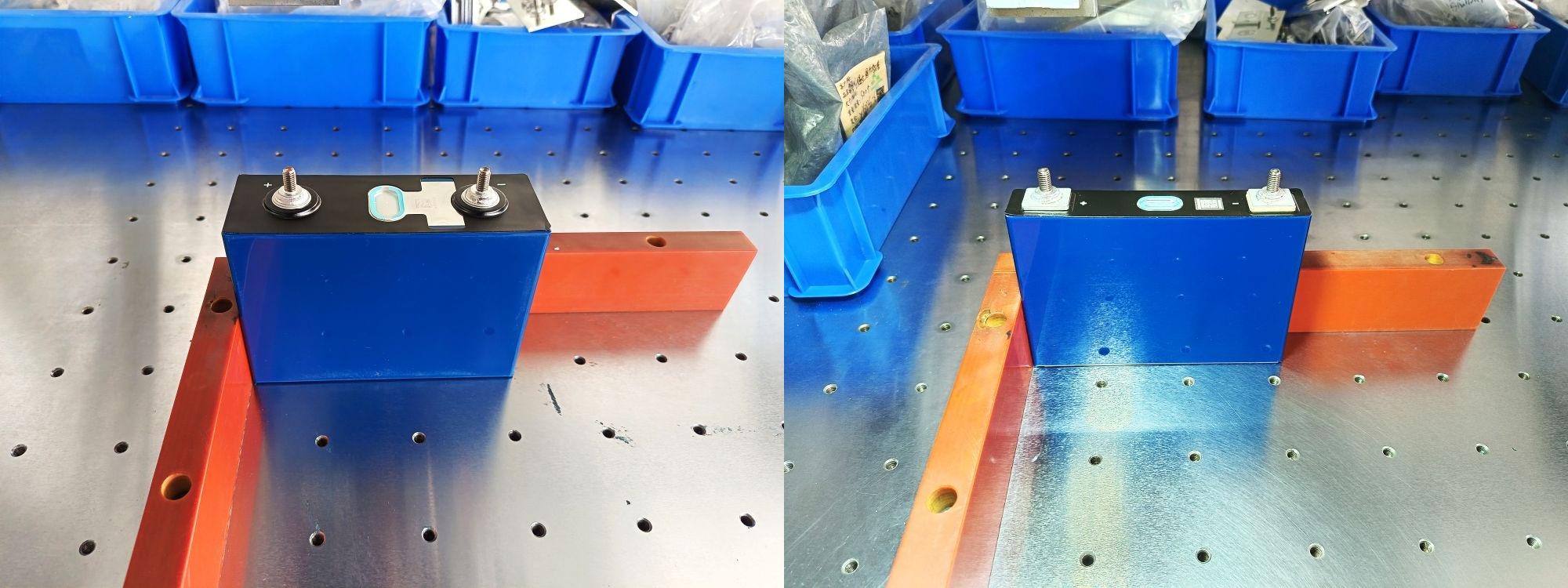
Lithium batteries have become the foundation of modern energy storage, powering everything from electric vehicles (EVs) and renewable energy grids to mobile electronics. While several chemical compositions exist, lithium iron phosphate (LiFePO₄) and ternary lithium (NCM/NCA) have emerged as the dominant technologies. Each possesses distinct advantages, but in terms of safety and thermal resilience, LiFePO₄ is the clear frontrunner.
Lithium Iron Phosphate (LiFePO₄):
- Cathode material: Lithium iron phosphate
- Key characteristic: Robust P–O bond stability
- Decomposition threshold: 700–800 °C
- Capacity (18650 cell): Approximately 2000 mAh
Ternary Lithium (NCM/NCA):
- Cathode materials: Nickel, cobalt, manganese/aluminum blend
- Key characteristic: High energy density
- Decomposition threshold: Approximately 200–300 °C
- Capacity (18650 cell): Up to 3500 mAh
The fundamental trade-off is straightforward: ternary lithium prioritizes higher energy storage capacity at the expense of thermal stability, whereas LiFePO₄ trades off some energy density for exceptional safety and extended cycle life.
1. Exceptional Thermal Stability
The crystalline structure of LiFePO₄ is remarkably stable. The phosphorus-oxygen (P–O) bond is highly resistant to breaking, which prevents the rapid release of oxygen under duress. Even during overcharging or exposure to high temperatures, the cathode material resists structural collapse, drastically lowering the likelihood of fire.
- LiFePO₄ breakdown: Begins above 700 °C
- Ternary lithium breakdown: Begins below 300 °C
This significant gap renders LiFePO₄ batteries highly resistant to thermal runaway—the cascading reaction that typically causes battery fires.
2. Greater Tolerance to Mechanical Damage
In practical applications such as electric vehicles, batteries inevitably encounter impacts, punctures, and external forces.
- Ternary lithium batteries: Vulnerable to separator damage, which can lead to immediate short circuits and uncontrolled heat generation.
- LiFePO₄ batteries: Testing demonstrates that even when pierced or crushed, these cells do not explode or ignite.
This durability explains why LiFePO₄ is the preferred option for electric buses, grid storage stations, and industrial machinery—environments where safety cannot be compromised.
3. Muted Chemical Reactivity
During the charge and discharge cycles:
- Ternary lithium cells tend to release oxygen, which subsequently reacts with the electrolyte to create a highly combustible environment.
- LiFePO₄ cells do not release oxygen, even when under significant stress, thereby eliminating the potential for violent electrolyte interactions.
The absence of oxygen off-gassing is a decisive factor in LiFePO₄'s enhanced safety profile.
- Extended Cycle Life: Capable of over 4,000 cycles at 80% depth of discharge (DOD), equating to a service life of 10–15 years.
- Rapid Recharge Capability: With an appropriate charger, LiFePO₄ can achieve 80% state of charge in approximately 40 minutes (at a 1.5C rate).
- High-Temperature Endurance: Operational resilience up to 350–500 °C.
- Consistent Output: Although nominal per-cell capacity is lower, large-format LiFePO₄ packs deliver steady and reliable energy.
- Environmental Profile: Free of cobalt, non-toxic, and derived from widely available raw materials.
While ternary lithium batteries prevail in consumer electronics and high-performance passenger EVs due to their superior energy density, they come with significant drawbacks:
- Thermal Runaway Risk: Triggered at temperatures as low as 200–250 °C.
- Crash Vulnerability: Elevated risk of explosion during high-impact collisions.
- Reduced Lifespan: Typically limited to 1,000–2,000 cycles.
- Material Costs and Ethics: Heavy reliance on cobalt and nickel introduces both price instability and supply chain ethical concerns.
| Feature | LiFePO₄ Battery | Ternary Lithium Battery |
| Energy Density | Moderate (90–160 Wh/kg) | High (180–260 Wh/kg) |
| Thermal Decomposition | 700–800 °C | 200–300 °C |
| Oxygen Release | No | Yes |
| Cycle Life | 4,000+ cycles | 1,000–2,000 cycles |
| Safety Under Stress | Excellent (no explosion) | Poor (fire/explosion risk) |
| Environmental Impact | Green, non-toxic, cobalt-free | Contains cobalt/nickel, toxic risk |
| Typical Applications | EV buses, energy storage, UPS | EV cars, laptops, smartphones |
While the underlying chemistry is paramount, system-level safety is ultimately ensured through an effective Battery Management System (BMS) . This includes:
- Overcharge Protection
- Over-discharge Protection
- Over-temperature Protection
- Over-current Protection
A robust BMS is essential for the safe operation of both battery types. Nevertheless, due to LiFePO₄'s inherent material stability, the margin for safety is substantially wider, solidifying its position as the ideal choice for large-scale and mission-critical deployments.
When comparing lithium iron phosphate and ternary lithium technologies, the distinction is evident:
- Ternary lithium provides superior energy density, making it suitable for compact devices and passenger EVs where space and weight are premium considerations.
- LiFePO₄ delivers unparalleled safety, durability, and thermal stability, establishing it as the premier option for energy storage systems, heavy-duty transport, and safety-critical infrastructure.
For industries and applications where safety and reliability are the highest priorities, LiFePO₄ remains the definitive choice.
Next:None
Previous:Sunwoda Debuts 15C LFP Battery for 9-Minute EV Fast Charging