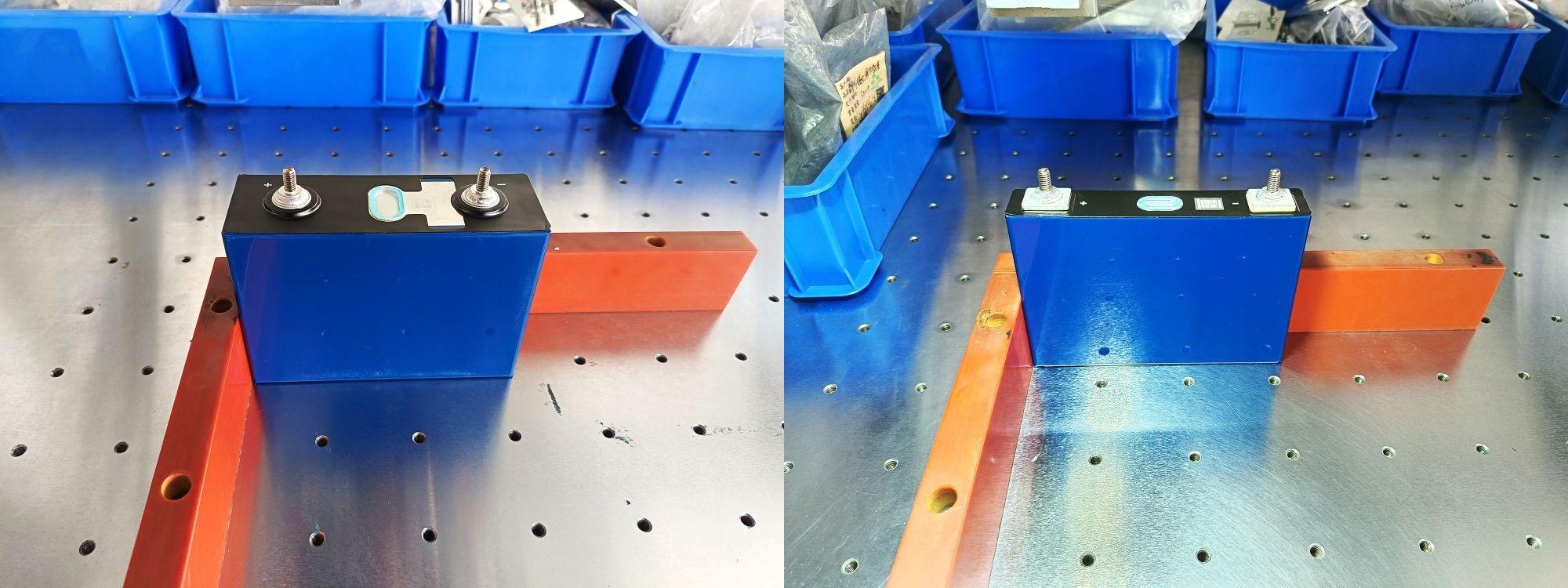
Lithium-based batteries have become the foundation of modern energy storage, driving electric vehicles (EVs), renewable energy systems, and portable electronics. Among the various chemistries available, lithium iron phosphate (LiFePO₄) and ternary lithium (NCM/NCA) are the most prevalent. Each has distinct advantages, but in terms of safety and thermal stability, LiFePO₄ holds a clear edge.
Lithium Iron Phosphate (LiFePO₄):
- Cathode material: lithium iron phosphate
- Key property: highly stable P–O bonds
- Decomposition temperature: 700–800 °C
- Capacity per 18650 cell: approximately 2000 mAh
Ternary Lithium (NCM/NCA):
- Cathode materials: nickel, cobalt, manganese/aluminum
- Key property: high energy density
- Decomposition temperature: roughly 200–300 °C
- Capacity per 18650 cell: up to 3500 mAh
The fundamental trade-off is straightforward: ternary lithium batteries deliver greater energy density but poorer thermal stability, whereas LiFePO₄ trades some energy density for exceptional safety and cycle life.
1. Superior Thermal Stability
LiFePO₄ possesses a remarkably robust crystal structure. The phosphorus–oxygen bond is difficult to break, which prevents rapid oxygen release under stress. Even when overcharged or exposed to high temperatures, the cathode resists structural collapse, substantially reducing fire hazards.
- LiFePO₄ decomposition: begins above 700 °C
- Ternary lithium decomposition: begins below 300 °C
This contrast makes LiFePO₄ cells highly resistant to thermal runaway, the chain reaction that triggers battery fires.
2. Safer Under Mechanical Stress
In practical applications such as EVs, batteries are subjected to collisions, impacts, and external forces.
- Ternary lithium batteries are prone to separator damage, which can lead to short circuits and uncontrolled heat generation.
- LiFePO₄ batteries, even when punctured or crushed, have been shown not to explode or ignite.
This toughness explains why LiFePO₄ is extensively used in electric buses, energy storage stations, and industrial equipment where safety is critical.
3. Controlled Chemical Reactions
During charging and discharging:
- Ternary lithium batteries can release oxygen, which then reacts with the electrolyte, creating a combustible environment.
- LiFePO₄ batteries do not release oxygen, even under abusive conditions, preventing violent reactions with the electrolyte.
The absence of oxygen release is a decisive factor in their improved safety.
- Long Cycle Life: Capable of over 4,000 cycles at 80% depth of discharge, giving a service life of 10–15 years.
- Fast Charging: With a suitable charger, LiFePO₄ can reach an 80% charge in around 40 minutes (1.5C rate).
- High-Temperature Resistance: Functional range up to 350–500 °C.
- Stable Capacity: Although nominal per-cell capacity is lower, large-format LiFePO₄ packs provide consistent energy output.
- Eco-Friendly: Cobalt-free, non-toxic, and manufactured from abundant raw materials.
While ternary lithium batteries dominate consumer electronics and high-performance EVs due to their energy density, they present serious challenges:
- Thermal runaway risk: Can be triggered at temperatures as low as 200–250 °C.
- Crash sensitivity: Higher likelihood of explosion during collisions.
- Shorter cycle life: Typically 1,000–2,000 cycles, restricting lifespan.
- Higher cost materials: Reliance on cobalt and nickel brings both price volatility and ethical concerns.
| Feature | LiFePO₄ Battery | Ternary Lithium Battery |
| Energy Density | Moderate (90–160Wh/kg) | High (180–260Wh/kg) |
| Thermal Decomposition | 700–800°C | 200–300°C |
| Oxygen Release | No | Yes |
| Cycle Life | 4,000+ cycles | 1,000–2,000 cycles |
| Safety Under Mechanical Stress | Excellent (no explosion) | Poor (risk of fire/explosion) |
| Environmental Impact | Green, non-toxic, cobalt-free | Uses cobalt/nickel, toxic risk |
| Common Applications | EV buses, energy storage, UPS | EV cars, laptops, smartphones |
Although cell chemistry is decisive, system-level safety relies on effective BMS integration:
- Overcharge protection
- Over-discharge protection
- Over-temperature protection
- Over-current protection
A well-designed BMS helps both ternary and LiFePO₄ batteries operate securely. However, thanks to LiFePO₄’s inherent material stability, it offers a much wider safety margin, making it the preferred option for large-scale and high-risk applications.
When comparing lithium iron phosphate batteries with ternary lithium batteries, the distinction is clear:
- Ternary lithium provides superior energy density, suiting space-constrained devices and performance-focused EVs.
- LiFePO₄ offers unmatched safety, longevity, and thermal stability, making it the leading choice for energy storage, heavy-duty EVs, and safety-critical systems.
For industries that prioritize safety and reliability, LiFePO₄ remains the undisputed winner.
Inquire more product details from the: Lithium Ion Battery Suppliers
WhatsApp/Wechat/Mobile: +86 13326321310
Email: info@battery-energy-storage-system.com
Website: www.battery-energy-storage-system.com
Next:LG Energy Solution Vertech Signs 6 GWh Michigan Battery Storage Deal with DTE Energy
Previous:Hithium Debuts 8-Hour 6.9 MWh Energy Storage System in Australia