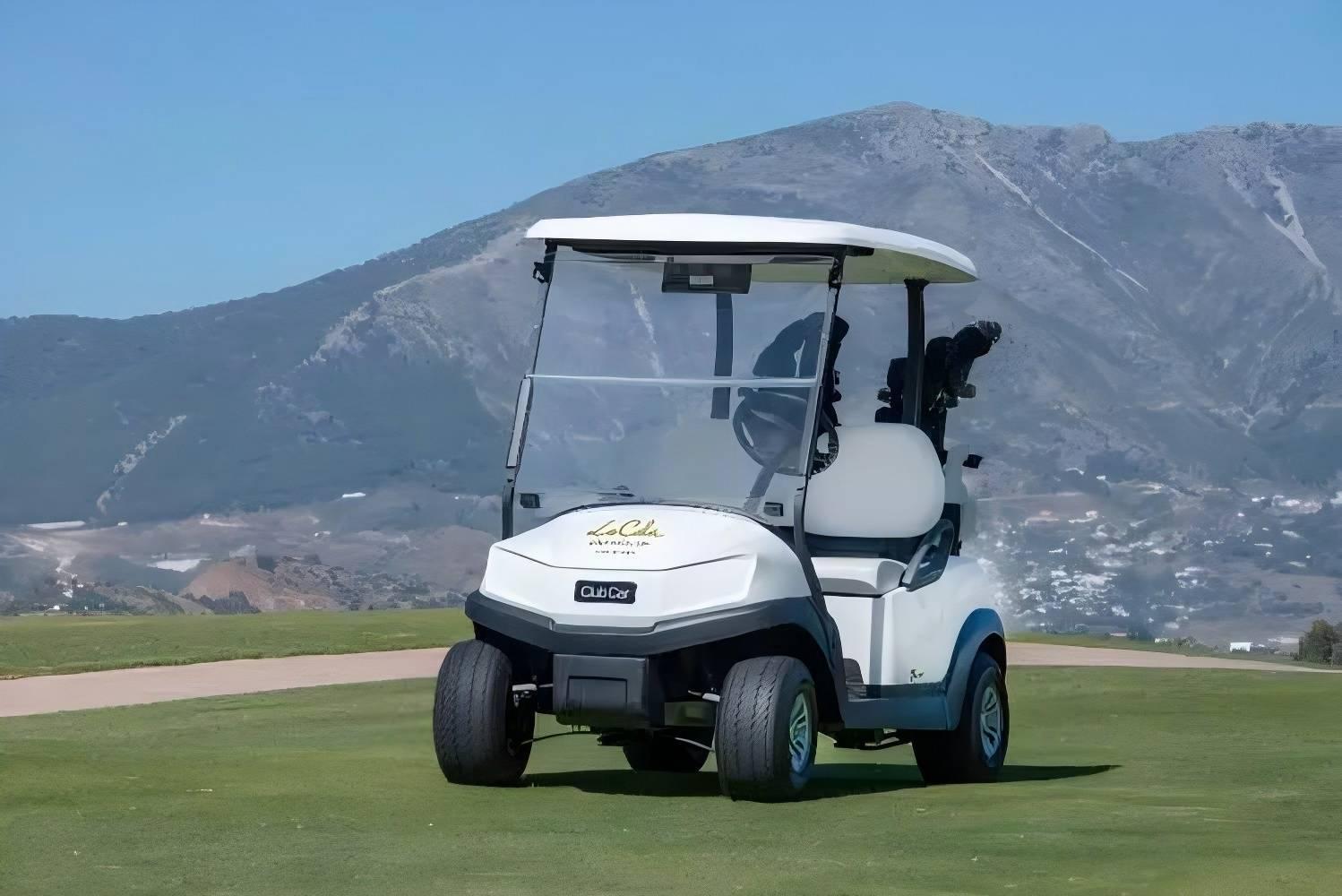
The move from lead-acid to lithium batteries is reshaping how golfers and course managers think about energy efficiency. With 72% of new golf cart buyers now choosing lithium (2023 Golf Cart Industry Report), these advanced power sources deliver exceptional performance, major cost savings, and a lighter environmental footprint. Let’s look at the seven decisive advantages that make lithium LiFePO4 batteries the undisputed leader for today’s golf carts.
1. 10x Longer Lifespan: 3,500+ Cycles for a Decade of Service
Lithium golf cart batteries offer 2,000–5,000 complete charge cycles, completely overshadowing the 300–500 cycles typical of lead-acid. High-end models, such as BESS’s 48V battery, reach 5,000 cycles while retaining 80% capacity, giving you 8–12 years of dependable use.
Cost comparison:
• Lead-acid: $1,200 replacement every 3 years → $4,800 over 12 years
• Lithium: $2,500 one-time investment → 65% savings across the battery’s lifetime
Integrated Battery Management Systems (BMS) protect against overcharging, overheating, and deep discharging.
2. 50% Weight Reduction: Boost Speed and Tackle Any Terrain
A typical 48V lead-acid pack tips the scales at 550–700 lbs, while lithium equivalents like BESS’s 48V unit weigh just 210–250 lbs. This 60% weight cut makes a direct performance difference:
• Speed Boost: 15–22% quicker acceleration (18 mph vs 15 mph in Club Car models)
• Hill Climbing: Handles 25° inclines, compared to only 18° for lead-acid carts
• Turf Protection: Cuts ground pressure by 40% (USGA Green Section data)
3. Military-Grade Fast Charging: 1.5 Hours Instead of 8+
Lithium batteries charge five times faster thanks to refined LiFePO4 technology:
• 0–100% in 90 minutes (versus 8–10 hours for lead-acid)
• Partial charging causes zero cell damage – top up during a lunch break
• 98% charge efficiency compared to lead-acid’s 70–85% (dramatically less energy waste)
4. Zero Voltage Drop: Steady Power on Hills and Through Long Rounds
Lead-acid batteries lose 20–30% of their voltage output when below 50% charge, resulting in sluggish hill performance. Lithium holds a stable 48V output right down to 95% discharge:
• 25% faster hill climbs even at 50% battery level
• No speed loss throughout 36-hole tournaments
• Precision BMS keeps voltage fluctuation within ±1%
5. Zero Maintenance vs Weekly Lead-Acid Chores
Lithium wipes out over 120 hours of annual maintenance:
• No water refilling, terminal scrubbing, or equalization charges
• Automatic cell balancing handled by the smart BMS
• Operates from -40°F to 140°F (lead-acid is limited to 32°F–104°F)
6. Eco-Advantage: Non-Toxic and 95% Recyclable
LiFePO4 batteries slash environmental harm:
• Contain zero lead or corrosive acids – completely safe for course ecosystems
• 30% smaller CO2 footprint during manufacturing (IEEE Sustainability Study)
• Tesla-backed recycling programs recover 92% of materials
7. Hidden Cost Savings: Far Beyond the Battery Price Tag
Making the switch to lithium cuts a range of indirect costs:
• Brake Repairs: 50% longer brake life (thanks to lighter carts)
• Energy Bills: 30% reduction in kWh consumption
• Downtime Costs: Eliminates course delays that can run $75 per hour
1. Compatibility Check: 94% of lead-acid carts built from 2000 onward work with drop-in lithium batteries.
2. Installation: No welding needed – just connect using color-coded terminals in under two hours.
3. Optimization: Use the BESS app to monitor battery health, track charge cycles, and schedule charges.
After replacing 142 lead-acid batteries with BESS 48V lithium units, the resort achieved:
• $217k saved over 3 years (fewer replacements plus lower energy costs)
• 19% increase in cart speed on coastal hills
• 68% drop in maintenance labor expenses
Join the 30,000+ courses and private owners who have already switched to lithium power. Find your perfect 36V, 48V, or 72V battery or Book a Free Golf Cart Audit with our technicians.
Q: Can lithium batteries handle cold weather?
A: Yes. BESS batteries are equipped with self-heating cells and operate at temperatures as low as -22°F (-30°C).
Q: Are lithium golf cart batteries safe?
A: Absolutely. LiFePO4 chemistry is UL-certified, non-flammable, and explosion-proof.
Q: How do I dispose of old batteries?
A: BESS provides free recycling, and we cover all shipping costs.
Inquire more product details from the: Lithium Ion Battery Suppliers
WhatsApp/Wechat/Mobile: +86 13326321310
Email: info@battery-energy-storage-system.com
Website: www.battery-energy-storage-system.com
Next:Svolt Will Start Mass Production of Hybrid Solid-Liquid Batteries in September
Previous:Gotion Debuts Gnascent Sodium Ion Batteries with GW Scale Production