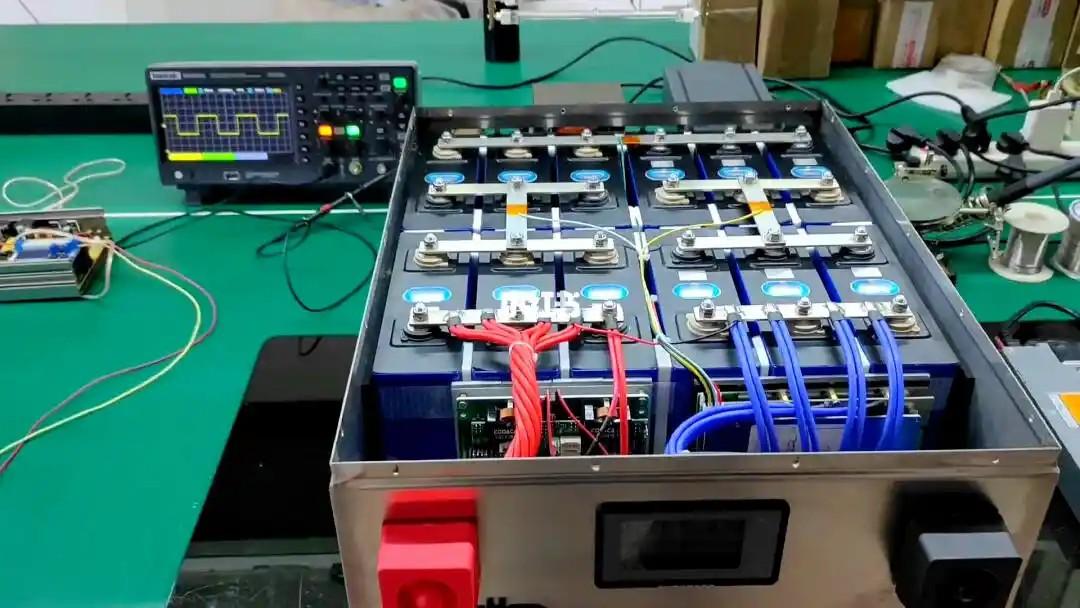
Mixing different LiFePO4 batteries in a single pack might seem like an easy fix, but it’s generally not a good idea. While it may appear convenient or cost-effective, combining batteries that don’t match in size, type, brand, or even age often creates more problems than it solves. Let’s take a closer look at why that’s the case and what issues you could run into if you go down this path.
Think of a battery pack like a team working together. If some team members are stronger or faster than others, the overall performance suffers—because the stronger ones have to slow down to match the weaker ones. The same thing happens with batteries. When you mix batteries that aren’t identical, the entire pack will perform at the level of the weakest battery. This can lead to inconsistent output, lower efficiency, and even safety risks like leaks or, in extreme cases, battery failure.
Discharge Performance: How a battery discharges its power is critical. If you combine batteries with different voltages, capacities, or types, the weaker ones will hold back the stronger ones. For instance, a battery with lower capacity will drain faster, pulling down the overall performance of the pack. This imbalance can cause some batteries to over-discharge, potentially damaging them or leading to leaks.
Voltage Differences: Batteries with different voltages won’t discharge evenly. The higher-voltage batteries will be forced to lower their output to match the weaker ones, putting unnecessary strain on them and possibly causing damage.
Capacity Mismatch: Mixing batteries with different capacities means the smaller ones will drain more quickly, creating an imbalance. This can result in one or more batteries being overworked, which may damage the entire pack.
Different Shapes and Types: LiFePO4 batteries come in various shapes, such as cylindrical or prismatic, and each type has its own characteristics. Mixing different shapes can lead to inconsistent performance because the batteries are built differently. This can cause uneven load distribution, which isn’t ideal for the long-term health of your battery pack.
Mixing Battery Chemistries: Never mix LiFePO4 batteries with other types like nickel-metal hydride, lead-acid, or different lithium-ion chemistries. Each type has its own voltage, capacity, and safety characteristics. Combining them can create serious safety risks, such as short circuits or thermal runaway, where the battery overheats and potentially catches fire.
Brand Differences: Even if two batteries have the same voltage and capacity, differences between brands can still cause issues. Different brands may use slightly different manufacturing processes or materials, leading to subtle variations in performance. Over time, these differences can cause one battery to wear out faster than the others, throwing the whole pack off balance.
Age and Usage History: Batteries degrade over time, and older ones simply can’t keep up with new ones. Mixing old and new batteries can result in the older ones being overworked, which accelerates their decline and affects the overall performance of your battery pack. Ideally, all batteries in a pack should be roughly the same age and have similar usage histories.
Charging a mix of different LiFePO4 batteries is just as tricky as discharging them. When you charge batteries with different characteristics together, they won’t charge evenly. Some may become overcharged while others remain undercharged, reducing the overall efficiency of the pack and potentially causing damage.
Parallel Charging with Different Capacities: One exception is that LiFePO4 batteries with different capacities but the same voltage can sometimes be charged together in parallel. They will eventually balance out, similar to how two connected water tanks will fill evenly even if one is larger. But even in this case, it’s better to stick with batteries of the same capacity to avoid potential issues.
If you decide to mix different LiFePO4 batteries, you’ll likely end up with a pack that doesn’t meet your expectations. The stronger batteries will be held back by the weaker ones, leading to several problems:
Performance Decline: Over time, the differences between the batteries will become more pronounced. The stronger batteries will degrade faster because they’re compensating for the weaker ones. This means your battery pack won’t last as long as it could.
BMS Issues: The Battery Management System (BMS) is designed to monitor and protect your battery pack. But if the batteries aren’t uniform, the BMS may struggle to do its job effectively. It might fail to detect issues like over-discharge, leading to potential safety hazards.
Increased Risk of Damage: As the differences between the batteries grow, so does the risk of over-discharge or overcharge, which can cause damage, leaks, or other safety concerns. Additionally, the inconsistent output from the battery pack could harm your devices.
In short, mixing different LiFePO4 batteries isn’t worth the risk. To get the best performance and safety from your battery pack, use batteries that are identical in every way—same shape, type, brand, capacity, voltage, and age. By following this guideline, you’ll help ensure your battery pack operates efficiently, safely, and for a long time.
Next:SAMSUNG SDI Signs LFP Cathode Material Supply Agreement with L&F for US ESS Growth
Previous:BAIC Unveils Prismatic Sodium Ion Battery Breakthrough