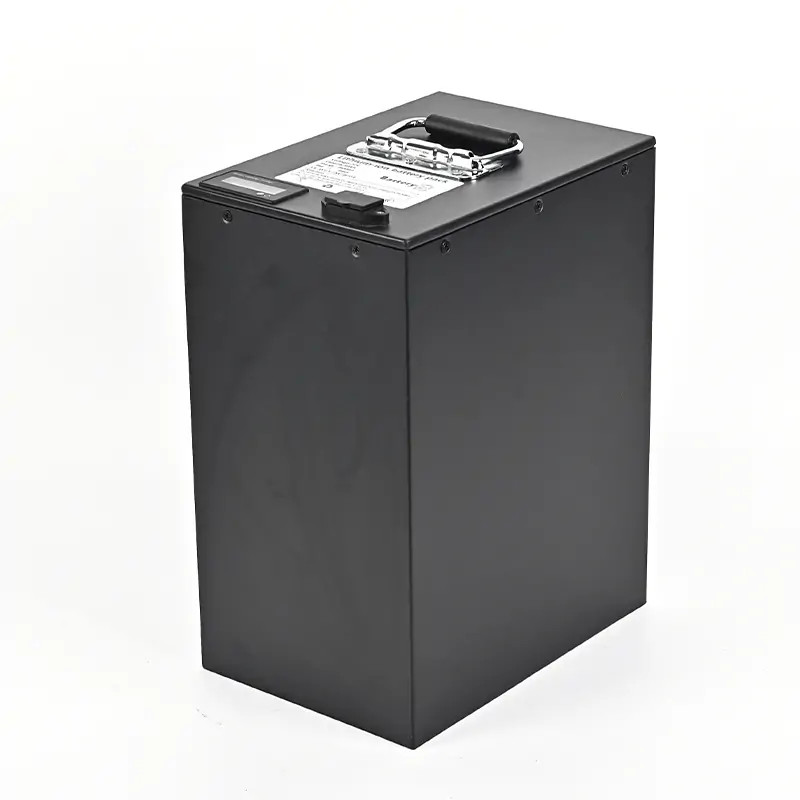
A motorcycle battery is a vital part of your bike’s electrical system. Although many riders associate the battery only with starting the engine, its function extends far beyond ignition. A dependable motorcycle battery supplies power to essential electrical components, including headlights, indicators, horns, fuel injection systems, digital dashboards, security systems, and advanced electronic features found on modern motorcycles.
Choosing an unsuitable battery can result in slow starts, unstable electrical performance, reduced efficiency, and unexpected breakdowns. In contrast, selecting a high-quality motorcycle battery helps ensure consistent power delivery, longer service life, and a more reliable riding experience.
Whether you ride a daily commuter motorcycle, touring bike, sportbike, cruiser, or off-road model, understanding the key factors behind battery selection will help you find the right option for your needs.
Selecting the best motorcycle battery involves more than simply choosing one that fits the battery compartment. Several factors determine whether a battery can provide dependable performance for your specific motorcycle.
Compatibility is the first and most important consideration when replacing a motorcycle battery. Each motorcycle has specific requirements based on its electrical system, engine size, and design.
Before purchasing a new battery, check the following:
· Motorcycle make and model
· Battery dimensions
· Terminal location and layout
· Voltage requirements
· Manufacturer-recommended battery specifications
Most motorcycles use 12V batteries, but battery size, capacity, and performance requirements can vary greatly between different models. Installing an incompatible battery may create installation difficulties or even damage the motorcycle’s electrical system.
Always consult your motorcycle owner’s manual or check the original battery specifications to ensure the replacement battery is a proper match.
Motorcycle batteries are available in several technologies, each offering different benefits depending on riding conditions, budget, and performance expectations.
Traditional flooded lead-acid batteries are among the most affordable and widely used motorcycle battery options. These batteries contain liquid electrolyte and require regular maintenance.
Advantages:
· Lower upfront cost
· Easy availability
· Reliable performance when properly maintained
Disadvantages:
· Requires electrolyte level inspections
· Needs regular maintenance
· Risk of leakage if damaged
· Heavier compared with newer battery technologies
Lead-acid batteries remain a practical choice for budget-conscious riders and older motorcycle models.
Maintenance-free batteries, including sealed lead-acid (SLA), AGM (Absorbent Glass Mat), and gel batteries, are designed to provide easier ownership with less routine maintenance.
Key benefits include:
· No need to add water
· Lower risk of leakage
· Improved resistance to vibration
· Better storage performance
AGM motorcycle batteries are especially popular because they provide strong starting power, excellent durability, and better reliability compared with traditional flooded batteries.
Lithium motorcycle batteries, particularly lithium iron phosphate (LiFePO4) batteries, have gained popularity among performance-focused riders due to their lightweight design and advanced performance characteristics.
Advantages:
· Extremely lightweight construction
· Higher energy density
· Low self-discharge rate
· Longer cycle life
· Faster charging capability
Although lithium batteries generally have a higher purchase price, their extended lifespan and improved performance can make them a worthwhile long-term investment.
When choosing a motorcycle battery, understanding capacity and Cold Cranking Amps (CCA) is essential.
Battery capacity refers to the amount of electrical energy a battery can store and is usually measured in amp-hours (Ah).
A higher-capacity battery can:
· Support electrical accessories for longer periods
· Deliver more stable power output
· Perform better during extended usage
However, selecting a battery with a higher capacity does not always mean better performance. The battery must still match the motorcycle’s electrical system requirements.
CCA measures how much power a battery can deliver when starting an engine under cold conditions.
A higher CCA rating provides:
· Faster engine starts
· Improved cold-weather performance
· More reliable ignition
For motorcycles used in colder climates or equipped with larger engines, choosing a battery with an appropriate CCA rating is especially important.
The motorcycle battery market includes many manufacturers, but product quality can differ significantly. Choosing a reliable battery brand can help reduce the risk of premature failure and improve long-term performance.
A reputable motorcycle battery manufacturer usually offers:
· Strict quality control processes
· Advanced production technology
· High-quality internal components
· Longer operating life
· Reliable customer support
Before purchasing, review customer feedback, product testing information, and warranty terms. Spending slightly more on a quality battery can often reduce replacement costs over time.
A battery warranty reflects the manufacturer’s confidence in its product. In many cases, a longer warranty period indicates stronger quality control and better durability.
When comparing motorcycle batteries, consider:
· Warranty length
· Replacement policies
· Customer support availability
· Manufacturer reputation
A dependable warranty provides additional protection and peace of mind, especially when purchasing premium battery technologies.
Motorcycles operate in challenging environments. Compared with car batteries, motorcycle batteries are exposed to continuous vibration, temperature changes, and outdoor conditions.
A durable motorcycle battery should offer:
· Strong vibration resistance
· Heat resistance
· Leakage protection
· Stable performance in harsh environments
AGM and lithium motorcycle batteries often perform well in these conditions due to their sealed structures and advanced designs.
For adventure motorcycles, off-road bikes, and touring motorcycles, durability should be one of the most important selection criteria.
Different battery technologies require different levels of maintenance.
For riders who prefer a convenient, low-maintenance option, consider:
· AGM batteries
· Gel batteries
· Lithium motorcycle batteries
These battery types require minimal maintenance and are well suited for daily riding.
Traditional flooded lead-acid batteries may have a lower purchase price but require:
· Regular electrolyte inspections
· Terminal cleaning
· Proper charging
· Additional care during long storage periods
Regardless of battery type, proper maintenance plays a major role in extending battery life.
Proper battery care can improve performance, extend lifespan, and help prevent unexpected failures.
Corrosion on battery terminals can reduce electrical conductivity and cause starting problems.
Regularly:
· Inspect battery terminals
· Clean corrosion buildup
· Ensure connections remain secure
Motorcycles are often stored during winter or periods of inactivity. Leaving a battery discharged for too long can cause permanent damage.
Using a smart motorcycle battery charger or maintainer helps keep the battery at an optimal charge level during storage.
For extended motorcycle storage:
· Keep the battery in a dry environment
· Avoid extreme temperatures
· Disconnect the battery when necessary
· Maintain an appropriate charge level
Proper storage conditions can significantly improve battery durability.
The service life of a motorcycle battery depends on several factors, including battery technology, riding habits, climate conditions, and maintenance practices.
Typical lifespan estimates include:
· Conventional lead-acid batteries: 1–3 years
· AGM batteries: 3–5 years
· Lithium motorcycle batteries: 5 years or longer with proper care
Frequent short-distance riding, extreme temperatures, and insufficient maintenance can reduce battery lifespan.
Selecting the right motorcycle battery is essential for dependable starting power, stable electrical performance, and a better overall riding experience.
Before making a purchase, consider:
· Motorcycle compatibility
· Battery technology
· Capacity and CCA rating
· Brand reputation
· Warranty coverage
· Durability
· Maintenance requirements
A high-quality motorcycle battery is an investment in reliability and safety. By choosing the correct battery and maintaining it properly, riders can enjoy stronger performance and fewer unexpected issues on the road.
Whether you choose a traditional lead-acid battery, an AGM battery, or an advanced lithium motorcycle battery, the right choice will ensure your motorcycle always has the power it needs whenever you are ready to ride.
Welcome to contact us:
Inquire more product details from the: Lithium Ion Battery Suppliers
WhatsApp/Wechat/Mobile: +86 13326321310
Email: info@battery-energy-storage-system.com
Website: www.battery-energy-storage-system.com
Ready to power your energy systems with the best in the industry?
Contact us today to get the latest pricing and discuss your needs with our team!
Next:None
Previous:20 pcs CALB L173F230 230Ah LiFePO4 Cells Shipped to Guadeloupe