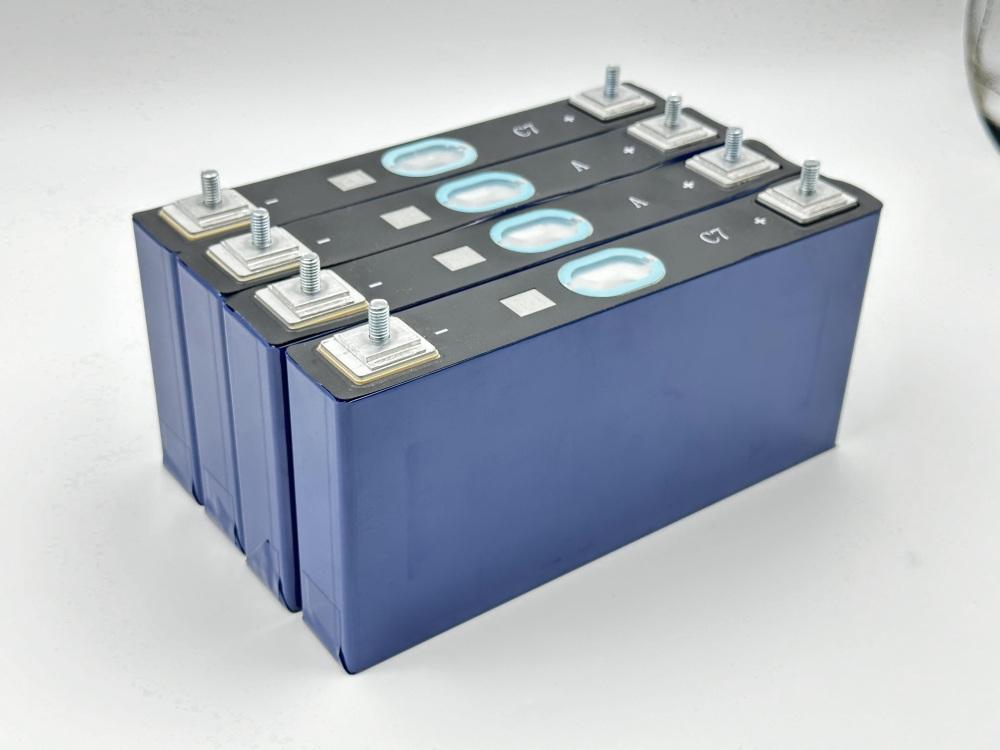
For mission-critical industrial test and measurement apparatus—spanning precision medical imaging systems, robotic calibration stations, and automated production line test rigs—the choice of lithium battery chemistry is a fundamental engineering decision rather than a mere component specification. This selection governs system uptime, long-range maintenance expenditure, facility operational safety, and measurement consistency under the most rigorous field conditions. Within the industrial sector, two lithium-ion variants prevail: Nickel Manganese Cobalt (NMC) and Lithium Iron Phosphate (LiFePO4, or LFP). Each presents a distinct profile of performance trade-offs engineered for specific operational demands.
In stark contrast to consumer electronics, industrial test instrumentation imposes non-negotiable operational demands: sustained reliability, negligible unscheduled downtime, adherence to stringent industrial safety protocols, and resilience against fluctuating environmental conditions. Consequently, the assessment of battery chemistry transcends a simple procurement checklist, evolving into a strategic operational choice with profound implications for both immediate performance and the total lifecycle cost of the asset.
Safety constitutes the primary imperative for industrial test gear, where a battery anomaly can precipitate extensive hardware damage, facility shutdowns, or active workplace hazards. The inherent olivine crystalline architecture of LiFePO4 confers remarkable thermal and chemical fortitude. Its threshold for thermal runaway resides at approximately 270°C—a significant 70°C margin above the layered oxide structure of NMC, which initiates decomposition and oxygen release near 200°C. In practical terms, this yields a substantially diminished probability of combustion, cascading thermal failure, or explosive events, even when subjected to mechanical stress, electrical overcharge, or internal short circuits. Conversely, NMC chemistries necessitate more comprehensive protective circuitry and engineering oversight in industrial deployments due to elevated fire risk profiles under abusive conditions.
Given that industrial test equipment frequently operates on a near-perpetual basis, cycle durability directly governs the frequency of battery replacement and associated lifecycle costs. LiFePO4 cells routinely achieve rated lifespans ranging from 2,000 to exceeding 5,000 complete charge-discharge cycles, preserving 80% of initial rated capacity at this endpoint. In comparison, NMC cells generally yield between 1,000 and 2,000 full cycles prior to encountering notable capacity degradation. Within 24/7 operational cadences, this differential enables LiFePO4 power sources to deliver a functional service life two to three times greater than their NMC counterparts, thereby curtailing scheduled maintenance intervals and equipment unavailability.
Energy density serves as the critical delimiter for compact, portable instrumentation. NMC batteries furnish considerably superior gravimetric energy density, typically spanning 150 to 250 Wh/kg, relative to the 90 to 120 Wh/kg range characteristic of LiFePO4. This attribute positions NMC favorably for handheld diagnostic apparatus or portable test modules where volumetric and mass constraints dominate the design envelope. Nevertheless, LiFePO4 distinguishes itself through markedly stable voltage delivery across the entirety of its discharge profile. This characteristic mitigates the voltage droop that can introduce measurement artifacts or disrupt precision calibration routines, maintaining signal integrity even as the cell approaches depletion.
While NMC batteries frequently present a lower upfront acquisition expenditure, LiFePO4 demonstrates superior long-term fiscal prudence in industrial contexts. The extended cycle durability, diminished upkeep demands, and reduced susceptibility to premature failure inherent in LiFePO4 chemistry translate into a significantly compressed total cost of ownership over the equipment's operational tenure. The accelerated replacement cadence mandated by NMC, coupled with more rigorous safety monitoring and maintenance protocols, amplifies aggregate lifecycle costs irrespective of a more modest initial investment.
Industrial test settings routinely subject hardware to thermal extremes, sustained mechanical oscillation, and variable input power quality. LiFePO4 batteries exhibit superior capacity retention and operational stability under such duress relative to NMC technologies. Their broader permissible ambient temperature envelope and enhanced resistance to degradation from vibrational wear render them particularly suitable for stationary test stands situated on manufacturing floors, process control enclosures, or exposed outdoor evaluation sites.
LiFePO4 chemistry supports a more ethically grounded and ecologically sustainable material supply chain by virtue of being entirely cobalt-free. Cobalt extraction is widely associated with adverse environmental impacts and documented social governance challenges within global mining sectors. NMC formulations, conversely, entail exposure to cobalt market volatility and associated reputational liabilities. The iron-phosphate foundation of LFP facilitates lower-impact sourcing methodologies and streamlines end-of-life recycling processes.
- LiFePO4 (LFP): Represents the premier selection for stationary, high-utilization industrial test platforms. This includes factory automation validation rigs, continuous infrastructure monitoring stations, and any application wherein uncompromising safety, extended service intervals, and unwavering output are paramount.
- NMC: Optimally suited for portable, form-factor-constrained test devices. This encompasses handheld diagnostic instruments, mobile robotic qualification units, and battery-operated medical assessment tools where minimizing mass and volumetric footprint is the overriding design requirement.
For the preponderance of high-intensity, continuously operating industrial test systems, LiFePO4 batteries provide an unparalleled synthesis of intrinsic safety, prolonged operational longevity, consistent electrical performance, and minimal total cost of ownership. Although NMC batteries demonstrate utility in weight-sensitive portable applications, their truncated service life, heightened thermal risk profile, and escalated lifetime expense render them a less compelling option for fixed, heavy-duty industrial instrumentation. The definitive chemistry selection ultimately hinges on a rigorous alignment of battery performance attributes with the essential operational priorities governing the specific test apparatus and its deployment context.
Inquire more product details from the: Lithium Ion Battery Suppliers
WhatsApp/Wechat/Mobile: +86 13326321310
Email: info@battery-energy-storage-system.com
Website: www.battery-energy-storage-system.com
Next:CATL Slated to Mass Produce Sodium Ion Batteries Globally by 2026
Previous:CATL Unveils 3rd Gen Shenxing LFP Battery with Ultra Fast Charging