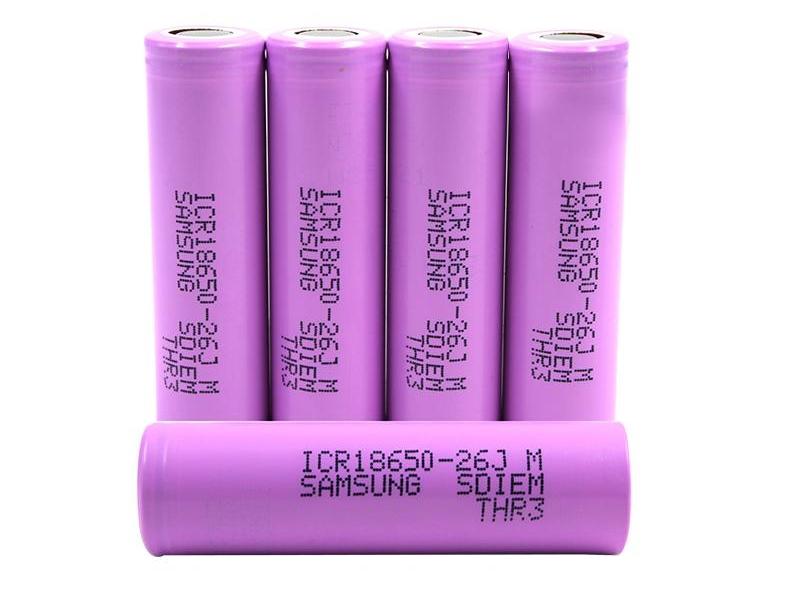
18650 batteries are the workhorses of the rechargeable lithium-ion world, powering everything from flashlights and power tools to laptops and electric vehicles. Grasping the concept of 18650 battery voltage is crucial, as it directly affects performance, longevity, and safety. Whether you're charging, using, or storing your battery, operating within the correct voltage range is key to maximizing efficiency and preventing damage.
The voltage of an 18650 cell is typically higher than that of older nickel-cadmium (NiCd) or nickel-metal hydride (NiMH) batteries. While NiCd/NiMH cells operate around 1.2V, most 18650 lithium-ion cells have a 3.6V or 3.7V nominal voltage.
There are three primary voltage parameters you need to know:
1. Nominal Voltage
This is the standard or average working voltage. For a typical 18650 cell, it's 3.7V. Some manufacturers may rate theirs at 3.6V—a minor difference often based on design.
2. Maximum Charging Voltage
The absolute charging limit for a standard 18650 is 4.2V. Once the battery reaches this voltage, it is fully charged. Exceeding 4.2V constitutes overcharging, which can cause overheating, swelling, or permanent failure.
3. Discharge Cut-Off Voltage
The lowest safe operating voltage is usually 2.75V. Draining a battery below this point is called over-discharge, which can lead to permanent capacity loss and cell damage.
Not all 18650 batteries are created equal. The cathode material significantly influences voltage characteristics and capacity.
Lithium Cobalt Oxide (LiCoO₂) 18650
Nominal Voltage: 3.7V
Maximum Charging Voltage: 4.20V
Minimum Discharge Voltage: 2.75V
Typical Capacity: ≥1000mAh
Lithium Iron Phosphate (LiFePO₄) 18650
Nominal Voltage: 3.2V
Maximum Charging Voltage: 3.6V
Minimum Discharge Voltage: 2.0V
Typical Capacity: ~1500mAh. While lower capacity than LiCoO₂, these cells offer a longer cycle life and superior thermal stability.
| State of Charge (%) | Voltage (V) |
| 0% | 2.5 |
| 10% | 3.0 |
| 20% | 3.2 |
| 30% | 3.4 |
| 40% | 3.5 |
| 50% | 3.6 |
| 60% | 3.7 |
| 70% | 3.8 |
| 80% | 3.9 |
| 90% | 4.0 |
| 100% | 4.2 |
Note: This chart is a general reference. Actual voltages can vary slightly based on load, temperature, and specific battery chemistry.
Here’s a quick summary of the key voltage levels:
Nominal Voltage: ~3.7V (average during use)
Fully Charged: ~4.2V
Fully Discharged: ~3.0V (sometimes as low as 2.5V, per manufacturer specs)
Typical Operating Range: 3.0V to 4.2V
Staying within this range is essential for prolonging battery life and ensuring safe operation.
Low voltage occurs when a battery's charge drops below 3.0V per cell. Continuing to use it past this point leads to over-discharge, which can:
Permanently reduce capacity
Increase internal resistance
Cause irreversible chemical changes
Prevention Tips:
Use a LiPo voltage checker, multimeter, or voltage alarm.
Recharge batteries before they reach critically low voltage levels.
Avoid deep discharges whenever possible.
Several elements influence the voltage you'll read:
State of Charge (SOC): Higher charge means higher voltage.
Load: Heavy loads cause a faster voltage drop.
Temperature: Cold reduces voltage; heat increases it slightly.
Battery Chemistry: Li-ion, LiPo, and LiFePO₄ have distinct voltage profiles.
Internal Resistance: Higher resistance leads to a greater voltage drop under load.
Age & Cycle Life: Older batteries exhibit lower capacity and less stable voltage.
Charge/Discharge Rate: Fast charging can cause voltage spikes; fast discharging can cause sharp drops.
A solid understanding of 18650 battery voltage is fundamental for safe handling, optimal performance, and long-term reliability. Always charge within recommended limits, avoid deep discharges, and monitor voltage regularly. Whether you're using LiCoO₂ or LiFePO₄ cells, proper voltage management is the key to years of dependable service versus a prematurely failed battery.
Q1: How does temperature affect voltage?
Cold temperatures reduce voltage, while heat increases it slightly.
Q2: Why does voltage drop under heavy load?
The drop is due to the battery's internal resistance.
Q3: Can over-discharging harm a battery?
Yes, it causes irreversible chemical damage and capacity loss.
Q4: What’s the safe voltage range for use?
From 4.2V (full) down to about 3.0V (empty).
Q5: How often should I monitor voltage?
Regularly—especially during high-load use or charging cycles.
Q6: Why avoid over-discharge?
To preserve the battery's lifespan, prevent capacity loss, and maintain safety.
Next:None
Previous:Gotion Begins Delivering Unified Battery Cells to Multiple VW Platforms