Lithium-ion batteries power a diverse range of applications, from electric vehicles and solar energy storage to portable electronics. However, significant variations exist among lithium-ion batteries in terms of chemistry, performance, and crucially—safety.
In recent years, one type has risen in prominence: the lithium iron phosphate (LiFePO4 or LFP) battery. This battery uses lithium iron phosphate as its cathode material and a graphitic carbon electrode with a metallic backing as the anode.
What sets LiFePO4 batteries apart from other lithium-ion options? And how safe are they really? This article explores the distinctive safety features of LiFePO4 batteries and explains why they are regarded as one of the safest lithium-ion technologies available.
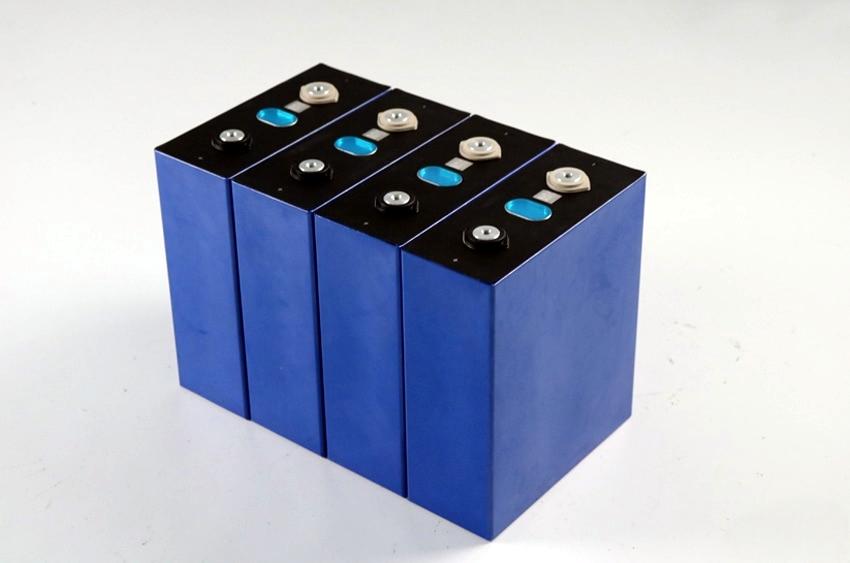
LiFePO4 batteries offer several benefits compared to other lithium-ion batteries:
Cost-Effectiveness: They are generally less expensive because they utilize iron—a more abundant and cheaper material—instead of cobalt or nickel in the cathode. According to industry comparisons, LiFePO4 batteries often offer a favorable energy-to-price ratio.
Enhanced Safety: Their stable chemistry and lower operating temperatures reduce the risk of overheating and fire. Built-in protection circuits also guard against overcharge, over-discharge, short circuits, and physical damage.
Low Environmental Impact: These batteries are non-toxic, contain no hazardous materials, and emit no dangerous fumes, making them more environmentally friendly when properly handled and recycled.
Long Cycle Life: LiFePO4 batteries resist capacity fade from electrolyte breakdown or dendrite formation, enabling a notably long lifespan—typically ranging from several thousand to over 10,000 cycles depending on usage.
High Power Delivery: Thanks to low internal resistance and high discharge rate capability, they can deliver high specific power (around 200 W/kg), making them suitable for applications requiring strong bursts of energy, like electric vehicles.
LiFePO4 chemistry is inherently safer than many other lithium-ion types. Multiple design and material features work together to prevent overheating, fire, explosion, or damage to devices:
Stable Cathode Material: The lithium iron phosphate cathode is structurally stable and does not release oxygen when heated, unlike nickel-based cathodes (e.g., NMC or NCA). This stability greatly reduces the risk of thermal runaway and combustion.
Lower Operating Temperature Range: LiFePO4 batteries operate effectively within a lower temperature range, diminishing overheating risks. While specific ranges vary, they are commonly recommended for use between -20°C (-4°F) and 60°C (140°F), with some variants rated for slightly higher temperatures.
Integrated Protection Systems: A Protection Circuit Module (PCM) or Battery Management System (BMS) is essential. It monitors and controls voltage, current, and temperature, preventing unsafe operation conditions. It also balances cell voltages to extend pack life and prevent damage.
Robust Cell Design: The cells are often housed in a sturdy metal casing, offering resistance to impacts, punctures, and crushing. This design helps prevent leaks and thermal events. Some cells also include a pressure relief valve to safely vent gas if internal pressure rises abnormally.
Non-Flammable Electrolyte: LiFePO4 batteries typically use an electrolyte formulation that is far less flammable than the organic solvents found in other lithium-ion batteries. This significantly reduces fire risk even in cases of physical damage.
LiFePO4 batteries represent an excellent choice for applications where safety, reliability, and long service life are priorities. They offer a cost-effective, environmentally friendlier, and thermally stable alternative to other lithium-ion batteries. Their lower risk of overheating, fire, or explosion stems from a combination of inherent material stability, lower operating temperatures, integrated electronic protection, durable construction, and safer electrolytes. If safety is your foremost concern, LiFePO4 technology is a compelling option.
Next:None
Previous:CALB Debuts UP High-Energy Aviation Batteries, Powering Trillion-Dollar Low-Altitude Economy