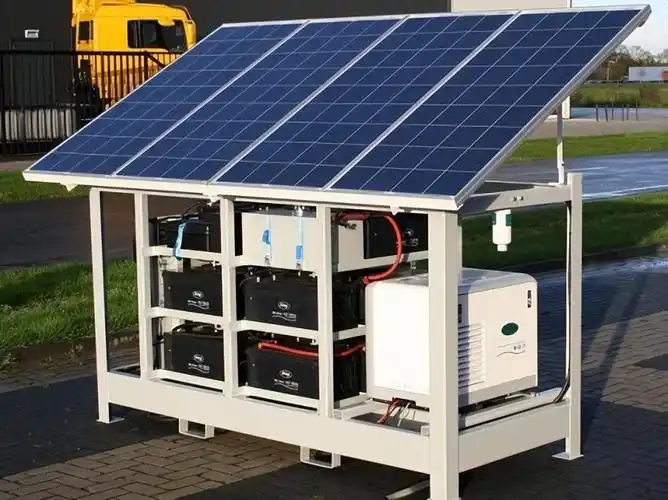
Solar inverters and normal inverters both convert electricity from one form to another, but they are built for different applications and come with unique characteristics. A solar inverter is designed specifically for solar energy systems, whereas a normal inverter generally operates with batteries or the grid. Your choice will depend largely on your individual power requirements.
If you intend to power your home using solar panels, a solar inverter is necessary. On the other hand, if you only require backup electricity during outages, a normal inverter might be enough. Knowing how they differ will help you select the best option for your situation.
Solar inverters are key elements in solar power setups. They transform the direct current (DC) electricity produced by solar panels into alternating current (AC) electricity, which is usable in homes or businesses.
Key Functions of Solar Inverters:
- DC to AC Conversion: Turns solar energy into usable power.
- Performance Monitoring: Tracks system efficiency and identifies problems.
- Safety Features: Keeps the system operating securely.
- Energy Optimization: Maximizes energy harvest from solar panels.
Solar inverters also enable connection to the power grid, allowing you to feed surplus electricity back into it.
Types of Solar Inverters:
- String Inverters: Link multiple solar panels in a series.
- Microinverters: Attached to each panel—ideal for shaded areas.
- Power Optimizers: Used with string inverters to improve each panel’s performance.
- Hybrid Inverters: Combine with batteries to store extra energy.
Normal inverters convert DC power from batteries into AC power. They are commonly used to supply backup power during outages or in off-grid scenarios.
Key Functions of Normal Inverters:
- DC to AC Conversion: Makes battery power suitable for home appliances.
- Backup Power Supply: Provides electricity when the grid fails.
Common Uses:
- Homes: Powers essential devices during blackouts.
- Vehicles: Delivers AC power for household items while traveling.
- Boats and RVs: Supplies electricity in remote locations.
- Backup Systems: Ensures critical equipment remains operational during outages.
Types of Normal Inverters:
- Modified Sine Wave Inverters: Affordable and suitable for basic electronics.
- Pure Sine Wave Inverters: Provide cleaner power for sensitive devices.
- Square Wave Inverters: Simple design but less commonly used.
- Functionality:
Solar inverters convert DC from solar panels to AC for immediate use or grid export.
Normal inverters convert DC from batteries to AC during power interruptions.
- Efficiency:
Solar inverters are generally more efficient, converting up to 98% of DC to AC.
Normal inverters typically offer 90–95% efficiency.
- Cost:
Solar inverters involve a higher upfront investment but can save money over time.
Normal inverters are more budget-friendly initially.
- Installation:
Solar inverters usually require professional installation due to their complexity.
Normal inverters are simpler and often can be installed by users.
- Maintenance:
Solar inverters need minimal upkeep—mainly occasional cleaning.
Normal inverters demand more regular attention, especially battery maintenance.
Consider your energy goals, budget, and setup when deciding.
Solar Inverters Are Best If:
- You have or plan to install solar panels.
- You want to cut long-term energy expenses.
- You live in a sunny region and wish to maximize solar generation.
Normal Inverters Are Suitable If:
- You need reliable backup power during outages.
- You do not have solar panels.
- You require portable or temporary power for RVs, boats, or remote sites.
By carefully assessing your specific needs and circumstances, you can choose the inverter that best fits your home energy requirements.
Next:None
Previous:Donut Lab Unveils 400 Wh/kg Solid-State Battery for OEM EVs at CES 2026