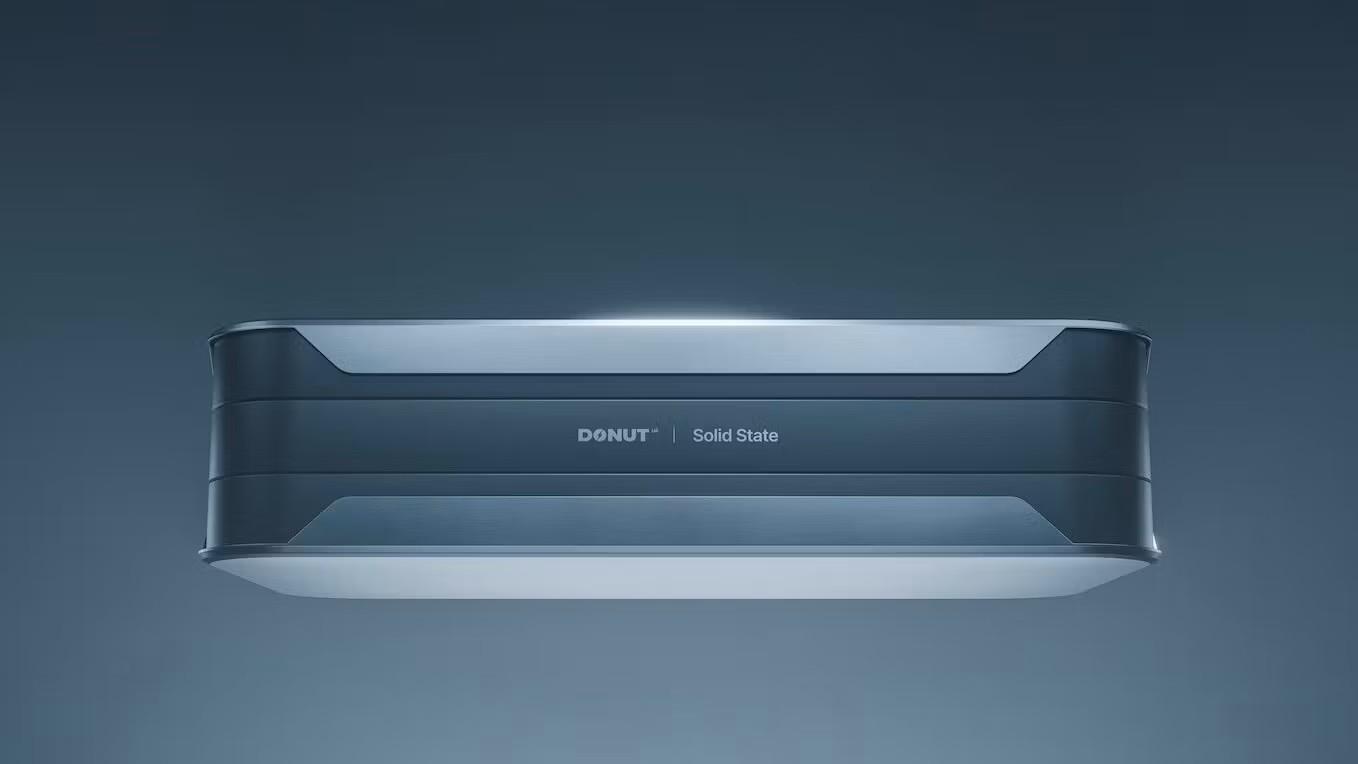
At CES 2026, Donut Lab unveiled what it calls the first all-solid-state battery ready for immediate adoption in original equipment manufacturer (OEM) vehicles. The battery is already being integrated into Verge Motorcycles’ 2026 TS Pro and Ultra models, set to launch in the first quarter of the year.
The solid-state cell delivers an energy density of 400 Wh/kg and can be fully charged in around five minutes—without an 80% limit. It also allows full depth of discharge and retains over 99% of its capacity even at extreme temperatures from –30°C to above 100°C. Designed to last up to 100,000 cycles, the battery eliminates flammable liquid electrolytes and metallic dendrites, greatly reducing capacity fade and cutting the risk of fires.
Made from abundant, low-cost materials with no reliance on scarce or geopolitically sensitive elements, the cells feature a modular design that can be tailored to custom shapes, voltages, and geometries. This opens the door to structural integration—such as embedding batteries into a drone’s body or a vehicle’s chassis.
Beyond motorcycles, Donut Lab is working with multiple industry partners to demonstrate the battery’s versatility. WATT Electric Vehicles will showcase a modular skateboard platform that pairs Donut Lab’s motors and batteries, while Cova Power Smart Trailers—developed with the Ahola Group—use the cells to cut diesel consumption by 54% and reduce total energy use by up to 30%. Together with ESOX Group, the battery is also being tested in defense applications, including tactical buggies and next-generation drone systems.
These advances follow Donut Lab’s debut at last year’s CES of its in-wheel “Donut Motor,” which has since been adopted by more than 200 OEMs. By combining that motor technology with its new solid-state battery, Donut Lab is positioning itself to deliver a uncompromising power solution for electric mobility and beyond.
Next:Solar Inverter vs Normal Inverter: A Guide to Choosing the Right One for Your Home
Previous:Ultimate Guide to Custom Lithium Batteries: 4 Keys to Optimal Performance