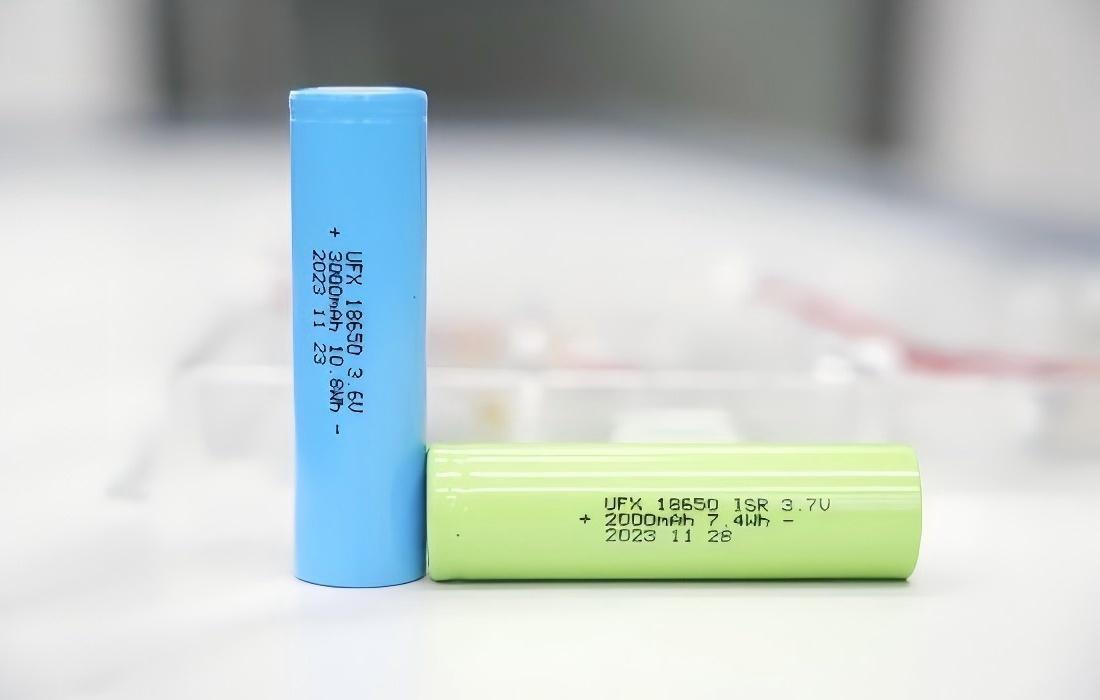
Lithium-ion batteries have transformed the landscape of modern electronics, and among the many battery formats currently available, the 18650 battery stands out as one of the most dependable, efficient, and extensively used power sources. Whether found in laptops, flashlights, electric vehicles, or energy storage systems, the 18650 lithium-ion cell has become a cornerstone of portable power technology.
This detailed guide explores what an 18650 battery is, how it’s built, why it offers so many advantages, and what makes it a go-to choice across a variety of industries.
An 18650 battery is a cylindrical, rechargeable lithium-ion cell with a diameter of 18 millimeters and a length of 65 millimeters. The name itself is a direct reference to its physical dimensions: “18” for diameter, “65” for length, and “0” to indicate its cylindrical shape.
Unlike single-use batteries, 18650 lithium-ion cells can be recharged hundreds or even thousands of times, making them both economical and more environmentally responsible. They typically operate at a nominal voltage of 3.6V or 3.7V and offer capacities ranging from around 1,800 mAh to over 3,500 mAh.
Thanks to their compact form and high energy storage capabilities, they are ideal for powering devices that require long-lasting and reliable energy.
High Energy Density
One of the most compelling features of 18650 batteries is their excellent energy density—essentially, how much energy they can store relative to their size and weight. This enables manufacturers to design compact devices without having to sacrifice runtime or performance. You’ll commonly find them in:
Laptops
Flashlights
Power banks
Cordless tools
Medical equipment
Long Cycle Life and Durability
Quality 18650 rechargeable batteries are typically rated for 500 to 1,000 charge cycles while maintaining consistent performance. Even after extended use, many retain a significant portion of their original capacity, offering strong long-term value.
Reliable Power Output and Stability
These batteries provide stable voltage and are capable of delivering high discharge currents. That makes them particularly suitable for demanding applications like electric vehicles, industrial tools, and advanced electronics.
Standardization and Global Availability
Because the 18650 format is standardized and produced globally, it ensures easy availability, simple replacement, and lower costs. This consistency has made it a default choice for engineers and manufacturers across many sectors.
Versatility Across Use Cases
The 18650 battery is incredibly adaptable and powers a wide range of devices and systems, such as:
Laptop battery packs
Portable power banks
Electric vehicles and e-bikes
Solar energy storage setups
High-performance LED flashlights
Industrial equipment
Environmentally Friendly and Rechargeable
As a rechargeable solution, 18650 batteries help cut down on disposable battery waste. Their long operational life also means fewer replacements and a lighter environmental footprint over time.
Inside every 18650 lithium-ion battery is a carefully engineered structure designed to store and release energy efficiently and safely.
Anode (Negative Electrode)
Typically made from graphite, the anode stores lithium ions when the battery is charging. During discharge, those ions move to the cathode, creating electrical current.
Cathode (Positive Electrode)
The cathode is composed of lithium metal oxides such as lithium cobalt oxide, lithium manganese oxide, or nickel manganese cobalt oxide. Its composition directly influences the battery’s capacity, voltage, and behavior.
Electrolyte
The electrolyte—lithium salts dissolved in an organic solvent—enables lithium ions to travel between the anode and cathode, making energy flow possible.
Separator
A thin, porous membrane keeps the anode and cathode apart to prevent short circuits while still allowing ions to pass through. This is critical for safe operation.
Metal Can (Outer Casing)
The metal casing protects the internal components from damage and helps maintain structural integrity. It also plays a role in safety and heat dissipation.
Protection Circuit and Safety Features
Many 18650 cells come with a built-in protection circuit to guard against overcharging, deep discharge, overheating, and short circuits. These features contribute to safer and more reliable performance.
To meet higher voltage or capacity needs, manufacturers combine multiple 18650 cells into a single battery pack. These packs are configured in series, parallel, or a mix of both:
Series connections boost voltage
Parallel connections increase capacity
Combined setups deliver higher performance across the board
A Battery Management System (BMS) is often included to monitor temperature, voltage, and current, helping to maintain safe operation and prolong battery life.
Consumer Electronics
From laptops to digital cameras, many portable devices rely on the steady and efficient power delivery of 18650 cells.
Electric Vehicles and E-Mobility
Electric cars, scooters, and e-bikes often use 18650-based packs for their balance of energy density, power output, and reliability.
Energy Storage Systems
In solar and other renewable energy setups, 18650 batteries are frequently used to store power for later use, boosting overall system efficiency.
Industrial Equipment
Power tools and robotics benefit from the high discharge rates and robustness of 18650 batteries.
Portable Lighting
LED flashlights and emergency lights favor 18650 batteries for their strong performance and extended runtimes.
The 18650 battery has earned its place as one of the most significant lithium-ion formats in modern technology. With its high energy density, long service life, built-in safety features, and global availability, it continues to serve as a critical power source across a wide range of industries.
As the demand for efficient, rechargeable energy solutions continues to rise, the 18650 lithium-ion battery will remain a vital component in powering today’s devices—and tomorrow’s innovations.
Next:BYD Debuts 2nd-Gen Blade Battery with 9-Minute Flash Charging
Previous:Gotion Finalizes Design for 2 GWh Solid State Battery Commercial Line