LiFePO4 batteries have become the preferred choice for applications such as energy storage, low-speed vehicles, and portable power stations due to their high safety, long cycle life, and resistance to high and low temperatures. Among them, a 3.2V 230Ah LiFePO4 battery has garnered significant attention. In this review, we conduct a comprehensive hands-on test of this battery, using real data to unlock its actual performance characteristics.
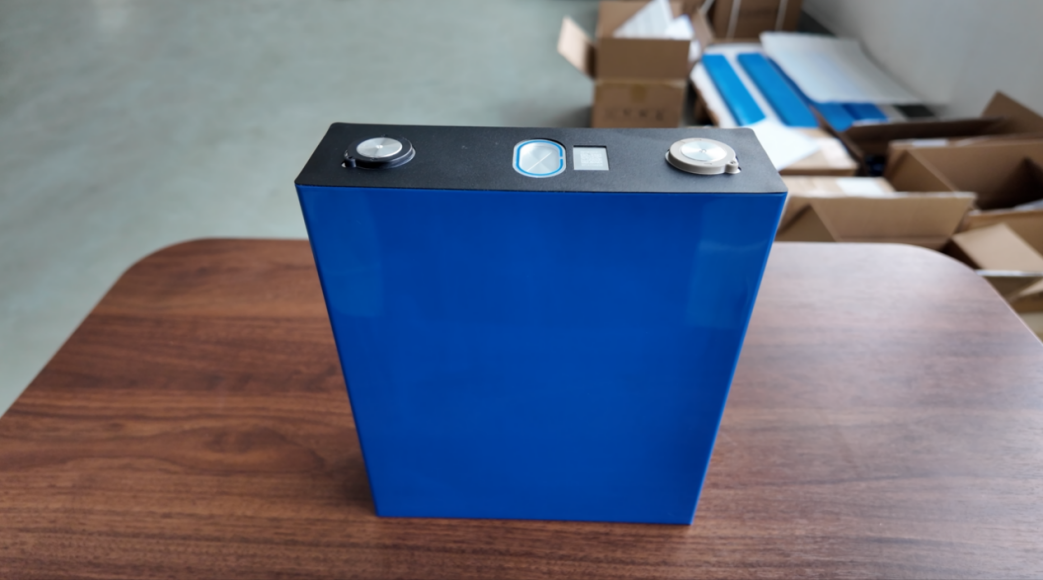
This 3.2V 230Ah LiFePO4 battery features a classic industrial design with a robust casing and meticulous workmanship. It has no noticeable burrs or defects, making it suitable for applications such as energy storage, electric vehicles, and heavy-duty trucks.
Let's take a closer look at the parameters of this 3.2V 230Ah LiFePO4 battery through its specification sheet.
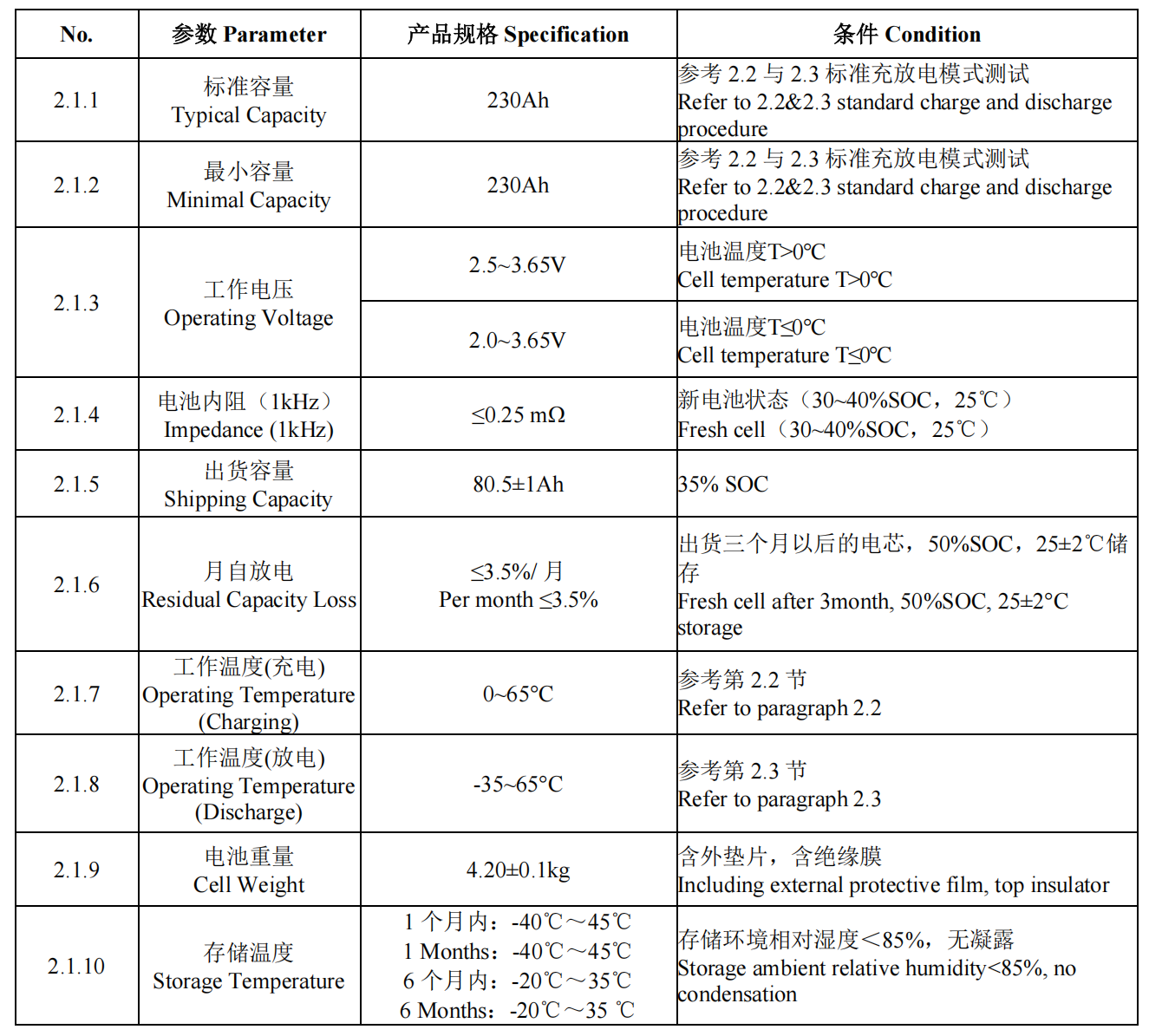
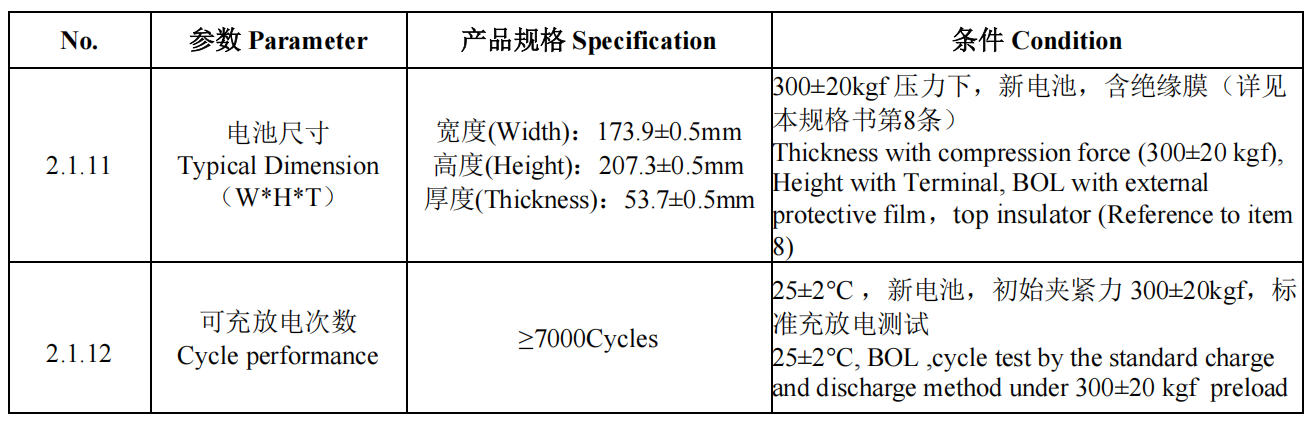
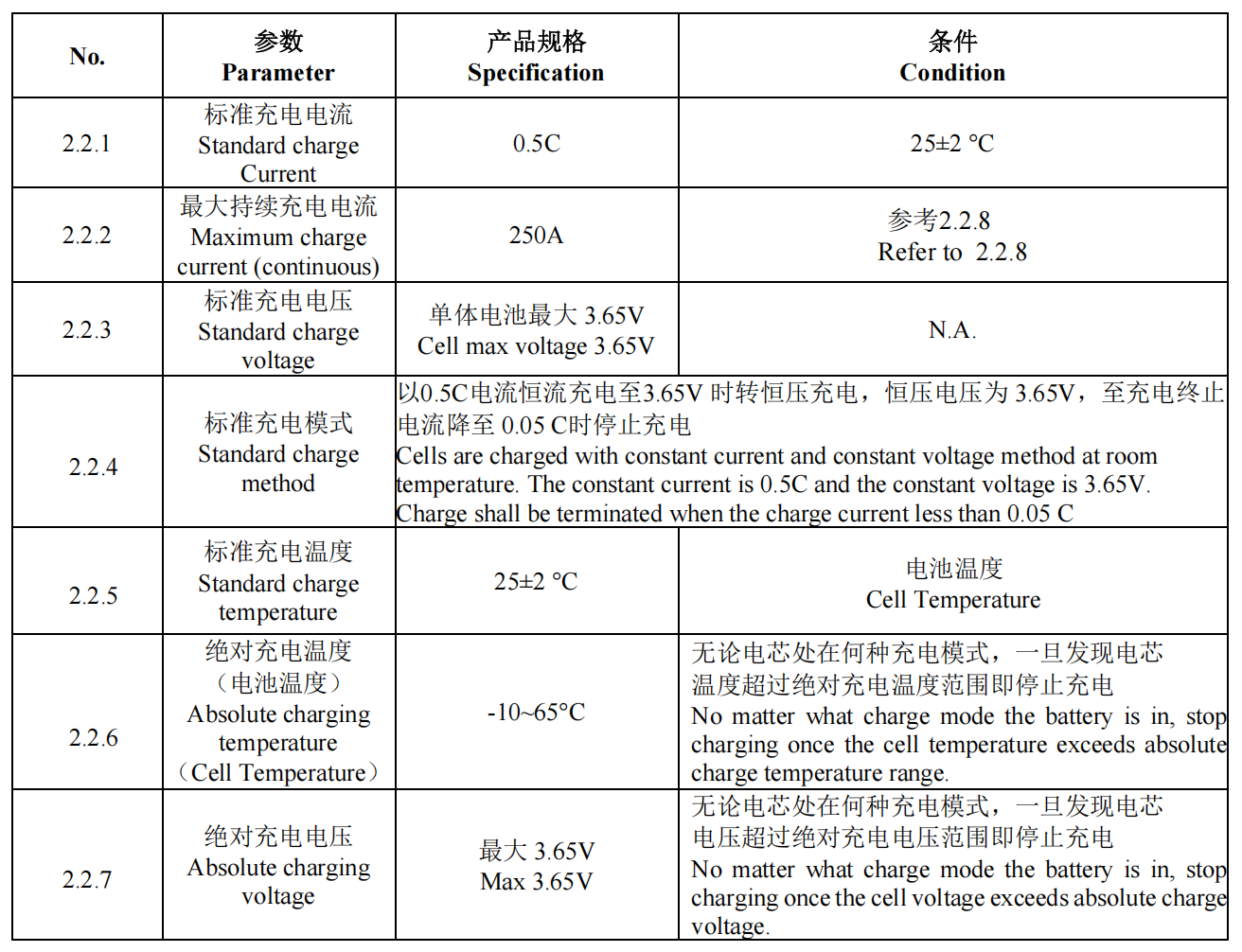
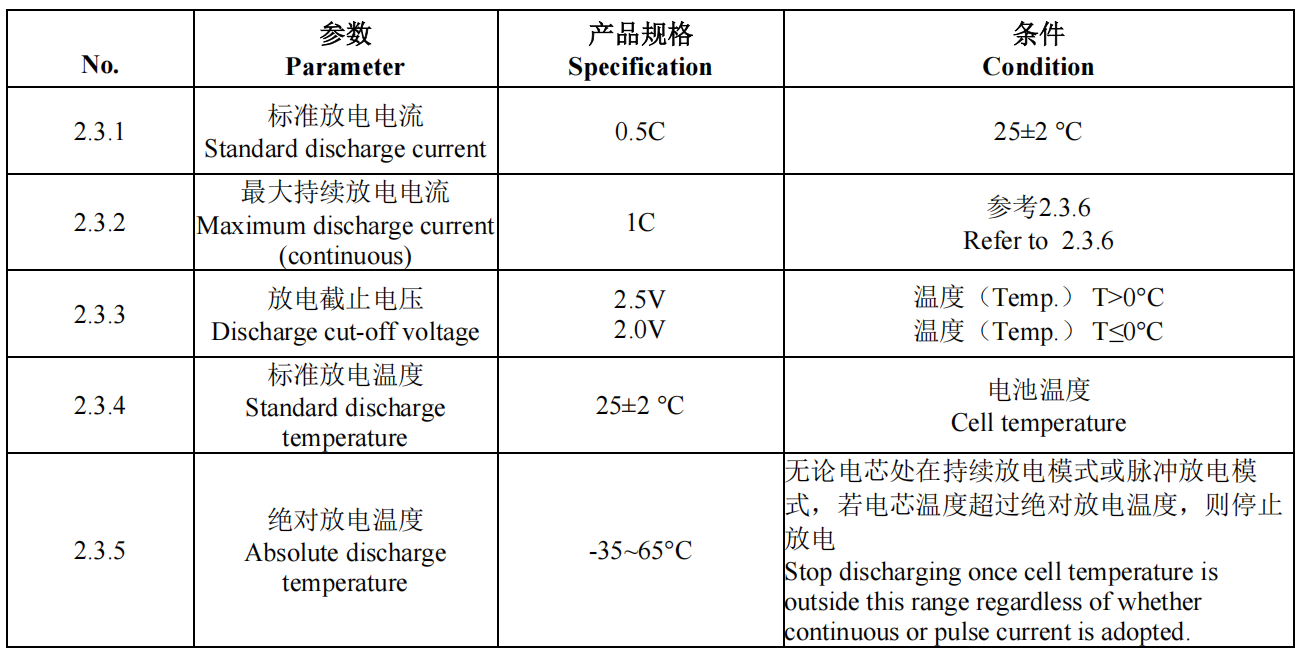
According to the specification sheet, its nominal capacity is 230Ah, and its nominal voltage is 3.2V. The standard charge current is 0.5C, the standard discharge current is 0.5C, the cycle life is ≥7000 times, and the internal resistance is ≤0.25 mΩ.
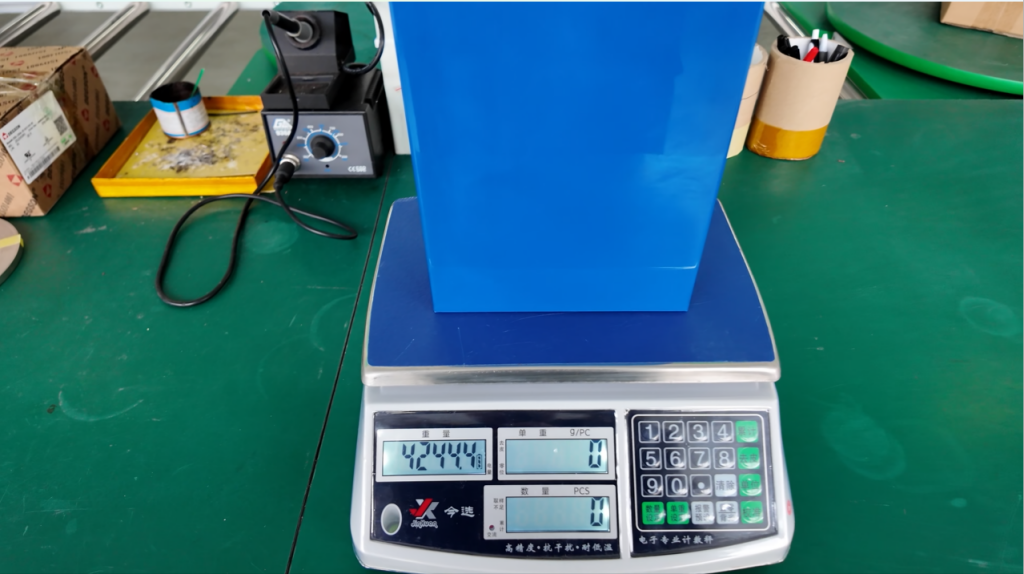
This hands-on test utilizes high-precision professional electronic scales and measuring tools to ensure maximum data accuracy, providing reliable references for subsequent installation and compatibility:
Weight: Measured with professional equipment, the net weight of the battery is 4244.4g. It exhibits excellent lightweight characteristics. Compared to lead-acid batteries of similar capacity, it is more convenient to transport and install.
Dimensions: The actual three-dimensional measurements are as follows. The dimensions are regular and compatible with mainstream battery compartment designs.
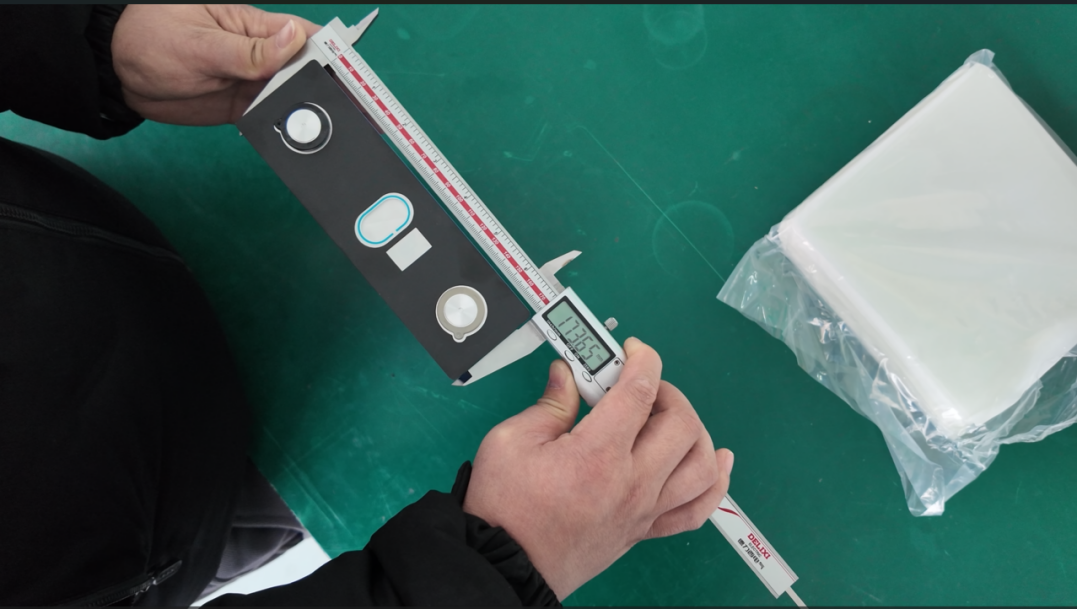
Width 173.65mm
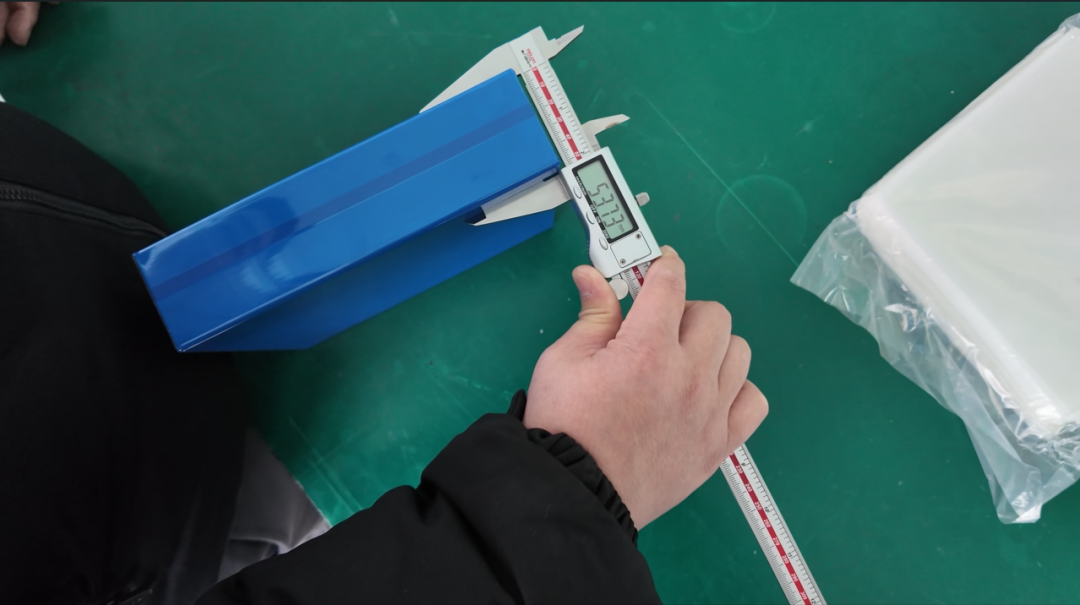
Thickness 53.73mm
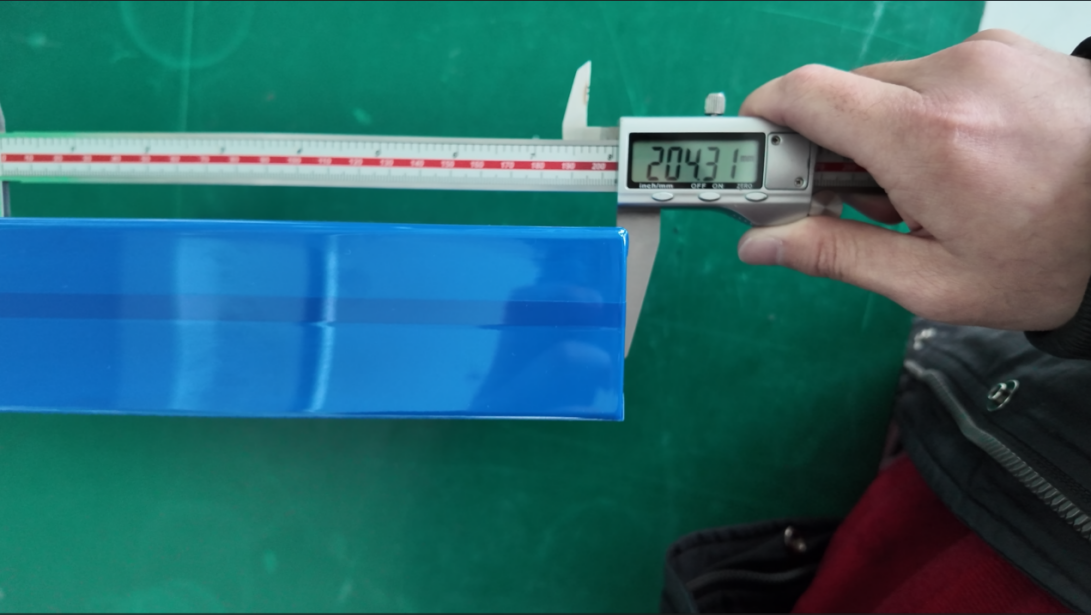
Height 204.31mm
Voltage and internal resistance are core indicators for measuring battery performance, directly impacting power supply stability and discharge efficiency. The measured data is excellent:
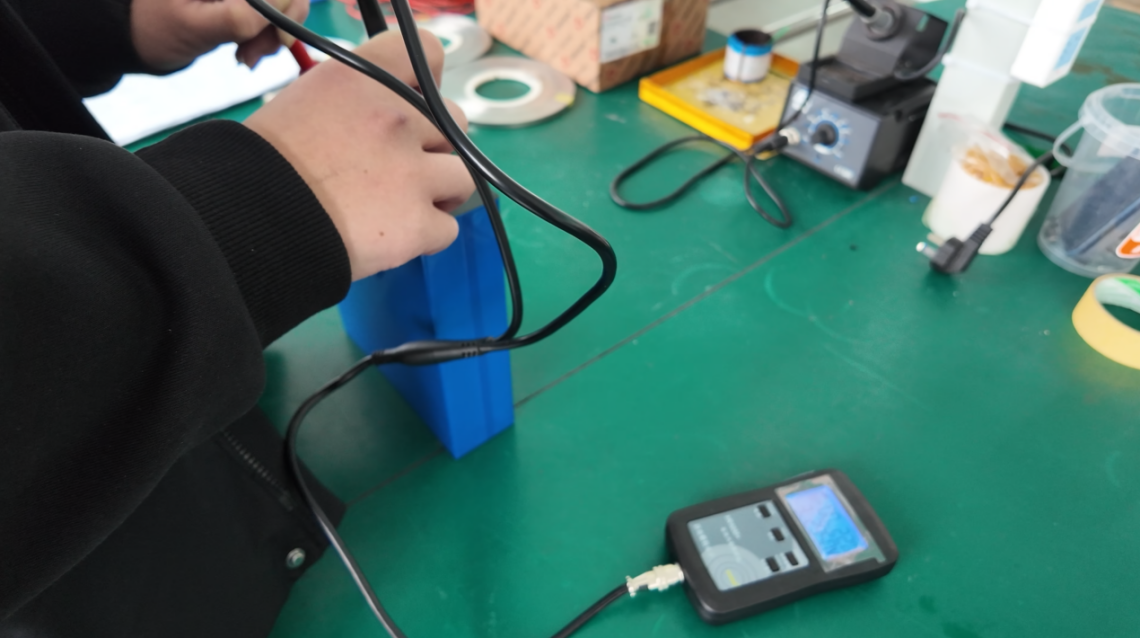
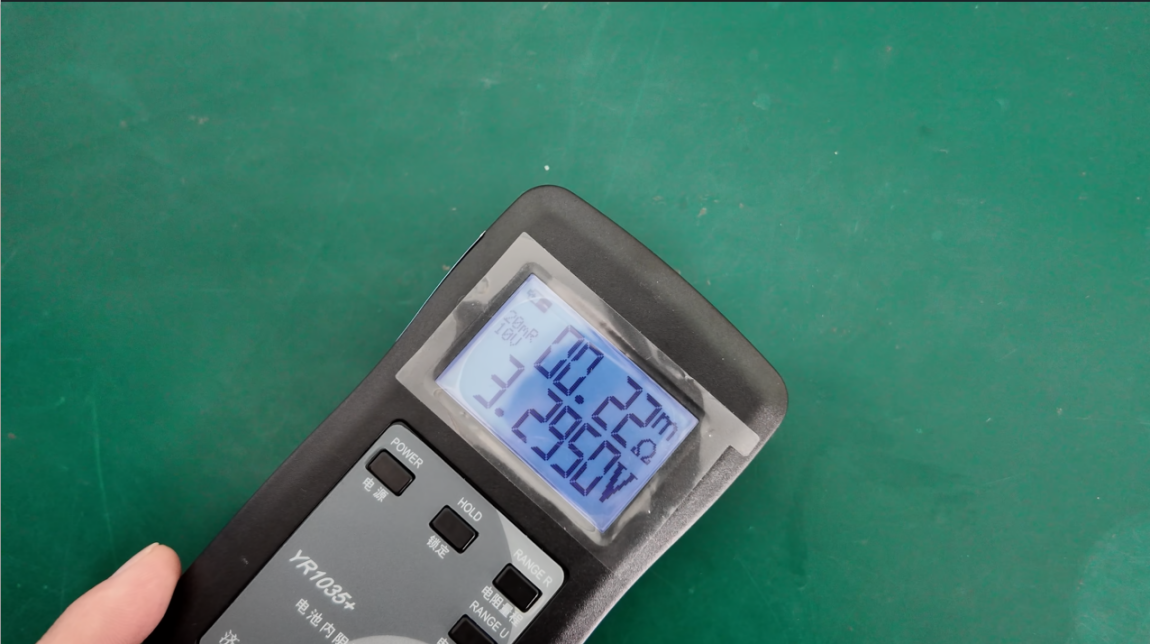
Open Circuit Voltage: The measured value is approximately 3.295V. The voltage is stable and sits above the nominal voltage range, indicating sufficient initial power delivery capability.
Internal Resistance: The measured value is 0.22mΩ. This ultra-low internal resistance means less energy loss during charging and discharging, more stable voltage during high-current discharge, and effectively prevents issues like voltage sag and unstable power supply.
For this capacity test, a professional battery capacity tester was used, completing charge and discharge tests according to standard procedures. The measured data is impressive:
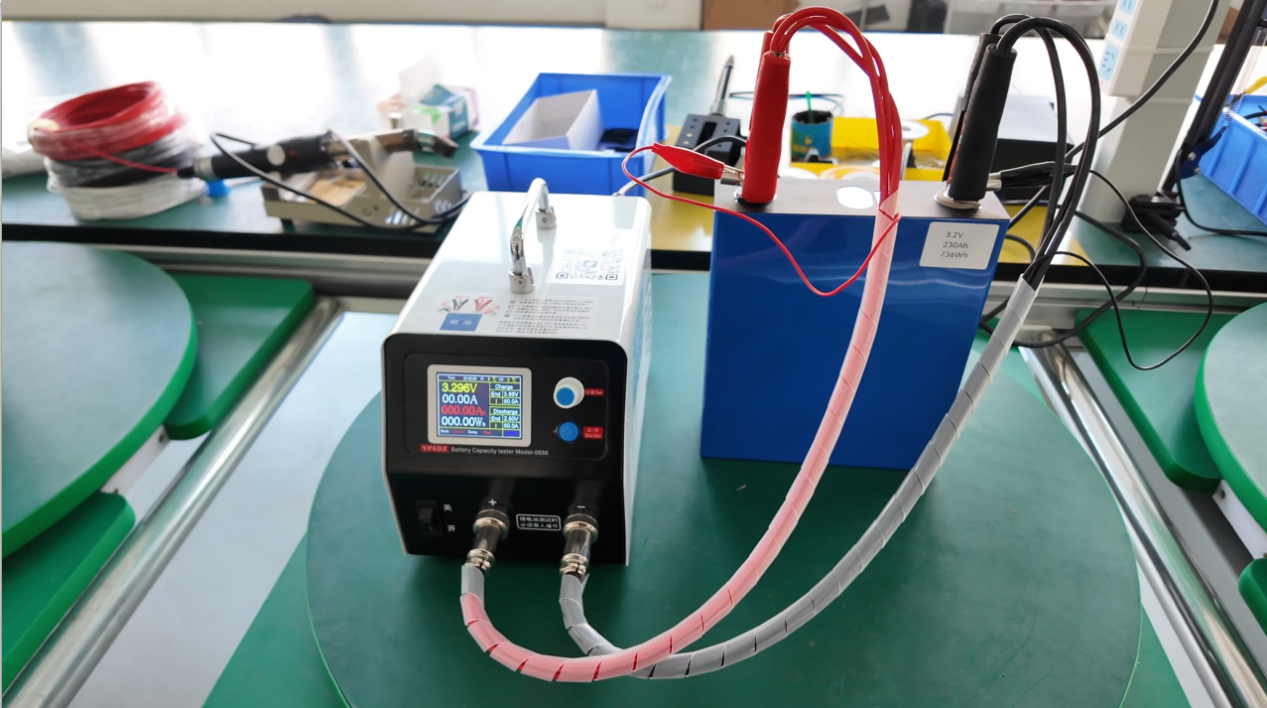
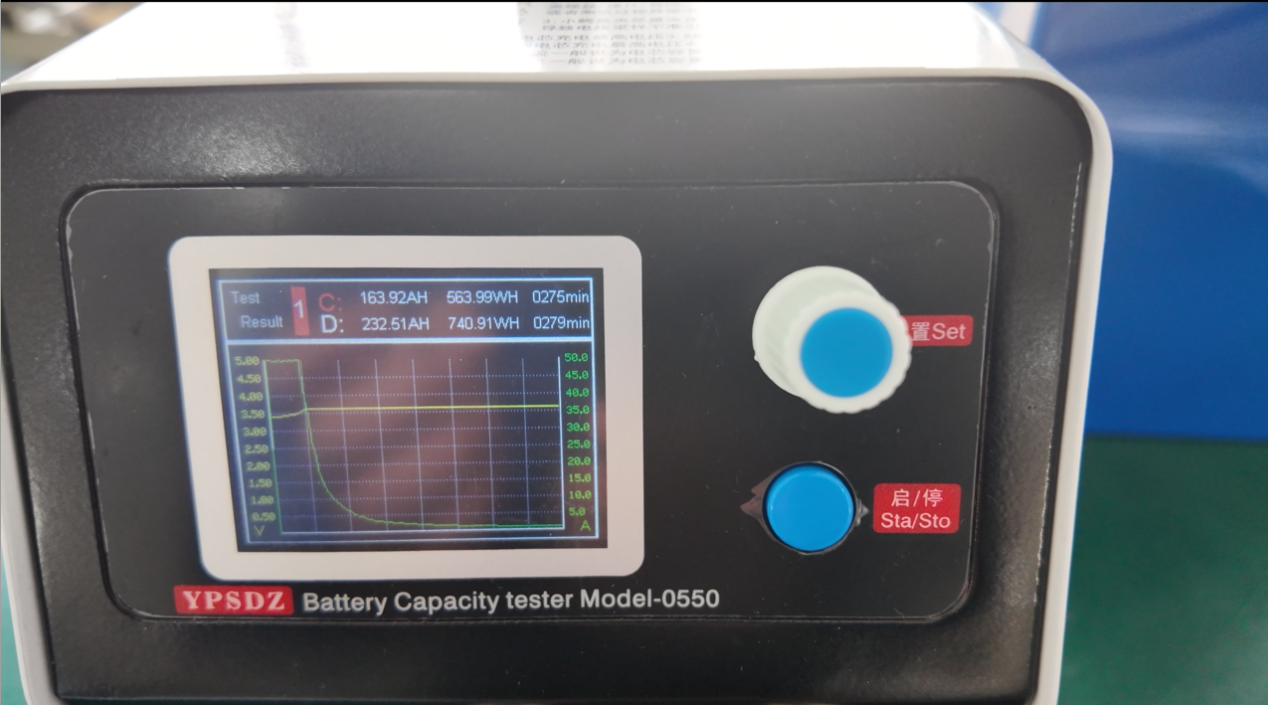
The tester recorded the entire charge and discharge process. The final measured results show: The battery's actual capacity reached 232.51Ah, corresponding to energy of 740.91Wh.
The measured capacity not only meets the nominal 230Ah standard but also slightly exceeds it, with no capacity misrepresentation. In practical use, this provides longer-lasting power support for equipment, fully meeting the high-capacity demands of scenarios like energy storage and motive power.
Overall, this 3.2V 230Ah LiFePO4 battery performed flawlessly throughout this hands-on test. Its dimensions and weight are regular, core electrical parameters are excellent, and the measured capacity is slightly higher than the nominal value. Combined with the inherent advantages of the LiFePO4 chemistry, such as high safety and long cycle life, it presents a cost-effective choice for high-capacity power supply applications.
Next:Donut Lab Solid State Battery’s Third Test Results Published, Proving It’s No Supercapacitor
Previous:What is the Difference Between Portable Battery Chargers and Power Banks?