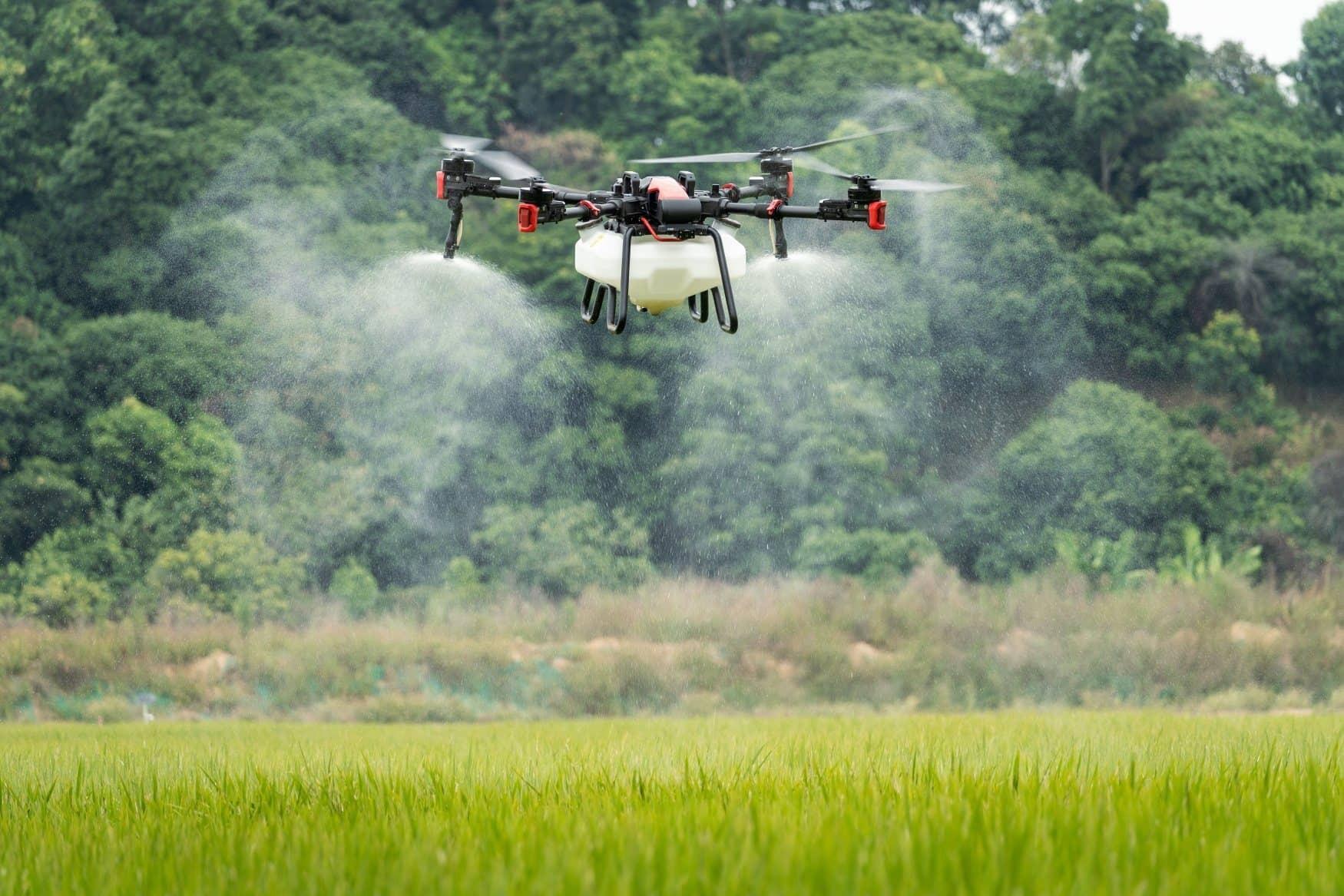
Drone batteries make or break every flight. Whether you're flying a recreational quadcopter or a commercial UAV, the battery determines how long you stay airborne, what you can carry, how stable your platform is, and ultimately whether your operation succeeds or fails. As drones transform agriculture, logistics, cinematography, mapping, and surveillance, the need for high-performance battery solutions has never been greater.
This comprehensive guide covers everything you need to know about drone batteries. We'll walk through battery types, key performance metrics, flight time calculations, safety protocols, selecting reliable manufacturers, custom solutions, charger selection, and maintenance strategies. Whether you manage a commercial fleet or fly for fun, this guide will help you maximize flight time, safety, and your return on investment.
Choosing the right battery chemistry isn't just technical detail—it's the foundation of performance. Each type brings distinct advantages depending on what you're trying to accomplish.
Lithium Polymer (LiPo) Batteries
LiPo batteries dominate the drone world for good reason. They deliver serious power without weighing you down.
Key Advantages:
- High discharge rates (40C, 50C, even 70C) when you need sudden bursts
- Lightweight construction keeps your drone agile
- Flexible form factors for custom builds
Limitations:
- Sensitive to overcharging and rough handling
- Require balance charging—no shortcuts
Best For: Racing drones, aerial photography rigs, and professional UAVs that demand rapid power delivery.
Lithium-Ion (Li-ion) Batteries
Li-ion batteries bring stability and longevity to the table. They're the workhorses when endurance matters more than raw speed.
Key Advantages:
- Higher energy density for extended flight times
- Longer charge cycle life
- Better thermal behavior
Limitations:
- Lower discharge rates than LiPo
- Less flexible physically
Best For: Consumer drones and large UAVs where staying airborne longer beats quick bursts.
Lithium Iron Phosphate (LiFePO4) Batteries
LiFePO4 batteries prioritize safety above all else. They're built for missions where failure isn't an option.
Key Advantages:
- Superior thermal stability
- Dramatically lower fire risk
- Extended cycle life
- Withstands deep discharge better
Limitations:
- Lower energy density
- Heavier than other lithium chemistries
Best For: Industrial applications where safety and reliability are non-negotiable.
1. Capacity (mAh or Ah)
Capacity tells you how much energy the battery holds. More capacity typically means more flight time—but also more weight. The trick is finding the sweet spot for your specific drone.
2. Voltage (V)
Voltage determines your total power output. Drone batteries typically range from 7.4V (2S) to 66.6V (18S). Higher voltage systems handle larger motors and heavier payloads.
3. C Rating (Discharge Rate)
The C rating tells you how fast the battery can safely release its energy:
- 1C = Full discharge in 60 minutes
- 10C = Full discharge in 6 minutes
4. Charge Cycles
Most LiPo and Li-ion batteries last 300–500 cycles with proper care. How you charge and store them makes all the difference.
5. Battery Efficiency (80–90%)
Some energy always disappears as heat. Real-world efficiency typically falls between 80% and 90%.
6. Drone Power Consumption (Watts)
Total power draw includes motors, electronics, and payload. Measure it with a wattmeter or check manufacturer specs.
Flight Time (hours) = (Battery Capacity (Ah) × Voltage (V) × Efficiency) ÷ Power Consumption (W)
Example:
- Battery capacity: 5Ah (5000mAh)
- Voltage: 14.8V
- Efficiency: 85% (0.85)
- Power consumption: 150W
Calculation: (5 × 14.8 × 0.85) ÷ 150 = 0.419 hours ≈ 25 minutes
Real-world factors like payload weight, wind resistance, aggressive flying, and temperature extremes will affect actual flight time. Always land with at least 20% battery remaining.
Common Risks
- Overheating during charging or flight
- Swollen battery packs
- Overcharging or deep discharging
- Using incompatible chargers
Essential Safety Measures
- Use batteries with built-in Battery Management Systems (BMS)
- Charge inside fireproof LiPo bags
- Monitor temperature during charging
- Follow manufacturer specs—exactly
Key Evaluation Criteria
Quality Standards: Look for ISO 9001 or IATF 16969 certification. These aren't just badges—they tell you the manufacturer follows rigorous processes.
Production Capacity: Can they consistently supply the volume you need? Scale matters.
R&D Capabilities: Strong innovation means better solutions. Manufacturers who invest in research stay ahead.
Industry Experience: Proven track records indicate reliability. You want a partner who's been through real-world challenges.
After-Sales Support: Responsive technical service makes long-term cooperation work. Test their support before you commit.
Essential Certifications
- UL Certification – Fire and electrical safety
- CE Mark & RoHS – European compliance
- UN38.3 – Air transportation safety
- FCC, PSE, BIS – Regional certifications for your target markets
Sometimes off-the-shelf won't cut it. Here's how custom solutions work:
1. Define technical specifications – Capacity, voltage, dimensions, connectors
2. Partner with an experienced manufacturer – Experience matters more than promises
3. Develop and test prototypes – Validate before committing
4. Refine design through feedback – Iterate based on real performance
5. Proceed to mass production – Scale with confidence
Types of Drone Battery Chargers
- USB Chargers: Portable but slow
- Balance Chargers: Essential for LiPo and multi-cell packs
- Field Chargers: Built for remote operations
Charger Selection Criteria
- Battery compatibility
- Proper charging rate (1C recommended)
- Overcharge and short-circuit protection
- Temperature monitoring
- User-friendly interface
Safe Charging Steps
1. Inspect battery condition before charging
2. Use a compatible charger
3. Charge in a fireproof environment
4. Set correct charging parameters
5. Monitor the charging process
6. Disconnect immediately after full charge
Storage and Maintenance Tips
- Store at room temperature
- Maintain 50–60% charge during storage
- Avoid full discharge
- Protect from extreme heat
- Clean battery terminals regularly
Swelling: Stop using immediately and dispose safely. This isn't something to gamble with.
Overheating: Allow cooling and inspect charging settings. Persistent heat problems need investigation.
Reduced Capacity: Try recalibration cycles. If that doesn't help, replacement is likely needed.
Drone batteries are the foundation of safe, efficient UAV operations. Understanding battery types, performance metrics, charging procedures, and safety protocols lets operators maximize flight time and extend battery lifespan. By choosing certified manufacturers, investing in quality chargers, and following maintenance best practices, drone users ensure reliable performance and reduced operational risk.
Battery technology keeps evolving. Staying informed helps you unlock your drone fleet's full potential and achieve consistent, high-performance flights every time.
Next:Gotion and BASF Partner on Next-Gen Solid-State Battery
Previous:Ganfeng Lithium Starts Solid-Liquid Hybrid Battery Production