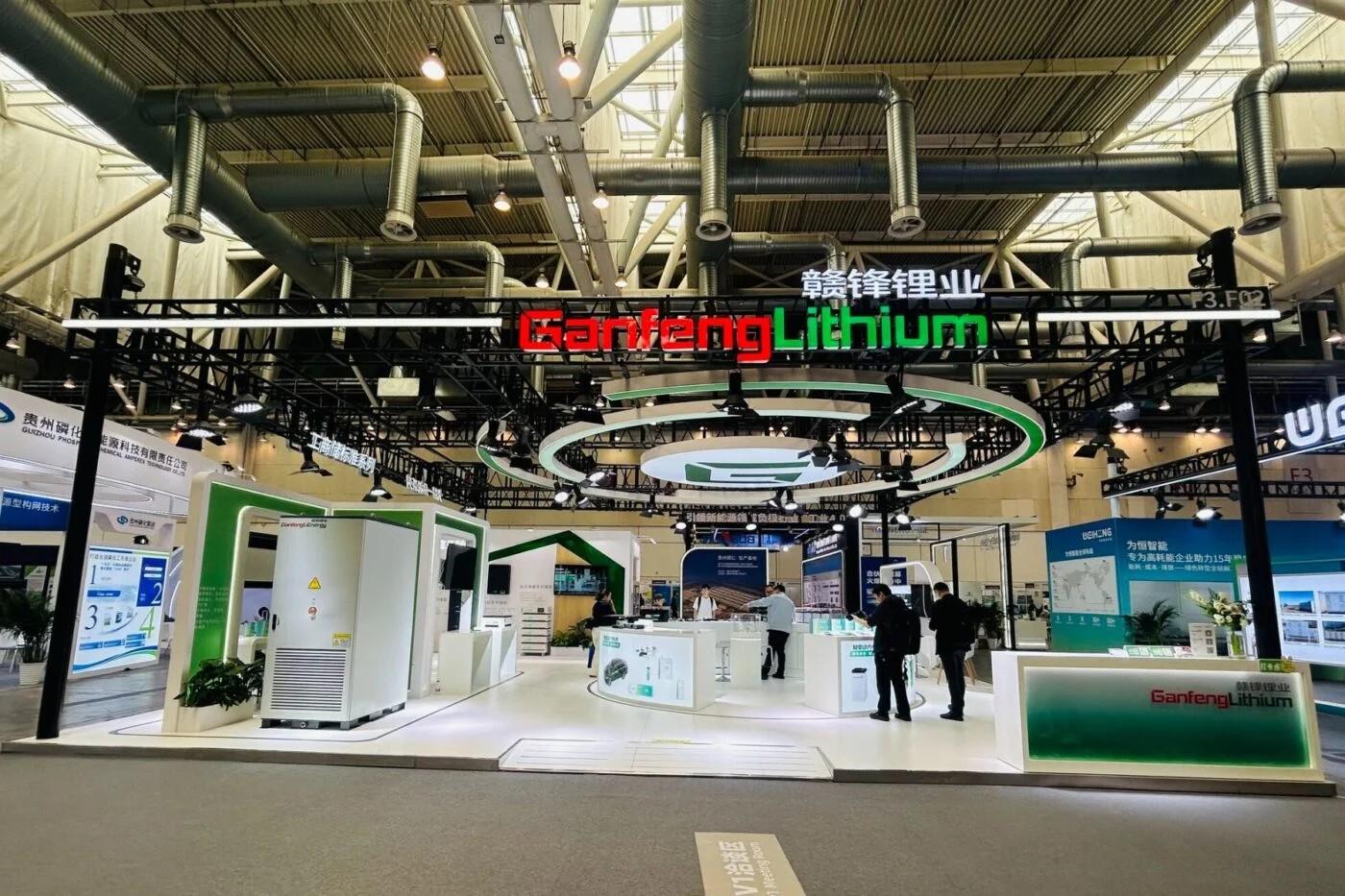
Ganfeng Lithium has officially kicked off mass production of its new solid-liquid hybrid battery, which delivers an energy density of 650 Wh/kg thanks to a specially developed lithium alloy. The company—already a long-time supplier to automakers like Changan and Hyundai—is also in the pilot production stage for all-solid-state battery packs using similar lithium alloy anodes.
Founded in China in 2000 as a lithium salts and battery manufacturer, Ganfeng entered the passenger EV battery space in 2017. A memorandum of understanding with Changan was signed in 2023, followed by a similar agreement with Hyundai in 2024—signs of rising demand for next-gen battery tech.
The newly launched hybrid cell features advanced cathode and anode materials, paired with a lithium metal anode engineered for low potential and high capacity. By incorporating a multi-element lithium alloy, Ganfeng has tackled persistent industry pain points like dendrite growth and limited cycle life. The alloy framework helps keep electrode-electrolyte contact stable, suppresses dendrites, and improves safety.
Key specs include a critical current density of 50 mA/cm², an areal capacity of 1 mAh/cm², and support for 3C fast charging. The “zero-strain” lithium alloy anode, used with a sulfur cathode, sees just 3–5% volume expansion during cycling. In safety tests, the cells passed nail penetration and withstood temperatures up to 250 °C, with exothermic reactions more than 90% lower than those of pure lithium.
For now, these solid-liquid hybrid packs are being used outside the automotive sector. But Ganfeng sees them as a stepping stone toward its all-solid-state ambitions. The company has already moved to sample production of solid-state cells with the same lithium alloy anode and aims to bring these high-energy, more stable batteries to future EVs.
Previous:LiFePO4 Battery Troubleshooting Guide: Common Issues, Causes, and Reliable Solutions