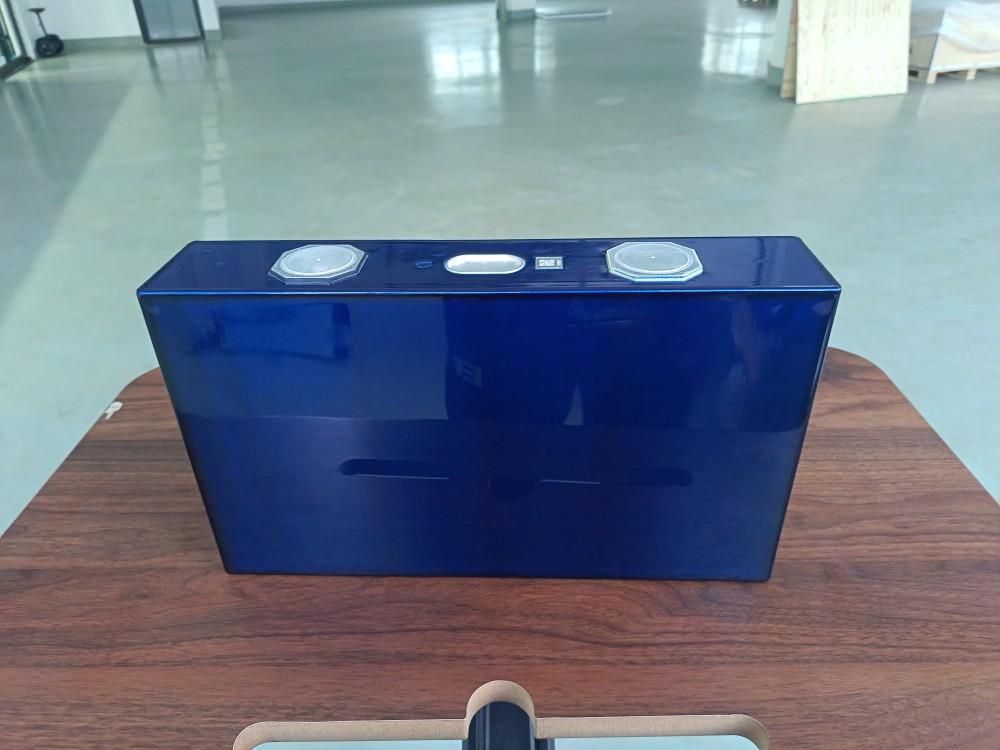
Lithium Iron Phosphate (LiFePO4) batteries have earned their reputation as a dependable energy storage choice for solar setups, RVs, marine use, industrial machinery, and backup power. Prized for their long service life, thermal safety, and stable chemistry, they are frequently the top pick for users who prioritize reliability.
Nevertheless, even the sturdiest battery technology can experience problems if operated outside its recommended conditions. When an issue arises, knowing why it happened—and how to resolve it—can save you time, safeguard your investment, and maximize the battery’s lifespan.
This guide covers the most frequent LiFePO4 battery problems, clarifies their triggers, and offers clear, actionable solutions based on industry best practices.
Nearly all LiFePO4 batteries include a Battery Management System (BMS). This electronic protector constantly monitors voltage, current, and temperature to prevent damage. If it detects an abnormal condition, it will temporarily disconnect the battery to safeguard the internal cells.
In many cases, what seems like a battery “failure” is actually the BMS doing exactly what it’s designed to do.
Possible Causes
- Severe over-discharge
- Extended storage without a maintenance charge
- Small constant drains (parasitic loads) depleting the battery over time
- Battery voltage has fallen below 10V
When cell voltage drops too low, the BMS may enter a protective lockout, blocking normal charge and discharge functions.
Recommended Solution
- Use a LiFePO4-specific charger that includes a wake-up or forced-charge function.
- Apply a charging current greater than 1A to reactivate the BMS.
- Prevent repeated deep discharges to avoid permanent loss of capacity.
Tip: For long-term storage, maintain batteries at a 40–60% state of charge to minimize self-discharge risk.
Possible Causes
- Battery voltage falls below the BMS cutoff level during use.
- The connected load is too high or has been running too long without recharge.
Recommended Solution
- Immediately disconnect all loads from the battery.
- Recharge using a current above 1A.
- Only resume use once the voltage has recovered to the normal operating range.
This protection is essential—it prevents irreversible damage to the lithium cells.
Possible Causes
- Charger voltage setting is too high.
- Using an incompatible charging source.
- Malfunctioning charge controller.
If the charging voltage exceeds safe limits, the BMS will interrupt the current to prevent overheating or cell swelling.
Recommended Solution
- Disconnect the charger.
- Lower the charge voltage by 0.2V–0.4V.
- Allow the battery to rest for about 6 hours.
- Reconnect and charge using the correct LiFePO4 voltage settings.
If the problem persists with a verified compatible charger, the BMS itself may require service or replacement.
Possible Causes
- Charging or discharging in temperatures outside the recommended range.
- Inadequate ventilation or exposure to environmental extremes.
Standard LiFePO4 temperature ranges:
- Charging: 0°C to 45°C (32°F to 113°F)
- Discharging: -20°C to 60°C (-4°F to 140°F)
Recommended Solution
- Disconnect the battery from all loads and chargers.
- Let the battery gradually return to a safe temperature range.
- The BMS will typically reset automatically once conditions are normal.
Avoid charging below freezing unless your battery has a built-in low-temperature charging feature.
Possible Causes
- Internal short circuit from a manufacturing flaw.
- Incorrect or faulty external wiring.
- Damaged terminals, connectors, or insulation.
A short circuit produces a dangerous surge of current and heat.
Recommended Solution
- Immediately eliminate the source of the short.
- Carefully inspect all wiring, terminals, and connections.
- Once fixed, recharge the battery with a current above 1A.
Using quality components and following proper installation practices are the best ways to prevent shorts.
Possible Causes
- Load demand exceeds the battery’s continuous output rating.
- High surge current from an inverter.
- Charger current output is set too high.
Recommended Solution
- Disconnect the battery immediately.
- Reduce the connected load or use equipment that matches the battery’s specifications.
- Ensure all system currents remain within the battery’s rated limits.
Frequent overcurrent events can strain internal components and reduce overall battery life.
| Problem | Likely Cause | Solution |
| Battery won’t activate | Severe over-discharge | Use LiFePO4 charger with wake-up function |
| Undervoltage shutdown | Voltage dropped below BMS cutoff | Disconnect load, recharge with >1A current |
| Overvoltage protection | Charger voltage too high | Lower voltage, allow rest, then recharge properly |
| Temperature protection | Operation in extreme heat/cold | Let battery return to normal temperature range |
| Short circuit protection | Internal defect or wiring fault | Remove short, inspect all connections |
| Overcurrent protection | Current draw or charge too high | Disconnect, reduce load/charge current |
- Always use a charger designed for LiFePO4 chemistry.
- Avoid regularly discharging below the recommended voltage.
- Operate and store batteries within their specified temperature limits.
- Periodically check terminals and connections for tightness and cleanliness.
- For storage, keep batteries at a partial state of charge (40-60%).
Industry data shows that well-maintained LiFePO4 batteries can achieve 3,000 to 6,000 cycles, far exceeding the lifespan of traditional lead-acid batteries.
LiFePO4 batteries are built for safety and endurance, but their long-term performance relies on proper use and prompt troubleshooting. Most operational issues result from environmental factors, incorrect charging, or system incompatibility—not from a fundamental flaw in the battery.
By recognizing BMS protection behaviors and responding appropriately, you can ensure your energy system remains reliable for years to come.
Need expert advice or searching for high-performance LiFePO4 batteries?
Browse our product selection or get in touch with our technical support team to find the ideal power solution for your needs.
Next:Ganfeng Lithium Starts Solid-Liquid Hybrid Battery Production