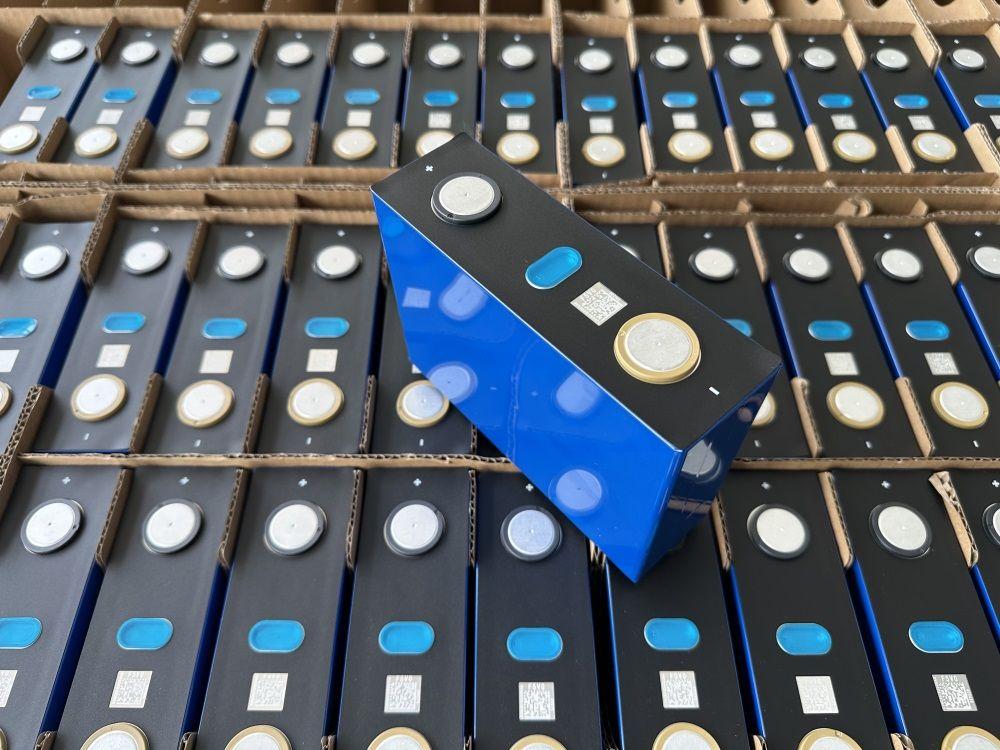
When weighing fast charging against slow charging for lithium batteries, the decision hinges on whether you value speed or long-term battery preservation more highly. Slow charging is generally considered the superior method for maximizing a battery's lifespan, whereas fast charging offers unparalleled convenience when time is of the essence.
Key Insight: Slow charging curtails heat and chemical strain, while fast charging increases wear but enhances operational efficiency.
- Slow charging prolongs battery longevity by minimizing thermal accumulation.
- Fast charging is best suited for urgent power requirements.
- Maintaining a state of charge between 20% and 80% improves overall durability.
- A blended charging approach provides the optimal equilibrium.
Fast charging employs high-power direct current (DC) to replenish lithium batteries at an accelerated rate. Operating at power levels between 20 kW and 120 kW, it can fully charge devices in under an hour, and in some cases, within minutes.
This technique is prevalent in:
- Electric vehicles (EVs)
- Industrial machinery
- Robotic systems
Nevertheless, the intense current flow produces substantial heat, necessitating sophisticated thermal management systems to safeguard the battery from harm.
Slow charging utilizes low-power alternating current (AC) to restore battery energy in a gradual, measured manner. While the process often requires several hours to complete, it notably enhances battery well-being.
It is frequently applied in:
- Medical apparatus
- Consumer gadgets
- Residential energy storage solutions
This method alleviates internal pressure on the cells and helps maintain capacity retention across numerous cycles.
| Feature | Fast Charging | Slow Charging |
| Power Source | DC (20–120 kW) | AC (≤2 kW) |
| Charging Duration | 15 minutes – 1 hour | 6+ hours |
| Heat Production | High | Low |
| Battery Impact | Accelerated degradation | Extended service life |
Heat and Thermal Strain
Fast charging produces significant thermal output, occasionally pushing temperatures beyond the cell's optimal operating range. This heat hastens the wear of internal components and diminishes charging efficiency.
Chemical Deterioration
The swift migration of ions prompted by fast charging induces mechanical and chemical stress within the electrode structure. Over time, this can lead to microscopic fracturing and a reduction in the total number of usable charge cycles.
Fast charging is indispensable for applications where downtime must be minimized, such as commercial EV fleets and round-the-clock industrial operations. In these contexts, advanced Battery Management Systems (BMS) play a crucial role in moderating the adverse effects.
Mitigated Cell Stress
Slow charging fosters a stable and orderly movement of ions, greatly lowering the risk of lithium plating and physical damage, thereby preserving the battery's structural integrity.
Prolonged Operational Lifespan
Batteries subjected predominantly to slow charging often retain upwards of 80% of their original capacity after prolonged use, maintaining a high State of Health (SoH) well into their service life.
Drawbacks
The primary trade-off is time. Slow charging may prove impractical for users with high-utilization schedules or immediate energy demands.
Fast Charging
- Pros: Rapid turnaround, high efficiency, minimal operational delay.
- Cons: Elevated heat generation, increased rate of wear, shortened overall lifespan.
Slow Charging
- Pros: Enhanced battery endurance, reduced mechanical stress, economical.
- Cons: Lengthy process, limited on-the-go flexibility.
The most pragmatic methodology involves a hybrid routine:
- Reserve fast charging exclusively for scenarios where time is constrained.
- Default to slow charging for routine, overnight replenishment.
- Strive to keep the battery's charge window within the 20%–80% sweet spot.
Slow charging stands as the definitive choice for those aiming to maximize the functional life of a lithium battery. Meanwhile, fast charging remains a critical asset for efficiency and modern convenience. By integrating both methods judiciously, users can secure both peak performance and sustained dependability.
Does fast charging ruin batteries?
Not inherently, but habitual use devoid of adequate temperature control can expedite the aging process.
How can I best prolong my battery's life?
Adhere to a 20%–80% charge range, shield the device from extreme ambient heat or cold, and apply fast charging sparingly.
Is slow charging unequivocally superior?
In terms of battery preservation, yes. However, fast charging is an essential and necessary tool in high-demand environments.
Next:Samsung SDI and Mercedes-Benz In Advanced Discussions on EV Battery Supply
Previous:EVE Energy Debuts 6.9 MWh BESS and Secures Over 50 GWh Strategic Deals