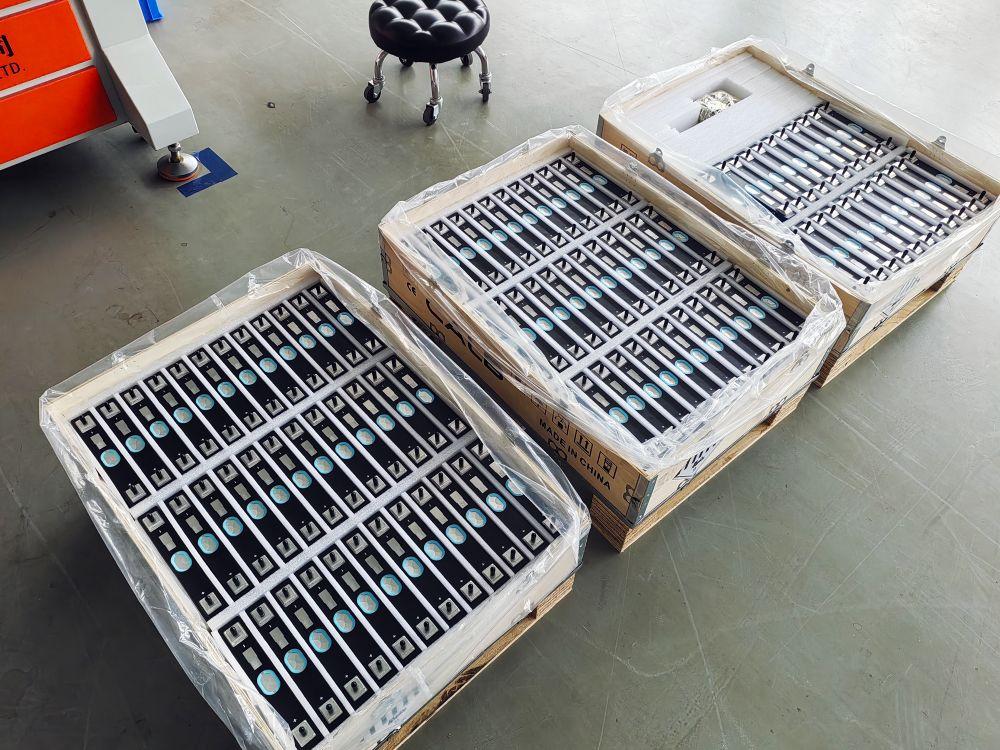
Lithium-ion batteries are the backbone of modern technology—found in everything from smartphones and laptops to electric vehicles, solar energy storage, and medical devices. Their high energy density allows for compact, efficient power, but it also brings inherent risks like overheating, fire, and thermal runaway.
Due to these dangers, international shipping authorities have implemented strict rules governing the transport of lithium-ion batteries. Among the most critical classifications are UN3480 and UN3481.
For manufacturers, logistics providers, distributors, and businesses that ship battery-powered products, understanding the distinction between these two classifications is crucial. Proper packaging, labeling, and documentation are key not only to staying compliant but also to avoiding expensive shipping delays and safety incidents.
This guide provides an overview of the regulations for UN3480 and UN3481 lithium-ion battery shipments, along with practical advice for ensuring safe transport.
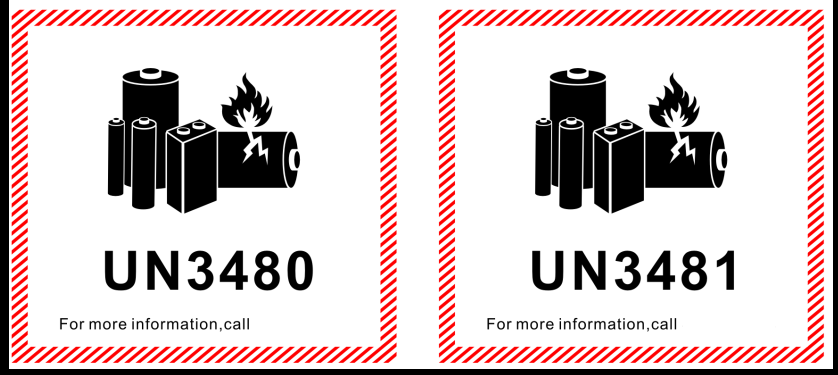
UN3480 applies to lithium-ion batteries shipped by themselves.
UN3481 applies to batteries packed with or contained in equipment.
Correct packaging, labeling, and documentation are fundamental to compliance.
Watt-hour (Wh) limits and Cargo Aircraft Only restrictions play a critical role in air transport.
Frequent shipping errors include mislabeling, incomplete paperwork, and inadequate staff training.
Lithium-ion batteries are used extensively across various sectors, such as consumer electronics, renewable energy storage, healthcare devices, and industrial tools. While they deliver high performance and long cycle life, they present significant safety hazards if not handled correctly during shipping.
Key risks include:
Short circuits from exposed terminals
Thermal runaway resulting from overheating or physical impact
Fires that are especially challenging to manage in air transport
To address these risks, international shipping regulations classify lithium-ion batteries under specific UN numbers. The two main categories are:
UN3480
Lithium-ion batteries shipped alone, without any accompanying equipment.
UN3481
Lithium-ion batteries packed with or contained within equipment.
Each classification comes with its own set of requirements for packaging, labeling, and shipping paperwork.
When lithium-ion batteries are transported without equipment, they are considered a higher risk. As a result, UN3480 shipments are subject to stricter regulations.
Packaging Requirements
Proper packaging is essential to prevent damage and short circuits during transit.
Key packaging rules include:
Batteries must be protected against short circuits, typically using non-conductive caps or separators.
The State of Charge (SoC) for air transport must not exceed 30%, unless special approval is obtained.
Batteries must be placed in UN-approved outer packaging designed to withstand vibration, impact, and pressure changes.
Hazardous materials such as flammable or corrosive substances cannot be packed with lithium batteries.
These precautions help minimize the risk of battery damage and overheating while in transit.
Documentation Requirements
Accurate documentation is vital for lithium battery shipments.
Typical documentation includes:
A completed Shipper’s Declaration for Dangerous Goods (DGD)
Air waybills that include the statement:
“Dangerous Goods as per attached Shipper’s Declaration.”
A Cargo Aircraft Only declaration for shipments restricted from passenger aircraft
Incomplete or incorrect documentation is a leading cause of shipping delays and customs holds.
Labeling and Marking
Packages containing UN3480 lithium batteries must display clear labels.
Required markings generally include:
Class 9 Hazard Label (Lithium Battery)
UN3480 identification number
Cargo Aircraft Only label where applicable
These markings alert handlers and carriers to the potential hazards, ensuring proper safety measures are followed.
UN3481 applies to lithium-ion batteries that are either:
Installed in equipment (e.g., laptops, medical devices), or
Packed with equipment in the same container (e.g., spare batteries included with tools)
Because the battery is shipped in association with equipment, these shipments typically face slightly less stringent requirements, particularly for smaller batteries.
Packaging Specifications
To comply with UN3481, shipments must meet certain packaging standards.
Important guidelines include:
Batteries must be placed in inner packaging that fully encloses them.
Inner packaging must be secured inside strong outer packaging.
The packaging must prevent movement, vibration, and potential short circuits.
Generally, shippers may include only the batteries needed to power the equipment, plus up to two spare batteries.
If the batteries are within the following limits:
Cells ≤ 20 Wh
Batteries ≤ 100 Wh
a Shipper’s Declaration may not be required, simplifying the shipping process.
Documentation Considerations
Documentation requirements for UN3481 largely depend on battery capacity.
Shipments within the watt-hour limits may not need a Dangerous Goods Declaration.
Larger batteries exceeding these limits require a Shipper’s Declaration.
Air waybills and invoices must still accurately describe the shipment contents.
Proper documentation helps prevent delays during customs inspections or airline acceptance checks.
Labeling and Marking Requirements
Labeling requirements vary based on battery size and the shipping method.
Typical markings may include:
Class 9 hazard labels
UN3481 identification number
Lithium Battery Handling Label for air shipments
These labels clearly indicate whether the batteries are shipped independently or as part of equipment.
Even when regulations are followed, shipping lithium-ion batteries carries inherent risks.
Common hazards include:
Counterfeit or Low-Quality Batteries – Poorly made or counterfeit batteries often lack proper safety features, increasing failure risk.
Thermal Runaway – Overheating in one cell can trigger a chain reaction in adjacent cells.
Fire Risks in Air Transport – Lithium battery fires in aircraft cargo holds are extremely difficult to extinguish once started.
These risks underscore why international regulations remain stringent and are frequently updated.
Shipping lithium batteries presents several common compliance challenges for businesses.
Frequent Regulatory Updates – Organizations like the International Air Transport Association (IATA) update dangerous goods regulations annually.
Staff Training Gaps – Employees handling shipments must be well-versed in packaging, documentation, and labeling requirements.
Misclassification Errors – Confusing UN3480 and UN3481 classifications is one of the most frequent shipping mistakes.
In sectors like healthcare and life sciences, such errors can lead to critical delays for shipments like diagnostic equipment or clinical research materials.
To ensure safe and compliant transport, companies should adopt the following best practices.
1. Train Staff in Dangerous Goods Handling
Employees involved in packaging and documentation must undergo certified dangerous goods training.
2. Use UN-Approved Packaging
Always use packaging that has been tested and certified for hazardous materials.
3. Track Watt-Hour Ratings
Always verify the Wh rating of battery cells and packs to determine the applicable regulatory requirements.
4. Work with Experienced Carriers
Choose logistics providers with a proven track record in hazardous materials shipping.
5. Prepare Emergency Response Procedures
Establish clear protocols for handling spills, fires, or damaged shipments.
These practices help reduce risks while ensuring smooth logistics operations.
Safe transport of lithium-ion batteries demands strict compliance with international regulations. The distinction between UN3480 and UN3481 classifications determines the specific packaging, documentation, and labeling requirements.
Organizations that understand and implement these regulations can:
Minimize safety risks
Avoid regulatory penalties
Prevent costly shipping delays
Maintain reliable global supply chains
By adhering to best practices and staying current with regulatory changes, companies can ensure their lithium battery shipments move safely and efficiently through global logistics networks.
What is the difference between UN3480 and UN3481?
UN3480 refers to lithium-ion batteries shipped alone, while UN3481 applies to batteries contained in or packed with equipment.
Do lithium-ion batteries always require a Dangerous Goods Declaration?
Not always. Smaller batteries within specific watt-hour limits (≤100 Wh) shipped under UN3481 may not require a Shipper’s Declaration, depending on the transport regulations.
Why must lithium batteries be shipped at a 30% state of charge?
Limiting the state of charge to 30% helps reduce the risk of overheating and thermal runaway during air transport.
Are lithium batteries allowed on passenger aircraft?
Some lithium battery shipments are restricted to Cargo Aircraft Only, particularly large standalone batteries under UN3480.
What is the most common mistake when shipping lithium batteries?
The most frequent errors include incorrect UN classification, missing documentation, improper labeling, and inadequate packaging.
For businesses involved in international shipping of lithium-ion batteries, understanding these regulations is essential to ensure safe, compliant, and efficient logistics.
Next:BAIC Unveils Prismatic Sodium Ion Battery Breakthrough
Previous:EVE Energy Unveils Two New Solid State Battery Models