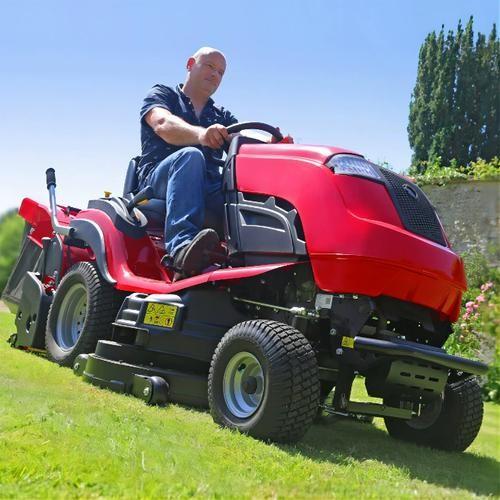
Picture this: it’s a bright Saturday morning, and you’re all set to mow your lawn—only to hear your mower crank weakly and then fall silent. This frustrating situation almost always traces back to one culprit: a weak or unsuitable battery.
The performance of your riding lawn mower depends heavily on its battery. Choosing the right one means reliable starts, consistent power, and fewer interruptions. Below, we’ll guide you through everything you need to know before purchasing a battery—from types and specs to pricing and replacement advice.
Knowing your battery options is the first step toward a smart choice:
- Lead-Acid Batteries (Flooded or AGM): The most common choice. Flooded types need regular maintenance like checking electrolyte levels. AGM (Absorbent Glass Mat) batteries are sealed, maintenance-free, and more resistant to vibration.
- Lithium Iron Phosphate (LiFePO4) Batteries: Lightweight, fast-charging, and built to last. Though pricier upfront, they deliver better performance, deeper discharge cycles, and minimal maintenance—making them a top-tier modern upgrade.
- Gel Cell Batteries: These use a gel electrolyte, making them spill-proof and safe. They require little upkeep but usually have a shorter lifespan than lithium options.
Pro Tip: For most homeowners or commercial users, a LiFePO4 battery offers the best balance of performance, safety, and long-term value.
- Voltage: Most riding mowers run on 12V systems, though some older models use 6V. Always match your mower’s specified voltage.
- Capacity (Ah): Measured in ampere-hours. Common ratings range from 18 Ah to 35 Ah. Higher capacity means longer runtime—great for larger lawns.
- Size: Typical group sizes are U1, U1R, and U1L. Check your owner’s manual to ensure a proper fit and correct terminal orientation.
- Weight: Lead-acid batteries usually weigh 15–25 lbs, while LiFePO4 models can weigh under 10 lbs, making them easier to handle and reducing strain on the mower.
Keep these factors in mind while comparing options:
- Battery Type: Pick based on your budget and needs.
- Voltage Compatibility: Must match your mower (typically 12V).
- Capacity (Ah): Higher Ah ratings support longer mowing sessions.
- Size & Fit: An improper fit can lead to poor connections or vibration damage.
- Cold-Cranking Amps (CCA): Higher CCA ensures reliable starts in cold weather.
- Maintenance: Decide if you prefer maintenance-free models like AGM or lithium.
- Price vs. Lifespan: Cheaper batteries often need replacing sooner.
Expert Insight: A well-cared-for LiFePO4 battery can last 5–10 years—often doubling the lifespan of many lead-acid models—making it a cost-effective investment over time.
Most last 3 to 5 years, depending on type, use, and maintenance. Extreme temperatures, improper charging, or long storage can shorten battery life.
Maintenance Tips:
- Keep terminals clean and free of corrosion.
- Recharge before storing during the off-season.
- Use a smart charger to avoid overcharging.
- Lead-Acid Batteries: $40 – $75 — budget-friendly but shorter-lived.
- Gel Cell Batteries: $75 – $150 — moderate price and maintenance needs.
- LiFePO4 Batteries: $100 – $250 — higher initial cost, but greater durability and efficiency lead to long-term savings.
A good charger helps extend battery life.
- Match the Voltage: Most mowers need a 12V charger.
- Amperage: Higher amps charge faster, but avoid overcharging.
- Smart Chargers: Automatically stop when full—better for safety and longevity.
- Battery Type Compatibility: Use a charger designed for your specific battery (AGM, flooded, or lithium).
- Slow or hesitant starting
- Needing frequent recharges
- Visible corrosion on terminals
- Battery is older than 3–5 years
- Dimming headlights or weak electrical accessories
Spotting these signs early helps prevent unexpected breakdowns.
1. Turn off the mower and remove the key.
2. Locate the battery (usually under the seat).
3. Disconnect the negative terminal (–) first, then the positive (+).
4. Remove the old battery and securely install the new one.
5. Reconnect the positive terminal first, then the negative.
6. Test-start the mower to confirm everything works.
7. Recycle the old battery at a designated center.
Selecting the right riding lawn mower battery is key to consistent performance and a longer equipment life. Whether you choose a traditional lead-acid battery or upgrade to a LiFePO4 model, prioritize compatibility, capacity, and reliability for the best results.
Next:HiTHIUM Debuts World's First Native 8-Hour Energy Storage Solution
Previous:HiTHIUM Unveils Three Breakthrough Innovations at Its Third Eco-Day