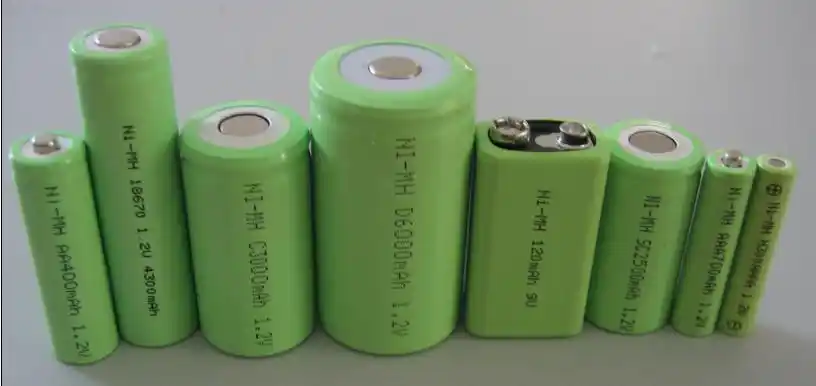
Nickel-Metal Hydride (NiMH) batteries are the unsung heroes of modern portable electronics. Powering everything from high-drain remote-controlled cars and power tools to everyday essentials like electric toothbrushes and digital cameras, these rechargeable cells offer a cost-effective and environmentally friendly alternative to disposable alkalines. Yet, the very chemistry that makes them powerful also renders them sensitive to how they’re treated when idle.
If you’ve ever grabbed a set of “charged” batteries only to find them dead—or, worse, leaking—you’ve likely been a victim of poor storage habits. Proper storage isn’t just about organization; it’s about preserving the electrochemical integrity of each cell. In this detailed guide, we’ll explore the science and best practices behind NiMH battery storage to ensure your investment delivers performance for years to come.
Before we cover the how, let’s understand the why. NiMH batteries are subject to self-discharge. Even when disconnected from a device, internal chemical reactions slowly deplete their stored energy. If voltage drops too low during storage, a battery can suffer permanent capacity loss or become “dormant,” requiring specialized equipment to revive it.
By following professional storage guidelines, you can minimize these risks, maintain a high cycle life, and ensure your devices are ready when you need them.
1. Organize and Separate Your Batteries
The first rule of professional battery management is organization. Tossing all your AA and AAA cells into one bin might seem convenient, but it’s asking for trouble.
Separate by Brand and Age
Not all NiMH batteries are identical. Different manufacturers use slightly varying chemical formulas and internal designs. Mixing brands or pairing old with new batteries increases the risk of cell reversal. During use, the weaker or older cell depletes faster, and the stronger battery may force current backward through the depleted one, potentially causing leaks or rupture.
Maintain “Matched Sets”
If you use multiple batteries together—say, four AAs in a vacuum cleaner or RC transmitter—keep that set together for life. They “age” at a similar rate, which helps balance internal resistance. Label sets with a marker or a small piece of tape to avoid accidental mixing.
2. Choose the Right Storage Containers
Your choice of container is the first defense against physical damage and electrical hazards.
Avoid the “Junk Drawer” Danger
Loose batteries are at risk of contacting metal objects like coins, paperclips, or other batteries. If the positive and negative terminals connect, a short circuit occurs, generating rapid heat. In extreme cases, this can lead to thermal runaway—a serious fire risk.
Best Storage Options
- Original Packaging: If you have new batteries you aren’t using yet, leave them in their factory-sealed blister packs.
- Plastic Battery Cases: Inexpensive, durable, and designed to keep terminals isolated.
- Terminal Protection: For larger NiMH packs without a case, cover contact points with electrical tape or plastic caps.
Pro Tip: Never store batteries in metal tins or ammo cans unless they’re lined with a non-conductive material like foam or plastic.
3. Charge to the “Sweet Spot”
The ideal state of charge (SoC) for storage is often debated. For NiMH cells, neither fully empty nor completely full is usually best.
The 80% Rule
For medium-term storage (1–3 months), aim for around 80% charge. This offers enough buffer to offset self-discharge without keeping the battery under the chemical strain of a full 100% charge.
Long-Term Storage (3+ Months)
If you’re storing batteries for a season, it’s safer to keep them at a full 100% charge. Since NiMH batteries can self-discharge 0.5%–1% per day, starting at full capacity helps prevent them from dropping into the critical low-voltage zone.
Never Store Fully Depleted
Avoid storing a NiMH battery at 0% charge. If voltage falls below roughly 1.0V per cell, the internal chemistry starts degrading. This can lead to permanent failure, turning your rechargeable battery into waste.
4. Manage Temperature Carefully
Temperature is the most influential factor in self-discharge rate. Heat accelerates chemical reactions, so batteries stored in a hot garage will die far faster than those kept in a climate-controlled space.
The Ideal Range
Standard NiMH batteries store best at room temperature—around 25°C (77°F), plus or minus a few degrees.
To Refrigerate or Not?
While cold slows self-discharge, using a refrigerator often introduces more risk than benefit:
- Condensation: Moisture can cause micro-shorts or internal corrosion.
- Expansion: Extreme cold may damage internal seals.
If you do use a fridge, place batteries in a vapor-proof, airtight bag and allow them to reach room temperature before use.
5. Control Humidity and Environment
Batteries need a stable environment. Their electrochemical makeup is sensitive to the air around them.
Target Humidity Level
Aim for 35%–65% humidity. Excess moisture can oxidize terminals, increasing electrical resistance and reducing efficiency.
Avoid Corrosive Conditions
Store batteries away from chemicals, cleaning supplies, or areas with corrosive fumes. A cool, dry closet is usually an ideal spot.
If maintenance seems too involved, consider Low Self-Discharge (LSD) batteries like Eneloop. These can retain up to 85% charge after a year of storage and are more forgiving regarding charge level than standard NiMH cells.
- “Wake-Up” Charge: Slowly discharge the battery in a low-drain device, then give it a full, slow charge.
- Cycling: It may take 2–3 full charge/discharge cycles to restore rated capacity.
- Check for Leaks: Before use, inspect the positive terminal for any white, crusty residue.
- Sort: Keep brands and ages separate.
- Protect: Use plastic cases to prevent shorts.
- Charge: Store at 80–100%; never at 0%.
- Cool: Maintain steady, room temperature.
- Dry: Avoid high humidity and condensation.
Proper storage is what separates a battery that lasts two years from one that lasts ten. Treat your NiMH cells with the care their chemistry demands, and they’ll be ready whenever you flip the switch.
Previous:EVE Energy 628Ah Energy Storage Battery Delivers Reliable Green Power to KLIA