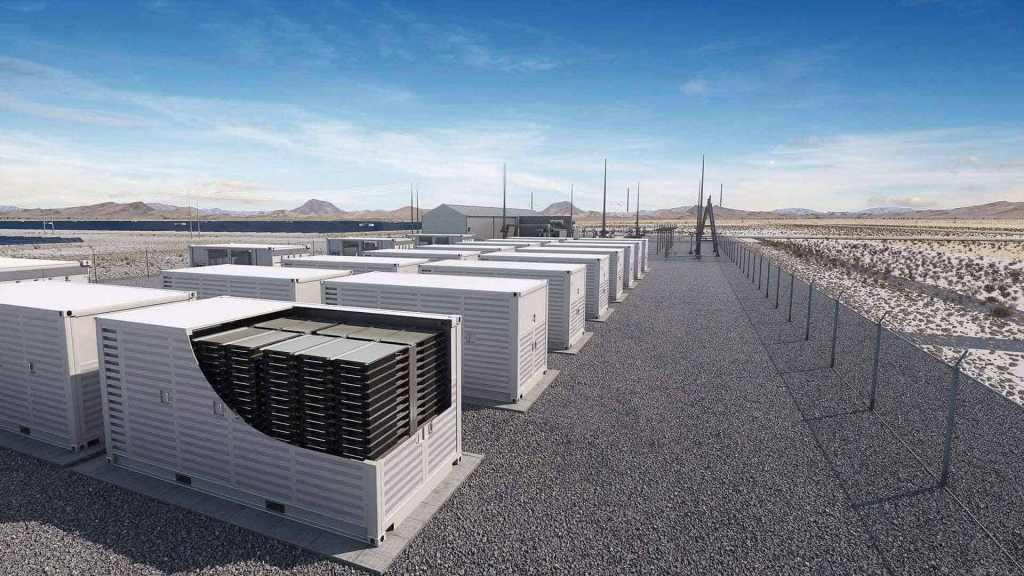
So, What Exactly Is a LiFePO4 Battery?
If you’ve been exploring solar energy solutions, you’ve almost certainly seen one term appear constantly: the LiFePO4 battery. This isn’t just another fleeting tech acronym—it marks a genuine breakthrough in how we store renewable energy. Short for Lithium Iron Phosphate, a LiFePO4 battery is a specific variety of lithium-ion cell that relies on iron phosphate for its cathode material. That single chemical shift might seem minor, but it completely transforms the battery’s behaviour, particularly in solar applications.
Imagine your solar setup as a rainwater harvesting system. The panels collect energy throughout the day, much like a rooftop catches rain. Without a storage tank, all that gathered resource simply drains away unused. LiFePO4 batteries play the role of that tank—a dependable, durable reservoir that holds onto energy until you actually need it.
What truly sets these batteries apart is their remarkable blend of safety, service life, and day-to-day performance. Unlike old-fashioned lead-acid units that degrade rapidly and demand frequent upkeep, LiFePO4 batteries are largely maintenance-free and designed for the long haul. Many owners report lifespans well over a decade, even with daily cycling.
Usability is another strong point. These batteries are noticeably lighter than older technologies, making them easier to install and more adaptable. Whether you’re powering a family home or an off-grid cabin, their flexibility appeals equally to newcomers and seasoned solar enthusiasts.
In plain terms, LiFePO4 batteries act as the steadfast backbone of modern solar power systems. They quietly store energy, release it smoothly, and keep everything running with hardly any attention.
How LiFePO4 Technology Works
You don’t need a chemistry degree to understand how a LiFePO4 battery operates—just a little curiosity. At its heart, the battery functions through the movement of lithium ions between two internal parts: the anode and the cathode. When your solar panels produce electricity, that energy drives lithium ions from the cathode over to the anode, effectively storing energy. When you draw power, the ions travel back, releasing the stored energy.
What makes LiFePO4 special is the controlled, stable nature of this movement. Picture a well-managed highway where traffic flows freely, without bottlenecks. That’s essentially what goes on inside these cells—ions shuttle back and forth efficiently, minimising internal wear over time.
Another standout trait is voltage consistency. Many batteries experience a gradual voltage drop as they discharge, which can cause appliances to underperform. LiFePO4 batteries, however, deliver a steady voltage throughout most of their discharge cycle. Your devices run smoothly, without irritating performance dips.
Efficiency is another major win. Round-trip efficiency frequently reaches 90–95%, meaning very little energy is lost between storage and retrieval. In practice, more of the power your panels generate actually gets put to use.
Charging speed is equally impressive. These batteries soak up energy quickly, which really counts during brief sunny spells or cloudy weather. Instead of wasting potential solar harvest, your system captures and preserves it efficiently.
All these attributes add up to a technology that feels almost seamless. You generate, store, and consume power without constantly fretting over performance drops or inefficiencies.
High Efficiency and Consistent Performance
Efficiency is where LiFePO4 batteries truly shine. When you invest in solar panels, you’re essentially gathering sunlight—so losing any of that energy during storage feels like letting money slip away. Thankfully, LiFePO4 batteries keep those losses to a minimum.
With efficiency ratings up to 95%, they comfortably outperform many traditional options. Compare that to lead-acid batteries, which routinely squander 20–30% of stored energy, and the contrast becomes stark. It’s like switching from a leaky bucket to a tightly sealed drum—nearly everything you store stays ready for use.
Performance consistency is another major advantage. These batteries provide a stable power output, which is especially critical for sensitive electronics. Whether it’s your fridge, laptop, or an entire household, steady voltage means everything runs reliably.
LiFePO4 batteries also readily support deep discharges. You can safely draw 80–90% of their capacity without causing damage—a huge improvement over older battery types that force you to leave a large portion unused to preserve lifespan.
Tolerance to temperature swings adds yet another layer of dependability. While no battery is entirely immune to extremes, LiFePO4 handles a broader range of conditions better than most, making it suitable for both hot climates and moderately cold regions.
In practical terms, choosing LiFePO4 means you get more usable energy, steadier performance, and far fewer headaches. It’s not just about storing electricity; it’s about doing it efficiently, every single day.
Exceptional Lifespan and Long-Term Durability
When people talk about LiFePO4 batteries, lifespan is usually the first thing they mention—and for good reason. These units are built to go the distance, routinely delivering between 4,000 and 6,000 charge cycles, and often more. That works out to roughly 10–15 years of faithful service in most solar setups.
To put that into context, conventional lead-acid batteries might only last a few hundred cycles before their performance nosedives. Replacing them every couple of years becomes both expensive and inconvenient. LiFePO4 batteries, by contrast, are more like a long-term asset that steadily pays for itself.
Durability extends well beyond just the cycle count. These batteries are engineered to withstand frequent charging, deep discharging, and varying environmental conditions without significant degradation. Even after years of use, many still retain around 80% of their original capacity.
Structural stability is another plus. They are far less prone to swelling, leaking, or internal damage compared to some other battery chemistries, making them a safer, more trustworthy choice for long-term installations.
Financially, the extended lifespan translates into a lower total cost of ownership. While the initial price tag may seem higher, the reduced need for replacements and maintenance makes them more economical over the years. Think of it like buying a premium appliance: you invest more upfront, but it performs so well and lasts so long that you save money—and stress—over time.
LiFePO4 vs. Lead-Acid Batteries
| Attribute | LiFePO4 Battery | Lead-Acid Battery |
| Lifespan | 4,000–6,000 cycles | 300–500 cycles |
| Efficiency | 90–95% | 70–80% |
| Maintenance | Minimal | High |
| Weight | Lightweight | Heavy |
| Depth of Discharge | 80–90% | ~50% |
LiFePO4 batteries surpass lead-acid in nearly every measurable area. The biggest differences are lifespan and efficiency, which directly impact long-term savings and everyday usability.
LiFePO4 vs. Other Lithium-Ion Batteries
Not all lithium batteries are created equal. Compared with other lithium-ion chemistries, LiFePO4 offers superior thermal stability and overall safety. While some lithium cells chase higher energy density, they can sacrifice stability in the process. LiFePO4 finds a sweet spot—slightly lower energy density but dramatically better safety and longevity. This makes it a perfect fit for stationary storage, where reliability matters far more than squeezing into the tiniest possible space.
The Role of Batteries in Solar Systems
Batteries form the core of any solar storage arrangement. Without them, surplus energy generated during the day is either lost or sent back to the grid. LiFePO4 batteries ensure that energy is efficiently banked and ready whenever you need it. They enable genuine energy independence, especially in off-grid settings, allowing users to store and consume their own power instead of depending on utility companies.
Integration with Inverters and Panels
A LiFePO4 battery doesn’t work in isolation—it’s part of a bigger picture that includes solar panels and an inverter. The inverter takes the stored DC energy and turns it into usable AC power for your home. Modern systems are designed for seamless integration, letting all the components communicate and automatically optimise performance.
Thermal Stability
One of the biggest worries with any battery is overheating. LiFePO4 batteries are renowned for their excellent thermal stability, which greatly reduces the risk of fire or explosion.
Built-in Battery Management System (BMS)
Most LiFePO4 batteries come with an integrated Battery Management System that continuously monitors voltage, temperature, and charge cycles. This smart safeguard ensures safe, efficient operation around the clock.
Upfront Investment vs. Long-Term Savings
While LiFePO4 batteries carry a higher initial cost, their long lifespan and high efficiency lead to substantial savings over time.
Cost per Cycle Breakdown
When you break down the expense per charge cycle, LiFePO4 often ends up cheaper than lead-acid alternatives, making it the savvier long-term investment.
Residential Use
Homeowners turn to LiFePO4 batteries for backup power, trimming electricity bills, and gaining freedom from the grid.
Commercial and Off-Grid Applications
Businesses and remote sites benefit from their rock-solid reliability and scalability, making these batteries ideal for larger, more demanding systems.
How Installation Typically Works
Installation generally involves connecting the battery to an inverter and the solar array. Professional installation is strongly recommended to ensure safety and optimal performance.
Maintenance Tips for a Long Service Life
LiFePO4 batteries need very little upkeep. Keeping them within the recommended temperature range and avoiding overcharging will help ensure a long and healthy life.
The Eco-Friendly Nature of LiFePO4
LiFePO4 batteries are non-toxic and considerably more environmentally friendly than many alternatives.
Recycling and Sustainability
They are also easier to recycle, contributing to a more sustainable energy ecosystem overall.
LiFePO4 batteries have rapidly become the benchmark for solar energy storage, and the reasons are clear. They combine efficiency, safety, and longevity in a way that older battery technologies simply cannot match. Whether you are building a home solar setup or planning an off-grid system, choosing the right battery is critical—and LiFePO4 consistently proves itself as the dependable, forward-thinking choice.
1. How long do LiFePO4 batteries typically last?
Usually 10 to 15 years, or about 4,000–6,000 charge cycles.
2. Are LiFePO4 batteries safe?
Yes, they are among the safest lithium battery chemistries available.
3. Can they be used for off-grid systems?
Absolutely—they are ideally suited for off-grid solar applications.
4. Are they worth the higher initial cost?
Yes, thanks to their long-term durability and significant savings over time.
5. How much maintenance do they require?
Very little compared to traditional battery types.
Inquire more product details from the: Lithium Ion Battery Suppliers
WhatsApp/Wechat/Mobile: +86 13326321310
Email: info@battery-energy-storage-system.com
Website: www.battery-energy-storage-system.com
Next:Hithium Debuts 8-Hour 6.9 MWh Energy Storage System in Australia
Previous:CATL Unveils China's First Standardized Battery Swap Ecosystem for Light Trucks