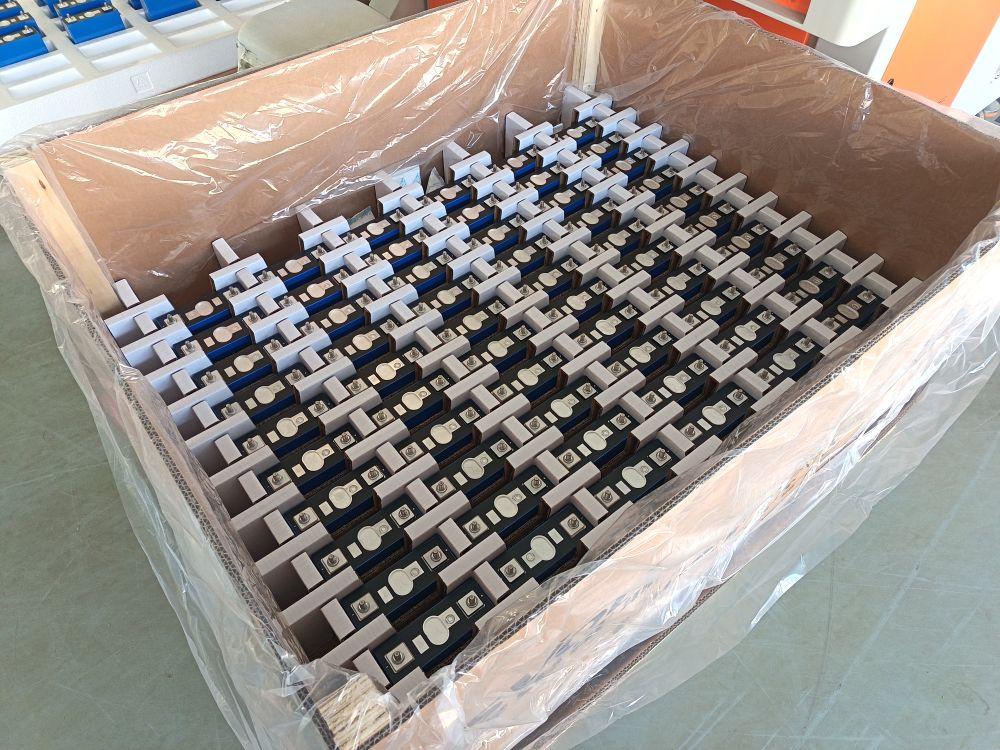
Picking the right battery isn’t just a technical checkbox anymore—it’s a strategic move that affects safety, your bottom line, and long-term efficiency. Among the options out there, Lithium Iron Phosphate (LiFePO4) batteries have stepped into the spotlight as a real powerhouse.
With the market expected to jump from USD 15.28 billion in 2023 to over USD 124 billion by 2033, it’s clear the industry is betting big on this chemistry. But does LiFePO4 make sense for what you need? This article breaks down the technical details, the financial realities, and how LiFePO4 stacks up against NCM, lead-acid, and up-and-coming solid-state alternatives.
Safer by Design: LiFePO4’s chemistry delivers solid thermal stability, slashing the fire risk compared to cobalt-based lithium batteries.
Worth the Investment: With a lifespan of 2,000 to 5,000 cycles, these batteries bring down the Total Cost of Ownership (TCO), even with a steeper initial price.
Greener Chemistry: No cobalt or nickel means LiFePO4 sidesteps ethical supply chain headaches and is simpler to recycle.
What Makes Lithium Iron Phosphate Tick?
LiFePO4 batteries use lithium iron phosphate for the cathode, rooted in the natural mineral triphylite. What sets this apart from standard lithium-ion options is its tough crystal structure. The bond between phosphorous and oxygen (the P-O bond) is exceptionally strong, giving the battery built-in thermal and chemical stability.
While other lithium chemistries chase maximum energy density—sometimes at the cost of stability—LiFePO4 plays it safe, focusing on longevity and reliability. That makes it a natural fit for stationary energy storage, industrial gear, and any setup where failure just isn’t an option.
Performance Metrics Worth Noting
LiFePO4 batteries deliver a nominal voltage of 3.2 volts, hitting 3.6 volts when fully charged. Sure, their energy density (100–180 Wh/kg) lags behind some nickel-based contenders, but it’s more than enough for most industrial and storage applications.
The real standout? Endurance. A standard lead-acid battery might conk out after 300 to 500 deep discharges. A quality LiFePO4 unit, on the other hand, keeps performing for over 5,000 cycles. Plus, these batteries charge fast—think 1–2 hours—cutting downtime compared to lead-acid systems that often need 5–10 hours.
Safety Showdown: LiFePO4 vs. Standard Lithium-Ion
For facility managers and system integrators, safety often seals the deal. Traditional lithium-ion batteries (like Lithium Cobalt Oxide) have a lower thermal runaway threshold, typically around 200°C. If they get damaged or overcharged, they can release oxygen, feeding intense fires.
LiFePO4 flips the script. It can handle internal temperatures up to 350°C without breaking down. That chemical toughness makes it the safest lithium option out there, virtually wiping out explosion risks during daily use.
The Economics of Longevity: TCO Breakdown
Procurement teams often flinch at LiFePO4’s upfront cost. But smart budgeting looks at the Total Cost of Ownership (TCO). With a lifespan of 10 to 15 years, you dodge the labor, downtime, and replacement expenses tied to lead-acid batteries (which typically need swapping every 3 to 5 years).
Here’s the bottom line: You buy one LiFePO4 battery for every three to four lead-acid ones you’d otherwise go through. Over a decade, that "pricey" lithium option ends up being the cheaper play.
Energy Density and Weight Trade-Offs
If your setup demands the lightest possible weight—say, for a long-range consumer drone or a sports car—LiFePO4 might not be your best bet.
NCM (Nickel Cobalt Manganese): High density (160–270 Wh/kg). Ideal for compact, mobile applications.
LiFePO4: Moderate density (100–180 Wh/kg). Best for stationary storage, heavy equipment, and vehicles where durability trumps weight.
Sustainability and Environmental Impact
Businesses today are under the gun to go green. LiFePO4 batteries help by ditching toxic heavy metals like cobalt and nickel, which come with environmental baggage and unethical mining baggage. Plus, the recycling infrastructure for LiFePO4 is growing, with refined processes that can cut emissions by nearly 20% compared to making virgin materials.
3.1 LiFePO4: The Reliable Workhorse
Pros:
Exceptional Cycle Life: Outlasts nearly every commercial alternative.
Thermal Safety: Perfect for high-temperature environments.
Steady Power: Holds voltage better during discharge than lead-acid.
Cons:
Initial Cost: Higher entry price.
Physical Size: A bit heavier and bulkier than NCM batteries.
3.2 NCM (Nickel Cobalt Manganese): The Performance King
NCM batteries dominate the EV scene (think Tesla) because they cram a lot of power into a small space. They also handle cold well, retaining decent capacity even at -20°C.
Drawbacks: They’re chemically touchy and rely on cobalt—a conflict mineral. They also need complex, pricey Battery Management Systems (BMS) to keep fires at bay.
3.3 LMFP (Lithium Manganese Iron Phosphate): The Hybrid
LMFP builds on LiFePO4 technology. By adding manganese, engineers have boosted energy density by about 15-20% and improved cold-weather performance.
Verdict: It’s a promising "middle ground" that keeps most of LiFePO4’s safety while nudging closer to NCM’s density.
3.4 Solid-State Batteries: The Future Frontier
Solid-state batteries swap the liquid electrolyte for a solid compound, theoretically hitting energy densities of 300–500 Wh/kg and lifespans beyond 10,000 cycles.
Reality Check: Promising as it sounds, this tech faces big manufacturing hurdles. Right now, high production costs and scalability issues mean it’s not a real commercial rival to LiFePO4 for mass-market use.
Optimizing Renewable Energy Storage
For solar and wind farms, weight doesn’t matter—longevity does. LiFePO4 is the undisputed champ here.
Deep Discharge Capability: Unlike lead-acid, which suffers if drained below 50%, LiFePO4 can handle deep discharges (up to 90-100%) without much wear.
Grid Stabilization: Its ability to cycle daily for over a decade makes it the smart financial pick for load shifting and peak shaving.
Heavy-Duty Industrial Equipment (Forklifts & AGVs)
In material handling, "opportunity charging" (topping up during breaks) is a game-changer.
Efficiency: LiFePO4 batteries boast charge/discharge efficiencies of 95-98%.
Durability: They shrug off the vibrations and physical shocks common in warehouses.
Maintenance: Zero upkeep—no watering, no acid equalization, no corrosion cleaning.
Backup Power and UPS Systems
When the grid goes down, reliability is all that counts. LiFePO4 batteries offer a low self-discharge rate (around 1-3% per month) compared to lead-acid. That means when an emergency hits, the power’s actually there.
For applications that need high energy density in a tight package, NCM still leads the pack. But for industrial use, renewable energy storage, and scenarios where safety, longevity, and environmental ethics take priority, LiFePO4 is the smarter choice. Switching to Lithium Iron Phosphate doesn’t just secure your power supply—it future-proofs your operations against rising costs and tighter environmental rules.
Why is LiFePO4 considered the safest lithium chemistry?
LiFePO4 has strong chemical bonds (P-O) that resist breaking. This stops oxygen from escaping during overheating, which is the main culprit behind "thermal runaway" (those intense fires) in other lithium batteries.
Is the higher upfront cost of LiFePO4 worth it compared to lead-acid?
Absolutely. You pay more upfront, but a LiFePO4 battery lasts up to 10 times longer than lead-acid. Factor in replacement costs, maintenance labor, and energy savings, and LiFePO4 ends up way cheaper over the long haul.
Can I use LiFePO4 batteries in freezing temperatures?
Standard LiFePO4 batteries can discharge in the cold, but you shouldn’t charge them below freezing (0°C) without damage. That said, many premium models now come with built-in self-heating features to get around this.
Does LiFePO4 contain rare earth or conflict minerals?
No. Unlike NCM batteries, which lean on cobalt (often mined under shady conditions) and nickel, LiFePO4 uses iron and phosphate—plentiful, non-toxic, and ethically sourced.
Next:Donut Lab Solid State Battery Pack Charges 10–50% in 5 Minutes in Motorcycle Test
Previous:Samsung SDI Vows to Protect Its Prismatic Battery Patent at InterBattery 2026