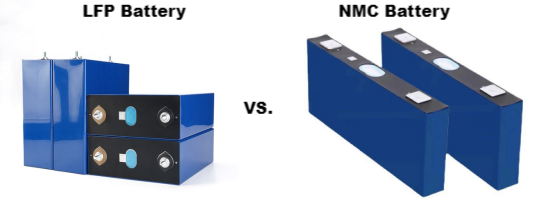
Lithium-ion batteries have transformed energy storage and electric mobility, yet selecting the right type can be difficult. Among the most widely used chemistries today are Lithium Iron Phosphate (LFP) and Nickel Manganese Cobalt (NMC) batteries. Each comes with distinct advantages and limitations, making them better suited for specific uses. This article offers a detailed comparison to help you determine which battery best matches your requirements.
Understanding LFP Batteries
LFP batteries use lithium iron phosphate (LiFePO₄) as the cathode material. With a nominal voltage of about 3.2 volts, they are highly regarded for exceptional safety and chemical stability. These qualities make them a popular choice for residential energy storage, solar PV systems, and various industrial applications.
Understanding NMC Batteries
NMC batteries feature a cathode composed of nickel, manganese, and cobalt, paired with a graphite anode. They operate at a higher nominal voltage—around 3.7 volts. Thanks to their superior energy density and performance, NMC batteries are the leading choice in the electric vehicle (EV) industry, used by brands such as Tesla and BYD.
1. Price Comparison
Cost plays a significant role in decision-making. Generally, NMC batteries are more expensive due to the higher cost of nickel and cobalt. LFP batteries rely on abundant, low-cost materials like iron and phosphate, though their manufacturing process is more complex. On average, LFP batteries are about 20% cheaper than NMC batteries of equivalent capacity.
2. Energy Density and Performance
NMC batteries lead in energy density, delivering more power per unit of weight and volume. This results in better acceleration and longer driving ranges in EVs. LFP batteries provide lower energy density but excel in long-term energy storage where safety and lifespan matter more than peak power.
Summary:
- NMC: Higher energy density, ideal for performance-driven applications like EVs.
- LFP: Lower energy density, better suited for stationary storage and long-term use.
3. Temperature Tolerance
Battery chemistry influences performance under temperature extremes:
- NMC batteries operate reliably across a broader temperature range, functioning well in both cold and hot conditions.
- LFP batteries show excellent high-temperature tolerance but lose performance in the cold. At 0°C, capacity may drop by 10–20%, and at -20°C, it can fall to around 60% of normal.
Thus, LFP is less optimal for cold climates but safer in hot environments.
4. Safety Considerations
Safety is critical for any battery system:
- LFP batteries are renowned for outstanding thermal stability, resisting overheating, fire, or explosion even under physical stress.
- NMC batteries carry a higher risk of thermal runaway, especially under high temperatures, raising concerns about fire hazards in certain uses.
5. Cycle Life and Durability
Cycle life refers to how many charge/discharge cycles a battery can handle before significant capacity loss.
- LFP batteries typically endure 3,000 to 6,000 cycles, offering remarkable longevity.
- NMC batteries usually last around 800 cycles, depending on usage conditions.
This highlights LFP’s clear advantage in durability.
6. Service Life
In practical terms:
- A well-maintained LFP battery can exceed 10 years, proving highly cost-effective for long-term applications.
- NMC batteries often last 2 to 3 years in high-demand settings like EVs, requiring earlier replacement.
Both LFP and NMC batteries offer unique benefits. Your choice should depend on your specific application and priorities:
| Criteria | LFP Battery | NMC Battery |
| Safety | Superior | Moderate |
| Energy Density | Moderate | High |
| Cost | Lower | Higher |
| Cycle Life | 3,000–6,000+ cycles | ~800 cycles |
| Temperature Range | Better in heat, weaker in cold | Balanced tolerance |
| Typical Uses | Energy storage, residential, industrial | EVs, performance-demanding devices |
In summary:
- Choose NMC batteries if you need high performance and energy density, such as for electric vehicles or portable electronics.
- Opt for LFP batteries when safety, longevity, and cost-effectiveness are top priorities, especially for stationary storage or solar systems.
For everyday consumers and DIY energy storage projects, LFP batteries remain the top recommendation thanks to their strong safety profile and extended service life.
If you’re considering an upgrade for your energy system or EV battery pack, understanding these key differences will guide you toward the ideal chemistry. Explore our selection of LFP and NMC batteries to find a solution that balances safety, performance, and value.
Contact us today for expert advice and customized battery solutions that deliver reliable, efficient power for your future!
Next:Samsung SDI Secures 10GWh LFP ESS Battery Contract Through 2030
Previous:CATL Debuts New 5C Ultra-Fast Charging Battery