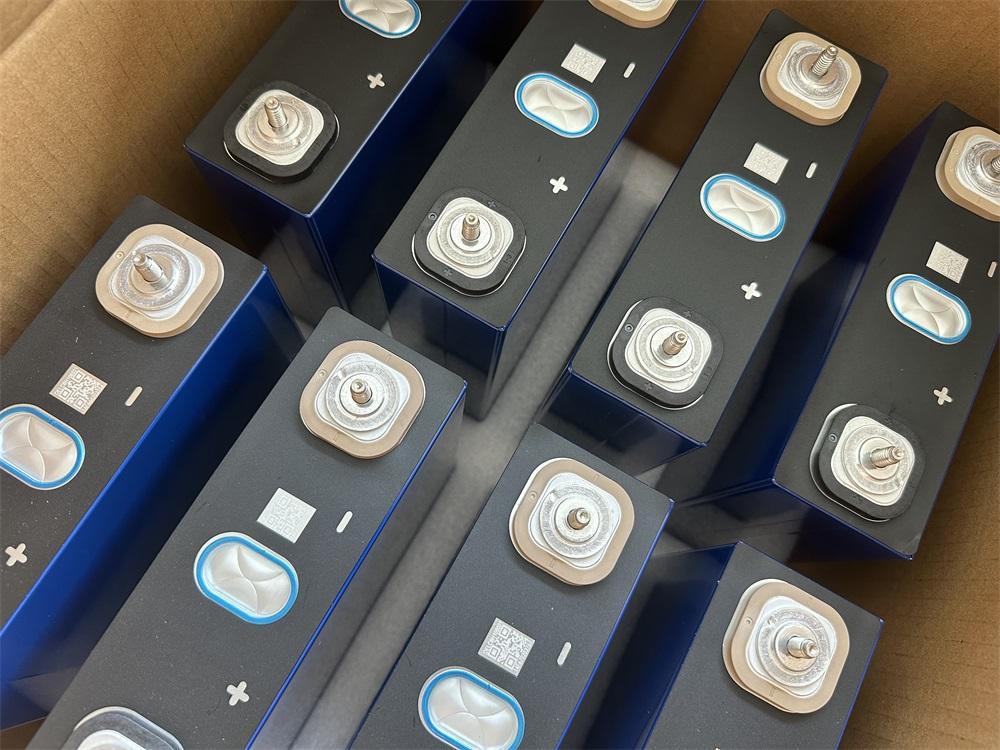
Lithium iron phosphate (LiFePO4) batteries are now widely considered for stationary energy storage, marine power systems, recreational vehicles, and industrial equipment. Their reputation for thermal stability and long service life naturally raises a question: does that mean they are completely safe? There is no battery chemistry that carries zero risk. Any energy storage device, regardless of type, can become hazardous if mistreated, damaged, or installed incorrectly. Even so, LiFePO4 offers chemical and structural features that place it among the safest commercial lithium-ion options. This assessment examines the technical basis for that reputation, the protective function of the battery management system (BMS), common failure pathways, and the practices that integrators and procurement teams should follow. These factors are essential for specification decisions and for designing systems that remain safe and effective throughout their service life.
For any lithium-ion battery, the primary hazard is thermal runaway—a self-sustaining exothermic chain in which rising temperature drives reactions that generate additional heat, further accelerating those reactions. If not interrupted, thermal runaway can produce smoke, fire, venting of flammable gases, and in severe cases, explosion.
Thermal runaway is not unique to LiFePO4. It applies to all lithium-ion chemistries. What differs is the temperature at which the reaction begins, how much energy is released, and whether the cathode supplies oxygen to the reaction. These variations explain why some chemistries are considered intrinsically safer than others.
For commercial energy storage integrators, thermal runaway is not merely a theoretical concern. A battery fire in an installation can damage property, disrupt operations, attract regulatory scrutiny, and, in the worst case, cause injury or death. Choosing the right chemistry and designing suitable safeguards is both an engineering obligation and a business necessity.
Highly publicized battery fire incidents—in phones, laptops, electric vehicles, and occasionally storage systems—have shaped a public belief that lithium batteries are inherently dangerous. Context is necessary.
Failures are statistically uncommon. Millions of lithium batteries operate safely every day in consumer electronics, vehicles, and stationary storage. A single failure receives extensive coverage precisely because it is rare, while the vast majority of batteries operating without incident attract no attention.
This does not mean safety concerns should be dismissed. It means risk should be assessed through data and engineering analysis, not sensational headlines. For LiFePO4, available evidence consistently indicates lower thermal runaway risk and less severe failure outcomes than higher-energy-density lithium chemistries—a fact that has helped accelerate adoption in stationary storage.
The most significant safety advantage of lithium iron phosphate chemistry is its thermal stability. The LiFePO4 cathode crystal structure resists breakdown at elevated temperatures.
Thermal runaway onset temperature—the point at which exothermic reactions begin to self-accelerate—is a key comparison metric. Typical values are:
- LiFePO4: Approximately 270°C (518°F) or higher
- NMC (Nickel Manganese Cobalt): Approximately 180–210°C (356–410°F)
Because LiFePO4 can withstand higher temperatures, more overcharge, and greater external heating before entering a self-sustaining reaction, system designers and operators gain a larger safety margin.
The LiFePO4 cathode is also chemically robust. The phosphate group (PO₄) forms strong covalent bonds that maintain the crystal structure under stress. This reduces the likelihood that the cathode will decompose and release energy under abnormal conditions.
Layered oxide cathodes used in NMC and NCA batteries are less structurally stable and begin decomposing at lower temperatures, releasing both energy and oxygen. The same stability that protects LiFePO4 also contributes to its long cycle life: the cathode resists degradation during repeated cycling, preserving both capacity and safety characteristics over thousands of cycles.
An important but often overlooked difference is that the LiFePO4 cathode does not release significant oxygen during thermal decomposition. Oxygen fuels combustion. When a cathode releases oxygen during a thermal event, the fire becomes more intense and harder to extinguish.
NMC and NCA cathodes, by contrast, release oxygen as they decompose at high temperatures. This is one reason thermal runaway in those batteries can be more violent and more difficult to control.
The combination of a higher onset temperature, structural stability, and minimal oxygen release makes LiFePO4 substantially less prone to catastrophic thermal events than other common lithium-ion chemistries. This is the technical basis for its safety reputation.
Every modern LiFePO4 pack relies on a battery management system (BMS), the electronic control unit that provides active protection. While the chemistry supplies inherent margins, the BMS prevents abnormal conditions from exceeding those margins.
A well-designed BMS continuously monitors and protects against:
- Overvoltage: Prevents charging above the safe upper limit, typically 3.60–3.65V per cell for LiFePO4.
- Undervoltage: Prevents discharging below the safe lower limit, typically 2.5–2.8V per cell.
- Overcurrent: Limits charge and discharge current to safe levels.
- Short circuit: Detects and disconnects in the event of a short.
- Overtemperature: Monitors cell and pack temperature and disconnects if limits are exceeded.
- Undertemperature: Prevents charging at very low temperatures where lithium plating can occur.
When a parameter exceeds its limit, the BMS can disconnect the battery from the load or charger using MOSFET switches, preventing further damage. This active protection is essential; even a safe chemistry can be harmed by sustained abuse.
Beyond fault protection, the BMS balances cells—equalizing state of charge across a series string. Over time, manufacturing differences and varying operating conditions cause individual cells to drift in voltage and capacity. If left unbalanced, the weakest cell limits pack capacity and may experience overvoltage or undervoltage.
A quality BMS uses passive balancing (dissipating excess energy from high cells through resistors) or active balancing (transferring energy between cells) to maintain uniform voltages. Good balancing improves performance, extends service life, and prevents conditions that can lead to safety issues.
The BMS also provides monitoring and data logging, enabling operators to track battery health, detect developing problems early, and maintain records for maintenance and regulatory purposes.
A BMS is not a substitute for sound system design. It protects against electrical faults but not against:
- Physical damage or cell puncture
- External fire exposure
- Improper installation or wiring errors
- Manufacturing defects in cells or components
- Environmental conditions beyond the pack’s rating
A complete LiFePO4 system therefore requires multiple protection layers beyond the BMS: fuses or circuit breakers on the DC output, proper insulation and separation of high-voltage components, suitable enclosures, thermal management where needed, and compliance with standards such as UL 1973, IEC 62619, or UN 38.3.
The most common comparison in energy storage is between LiFePO4 and NMC/NCA. From a safety standpoint, the differences are substantial:
| Factor | LiFePO4 | NMC / NCA |
| Thermal runaway onset | ~270°C+ | ~150–210°C |
| Oxygen release during decomposition | Minimal | Significant |
| Energy density | 90–160 Wh/kg | 150–250 Wh/kg |
| Cycle life | 3,000–6,000+ cycles | 1,000–3,000 cycles |
| Thermal management requirement | Moderate | Higher |
| Typical safety profile | Lower risk | Higher risk |
NMC and NCA batteries provide higher energy density, making them preferred for electric vehicles and portable electronics where size and weight are critical. For stationary storage, where footprint is less constrained and safety is paramount, LiFePO4’s lower thermal risk and longer cycle life generally make it the more suitable choice.
This does not mean NMC storage systems are unsafe. With robust thermal management and fire suppression, they can be operated safely. However, LiFePO4’s inherent margins reduce engineering burden and the consequences of failure.
LiFePO4 is also compared with lead-acid, especially in RV, marine, and backup applications. The two have different risk profiles rather than one being universally safer.
Lead-acid hazards include:
- Hydrogen generation: Flooded lead-acid batteries release hydrogen during charging, creating explosion risk in enclosed spaces.
- Corrosive electrolyte: Sulfuric acid can cause burns and damage equipment if spilled.
- Sulfation: Improper charging leads to sulfation, reducing capacity and potentially causing internal shorts.
LiFePO4 eliminates these specific hazards: no hydrogen emission, no corrosive acid, and sealed construction. However, it introduces lithium-ion-specific considerations such as BMS requirements and thermal management.
For most applications, a properly engineered LiFePO4 battery offers a favorable safety profile plus performance advantages over lead-acid, including higher usable capacity, longer cycle life, lighter weight, and lower maintenance.
The most common cause of lithium battery failure is electrical abuse—operating outside specified limits. This includes:
- Overcharging: Charging above the upper voltage limit causes lithium plating on the anode, electrolyte decomposition, and internal heat.
- Over-discharging: Discharging below the lower voltage limit can damage the anode current collector and cause internal shorts.
- Overcurrent: Exceeding maximum charge or discharge current generates excessive heat through internal resistance.
- Short circuits: A direct short between terminals delivers extremely high current, generating intense heat almost instantly.
- Incorrect charger: Using a charger for a different chemistry or voltage can cause overcharging or undercharging.
A functioning BMS should prevent most of these conditions, but BMS failures, wiring errors, or bypassing the BMS can expose cells to damaging electrical conditions.
Physical damage is another major failure cause, particularly in mobile applications:
- Puncture: A nail, screw, or sharp object penetrating a cell can create an internal short.
- Crush or impact: Severe impact can deform cells, damage separators, and cause internal shorts.
- Vibration: Chronic vibration can loosen connections, damage welds, and accelerate wear.
- Water immersion: Water ingress can cause corrosion and short circuits, especially if the enclosure seal is compromised.
In stationary storage, physical damage is less common but can occur during installation, maintenance, or external events such as building damage or equipment failure. Proper enclosure design, secure mounting, and clear maintenance procedures reduce these risks.
Even under ideal conditions, batteries can fail due to manufacturing or assembly defects:
- Internal contaminants: Metallic particles or other contaminants introduced during cell manufacturing can cause internal shorts.
- Separator defects: Thin spots, tears, or misalignment can allow internal shorting.
- Poor welds: Weak or incomplete welds on cell tabs or busbars create high-resistance connections that generate heat.
- Incorrect assembly: Reversed cells, improper insulation, or wiring errors during pack assembly can create dangerous conditions.
- Inadequate testing: Failure to detect defects during quality control allows defective products to reach customers.
For this reason, buyers should obtain LiFePO4 cells from established suppliers that apply strict quality control. A low-cost battery from an unqualified supplier may carry hidden defects that lead to premature failure or safety incidents.
Operating batteries outside their specified temperature range accelerates degradation and can lead to failure:
- High temperatures: Sustained operation above 45–50°C accelerates electrolyte decomposition and SEI layer growth, reducing capacity and increasing internal resistance.
- Low-temperature charging: Charging below 0°C causes lithium plating on the anode, which is irreversible and can lead to internal shorts.
- Thermal cycling: Repeated heating and cooling causes mechanical stress from expansion and contraction, potentially damaging internal connections over time.
- Direct sunlight or heat source exposure: External heating can raise cell temperatures beyond safe limits.
For outdoor containerized storage in hot climates, active thermal management (cooling) is essential to keep batteries within their optimal range and prevent accelerated degradation.
Using the correct LiFePO4 charger is one of the simplest and most important safety practices. A charger designed for lead-acid or NMC batteries will have incorrect voltage setpoints and may overcharge or undercharge LiFePO4 cells.
Key charging requirements:
- Charge voltage: 3.60–3.65V per cell (14.4–14.6V for a 12V pack, 28.8–29.2V for 24V, 57.6–58.4V for 48V).
- Charge current: Within the manufacturer’s specified maximum, typically 0.2C–0.5C for standard cells.
- Temperature range: Charge only within 0°C–45°C unless the BMS includes low-temperature charging protection.
- CC/CV profile: Use a charger that implements the constant current / constant voltage profile appropriate for LiFePO4.
Always verify that the charger is explicitly rated for LiFePO4 chemistry and matches the battery’s voltage configuration.
Proper installation is critical:
- Correct polarity: Never reverse positive and negative connections—this can destroy the BMS and create a safety hazard.
- Appropriate wire gauge: Use wire sized for the maximum continuous current to prevent voltage drop and overheating.
- Overcurrent protection: Install a fuse or circuit breaker on the positive DC output, rated appropriately for the system.
- Insulation: Ensure all high-voltage connections are properly insulated and protected from accidental contact.
- Secure mounting: Mount batteries securely to prevent movement, vibration damage, or accidental disconnection.
- Ventilation: While LiFePO4 batteries do not emit gas during normal operation, provide adequate ventilation for thermal management and in case of abnormal venting.
- Clearance: Maintain adequate clearance around the battery for heat dissipation and maintenance access.
For larger systems, follow applicable electrical codes and standards, and consider having the installation inspected by a qualified electrician.
Maintaining batteries within their optimal operating temperature range—typically 15–30°C for best performance and longevity—is important for both safety and service life:
- Indoor installations: Ensure the battery room or enclosure is climate-controlled or at least protected from extreme temperatures.
- Outdoor installations: Use insulated enclosures with active heating and cooling where ambient temperatures exceed the battery’s operating range.
- Avoid direct sunlight: Never install batteries in direct sunlight or near heat sources.
- Monitor temperature: Use the BMS’s temperature monitoring to track battery temperature and receive alerts if limits are approached.
- Cold weather charging: If charging below 0°C, ensure the BMS includes low-temperature charging protection or use a battery heater.
For commercial energy storage in extreme climates, thermal management is not optional—it is a necessary component of safe, reliable operation.
Regular maintenance and inspection help identify developing problems before they become safety incidents:
- Visual inspection: Periodically inspect for swelling, leakage, corrosion, or physical damage.
- Connection check: Verify all electrical connections are tight and free of corrosion.
- BMS monitoring: Review BMS data for cell voltage imbalance, temperature anomalies, or fault codes.
- Capacity testing: Periodically verify the battery delivers its rated capacity.
- Cleanliness: Keep the battery and surrounding area clean and free of debris, dust, and combustible materials.
- Firmware updates: Keep BMS firmware up to date per the manufacturer’s recommendations.
A documented maintenance schedule, with records of inspections and corrective actions, is good engineering practice and may be required by insurers or regulators.
The question “How safe are LiFePO4 batteries?” has a nuanced answer. Lithium iron phosphate chemistry is genuinely one of the safest lithium-ion technologies available, with a higher thermal runaway threshold, greater structural stability, and minimal oxygen release compared with NMC and NCA. These inherent characteristics provide meaningful safety margins that have made LiFePO4 the preferred chemistry for stationary energy storage, residential battery storage, RV, marine, and industrial applications where safety is a priority.
However, inherent chemistry safety is only one layer. A safe LiFePO4 system requires a properly designed BMS, quality cells from reputable manufacturers, correct installation with appropriate overcurrent protection, a compatible LiFePO4 charger, adequate thermal management, and regular maintenance. Any weak link—a manufacturing defect, a wiring error, an incorrect charger, or neglected maintenance—can compromise the safety the chemistry otherwise provides.
For integrators and procurement teams, the practical conclusion is clear: LiFePO4 is an excellent safety choice, but it must be specified, installed, and maintained correctly. Select quality products from reputable suppliers, follow manufacturer specifications, design appropriate system-level protections, and implement regular inspection and maintenance. When these practices are followed, LiFePO4 batteries offer an exceptional combination of safety, long cycle life, high usable capacity, and low maintenance—making them one of the most reliable energy storage technologies available today.
Ultimately, safety is not a single property of the cell chemistry; it emerges from the entire system. A safe chemistry is a foundation, not a guarantee. Build on that foundation with good engineering, quality components, and proper operation, and you can achieve the reliable, safe performance that LiFePO4 technology is capable of delivering.
Generally, LiFePO4 is regarded as one of the safest mainstream lithium-ion chemistries. Its thermal runaway onset temperature is higher—around 270°C+ versus roughly 180–210°C for NMC—and it releases minimal oxygen during thermal decomposition. These traits reduce both the likelihood and severity of thermal events. However, “safer” does not mean “risk-free.” LiFePO4 batteries can still fail under severe abuse, physical damage, manufacturing defects, or improper installation.
Yes, though the risk is much lower than with other lithium chemistries. LiFePO4 batteries contain flammable electrolyte and store significant electrical energy. Under extreme conditions—severe puncture, external fire, sustained overcharging, or an internal short from manufacturing defects—a LiFePO4 battery can enter thermal runaway and potentially catch fire. The key difference is that more extreme conditions are required, and the resulting event is typically less violent than with NMC or NCA because there is no significant oxygen release.
Absolutely. A BMS is essential for safe operation. It protects against overvoltage, undervoltage, overcurrent, short circuits, and overtemperature—conditions that can damage cells and create safety risks. It also balances cells to maintain uniform voltage across the series string, improving performance and preventing individual cell abuse. Never use a LiFePO4 battery without a properly functioning BMS, and never bypass or disable BMS protection features.
Most LiFePO4 batteries are specified for:
- Discharge: -20°C to 60°C (-4°F to 140°F)
- Charging: 0°C to 45°C (32°F to 113°F)
- Storage: -20°C to 45°C, with 30–50% state of charge for long-term storage
- Optimal operating range: 15°C to 30°C (59°F to 86°F)
Charging below 0°C is particularly dangerous because it can cause irreversible lithium plating on the anode, which can lead to internal short circuits. For cold-environment charging, use a BMS with low-temperature charging protection or a battery heater.
Key factors include:
- Manufacturer reputation: Choose established manufacturers with documented quality control.
- Certifications: Look for UL 1973, IEC 62619, UN 38.3, and other relevant safety certifications.
- BMS quality: Verify comprehensive protection (overvoltage, undervoltage, overcurrent, short circuit, temperature) and cell balancing.
- Cell grade: Use cells designed for energy storage, not repurposed or consumer-grade cells.
- Construction quality: Check for robust enclosures, proper insulation, secure connections, and appropriate wire gauges.
- Warranty and support: A meaningful warranty and responsive technical support indicate manufacturer confidence.
- Third-party testing: Independent test reports or certifications provide objective verification of safety and performance claims.
Welcome to contact us:
Inquire more product details from the: Lithium Ion Battery Suppliers
WhatsApp/Wechat/Mobile: +86 13326321310
Email: info@battery-energy-storage-system.com
Website: www.battery-energy-storage-system.com
Ready to power your energy systems with the best in the industry?
Contact us today to get the latest pricing and discuss your needs with our team!
Next:50 pcs CALB 3.2V 100Ah LiFePO4 Cells Shipped to Poland
Previous:200 Pcs of 206Ah, 600 Pcs of 230Ah, and 100 Pcs of 280Ah LiFePO4 Cells Shipped to Thailand