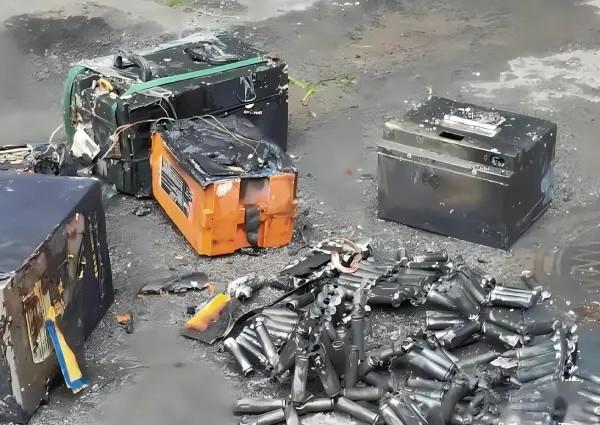
When a lithium-ion battery fails, the consequences can be disastrous.
During a critical event known as thermal runaway, the fire temperature of a lithium battery can rapidly escalate to extreme levels—typically ranging from 200°C (392°F) to over 1,000°C (1,832°F). Although high-performance batteries are engineered to endure internal temperatures up to 800°C, exposure to external heat or internal faults that push temperatures above just 60°C can dramatically increase the risk of fire.
Grasping this temperature range isn’t just a technical exercise—it’s essential for safeguarding electric vehicles (EVs), energy storage systems, and consumer electronics. Proper thermal management not only prevents dangerous situations but also preserves system integrity.
- Intense Heat: In thermal runaway, lithium-ion batteries can reach temperatures between 200°C and 1,000°C.
- BMS Is Critical: A well-designed Battery Management System (BMS) serves as your primary defense, monitoring individual cells to prevent overheating before it begins.
- Know the Causes: Identifying triggers—like overcharging, physical damage, or external heat—is key to prevention.
What Is Thermal Runaway?
Thermal runaway is a dangerous chain reaction inside a lithium-ion battery. It begins when the battery enters an uncontrollable self-heating state. This happens when the heat generated inside the cell outpaces the heat being released. The excess heat fuels further chemical reactions, which in turn generate even more heat.
This process can be triggered by physical impact (such as a crash), electrical abuse (like overcharging), or exposure to high external temperatures. Once the reaction starts, the battery releases flammable gases—including methane, hydrogen, and carbon monoxide—that can easily ignite, causing intense fires.
In multi-cell battery packs—common in EVs and robotics—the risk multiplies. Heat from a single failing cell can spread to nearby cells, setting off a chain reaction that can destroy the entire system.
How Temperatures Reach 1,000°C
What makes these fires so incredibly hot? It comes down to chemistry. As internal temperatures climb, the electrolyte breaks down and the cathode material decomposes. These are exothermic reactions, meaning they release energy in the form of heat.
This chemical breakdown can drive lithium-ion battery fire temperatures past 1,000°C (1,832°F). At this point, the fire becomes self-sustaining and extremely hard to extinguish. For industrial and infrastructure applications, this highlights the urgent need for advanced monitoring systems capable of detecting temperature spikes milliseconds before they become critical.
Battery failures rarely happen without warning. The main causes fall into three categories: mechanical, electrical, and thermal abuse. Recognizing these can help you strengthen your safety measures.
| Trigger Category | Description | The Consequence |
| Mechanical Abuse | Damage from collisions, punctures, or crushing forces | Causes internal short circuits that instantly generate intense heat spots |
| Overcharging | Charging beyond the battery's maximum voltage | Leads to electrolyte breakdown and gas buildup, increasing internal pressure |
| SEI Breakdown | Deterioration of the Solid Electrolyte Interphase layer on the anode | Removes the protective barrier, allowing uncontrolled chemical reactions |
To reduce these risks, prioritize high-quality manufacturing and handle battery packs with care. A damaged SEI layer or a faulty charger is often all it takes to trigger a disaster.
1. Battery Chemistry Matters
Not all lithium batteries behave the same way in a fire. The cathode's chemical makeup plays a major role in determining fire temperature and overall stability.
- LiFePO₄ (LFP): Known for excellent thermal stability. Thermal runaway usually requires higher starting temperatures (200°C–300°C), and fires tend to be less violent.
- NMC (Nickel Manganese Cobalt): Offers higher energy density but is more volatile. Thermal runaway can begin at lower temperatures (150°C–250°C), and the resulting fire is often more intense.
2. State of Charge (SOC)
The amount of energy stored in the battery acts as fuel for the fire. A fully charged battery (100% SOC) holds a large amount of potential energy. If thermal runaway occurs at full charge, the reaction is faster, hotter, and more likely to spread to other cells.
Proven Prevention Strategies
Preventing thermal runaway requires a multi-layered approach that combines materials science, engineering, and intelligent software.
- Material Innovation: Developing non-flammable electrolytes and more stable cathode materials.
- Advanced Cooling: Using liquid cooling systems in EV battery packs to actively remove heat.
- Data and AI: Modern BMS platforms analyze usage patterns to predict and prevent failures before they occur.
Ensuring your battery systems are safe demands expert design and engineering. For high-quality battery packs tailored to your specific voltage and safety needs, contact our team at BESS today.
1. What should I do immediately if a lithium-ion battery catches fire?
Evacuate the area at once. Use a Class D fire extinguisher or plenty of sand to smother the flames. Avoid breathing in the toxic fumes.
2. Can a battery explode without warning?
Yes. If an internal short circuit happens suddenly—due to physical damage, for example—it may bypass the "smoking" stage and explode. Regular inspections are essential for early detection and prevention.
Next:Gotion Finalizes Design for 2 GWh Solid State Battery Commercial Line
Previous:EVE Energy and ARCTECH Sign 12 GWh Energy Storage Agreement