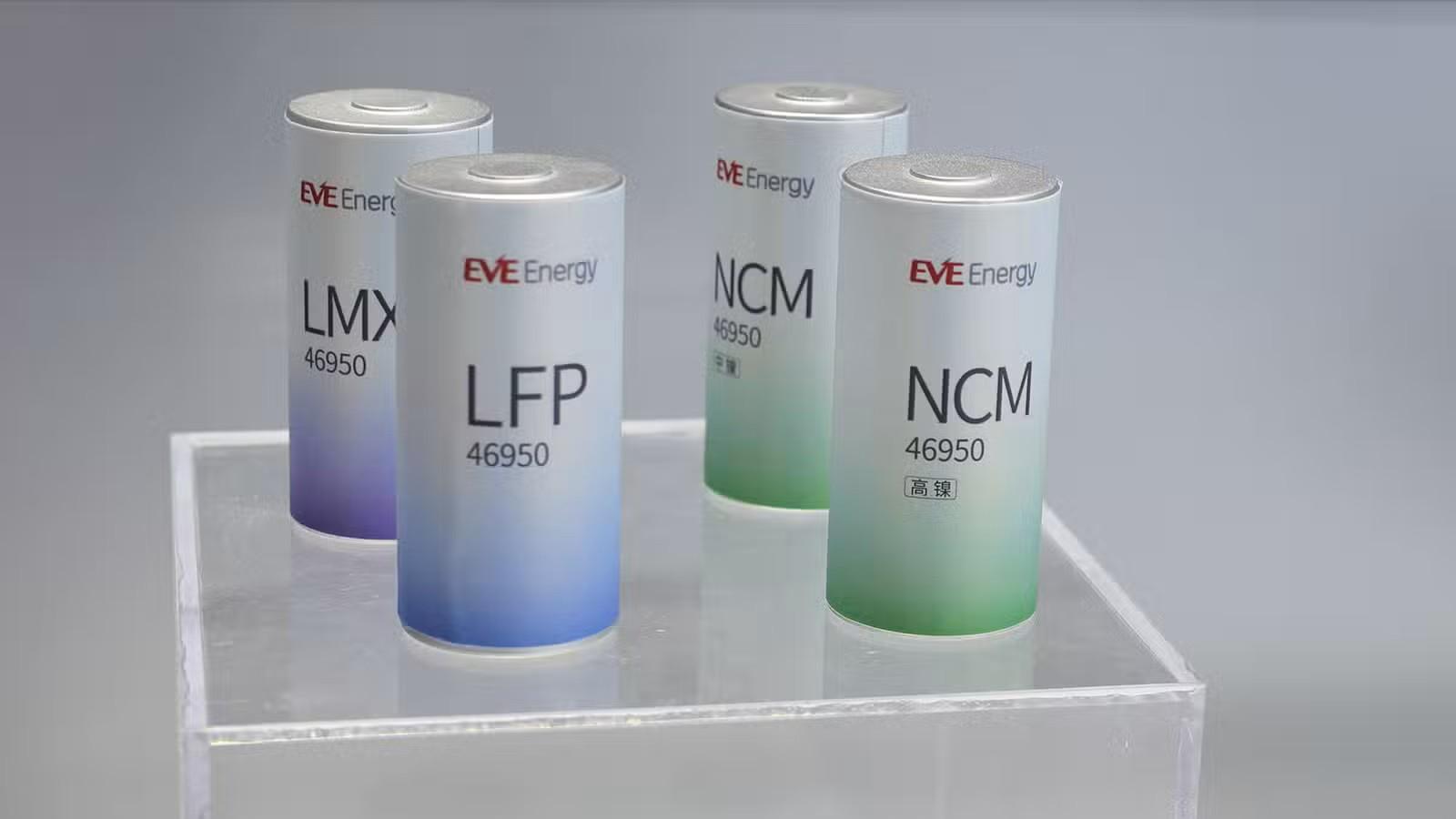
China’s Ministry of Finance, the General Administration of Customs and the State Taxation Administration have jointly announced that lithium-ion batteries and several other battery categories will face a new consumption tax starting September 1, 2026. Under the new rules, a 2 percent levy will be applied to lithium-ion batteries, lithium primary cells, mercury-free primary batteries, nickel-metal hydride batteries and vanadium redox flow batteries from September 2026, increasing to 4 percent on September 1, 2027. The move brings to an end an 11-year exemption that was originally put in place to encourage energy conservation and environmental protection.
By contrast, sodium-ion batteries, solid-state batteries, fuel cells and emerging photovoltaic cell technologies—including perovskite, tandem and gallium arsenide cells—will stay exempt from the consumption tax until December 31, 2028. Conventional photovoltaic cells will generally be subject to a 2 percent levy from April 1, 2027, which will rise to 4 percent from April 1, 2028, while next-generation PV cells retain their tax-free status through the end of 2028.
The adjustment represents a systematic removal of most items from China’s 2015 battery tax-exemption list, bringing the tax rate into line with the standard 4 percent that previously applied to lead-acid batteries and comparable products. Companies that wish to qualify for the reduced or zero-rate treatment must meet national standards and submit compliance test reports when applying for the incentive.
Lithium-ion technology remains dominant in China’s electric vehicle powertrains. According to the China Automotive Battery Innovation Alliance, installed power battery volume reached 335.6 GWh in the first half of 2026, up 12 percent year-on-year. At the same time, the new energy vehicle penetration rate has continued to climb, with NEVs accounting for 54 percent of passenger car retail sales in the first half of 2026, following sales of 16.49 million NEV units in 2025.
This battery tax adjustment follows earlier announcements that certain vehicle and vessel tax exemptions for plug-in hybrid and battery-electric commercial vehicles will cease in 2027. Together, these policy shifts support China’s goal of having new energy vehicles make up 30 percent of its passenger car fleet by 2030.
Welcome to contact us:
Inquire more product details from the: Lithium Ion Battery Suppliers
WhatsApp/Wechat/Mobile: +86 13326321310
Email: info@battery-energy-storage-system.com
Website: www.battery-energy-storage-system.com
Ready to power your energy systems with the best in the industry?
Contact us today to get the latest pricing and discuss your needs with our team!
Next:Customized 36V 14Ah LiFePO4 Battery Pack for Ebike
Previous:24V 100A and 48V 150A Lithium Battery Chargers Shipped to Taiwan, China