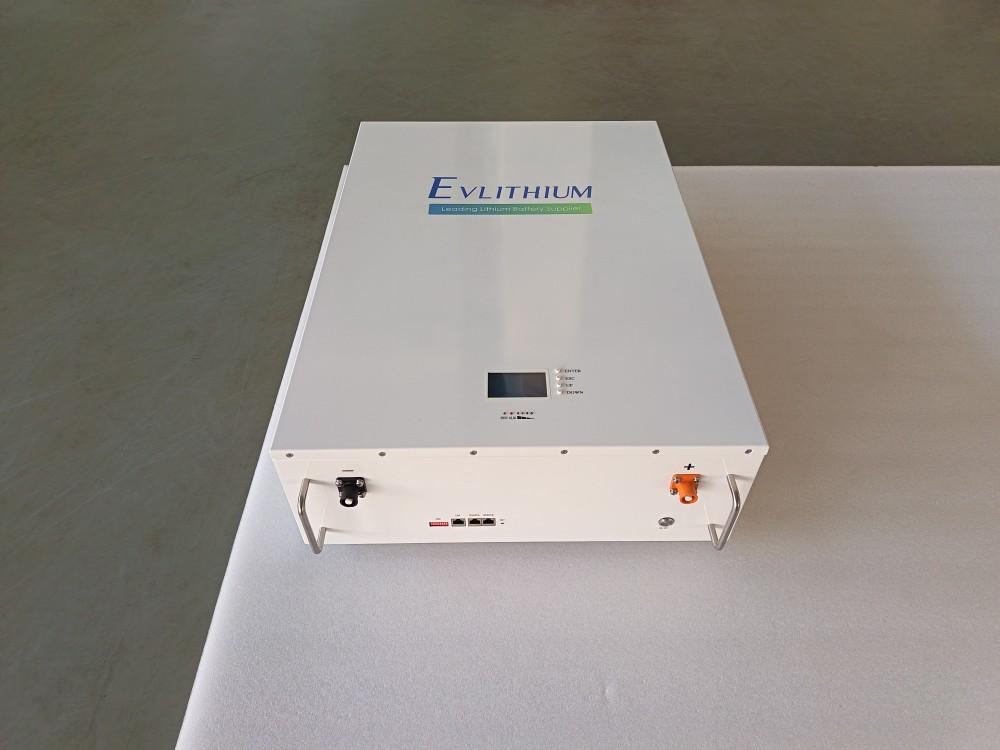
Battery packs are the fundamental integrated components behind modern commercial and industrial energy storage systems. Unlike individual lithium cells that only provide basic energy storage functions, a complete battery pack combines battery cells, battery management systems (BMS), thermal management solutions, structural protection components, and intelligent monitoring functions into a fully operational energy storage unit.
For energy storage project developers, system integrators, and bulk battery purchasers, choosing the right application-specific battery pack is a critical decision that directly affects system reliability, service life, operational safety, and long-term return on investment.
Many B2B procurement mistakes occur because buyers focus only on basic specifications such as voltage and capacity while overlooking essential design factors, including cell matching technology, series-parallel configuration, thermal management design, BMS compatibility, and environmental protection capabilities. Poorly designed battery packs may suffer from uneven cell degradation, overheating issues, frequent protection alarms, and shortened system lifespan.
This guide provides a comprehensive overview of commercial energy storage battery packs, covering their core components, key technical specifications, application differences, and professional purchasing considerations. It is designed to help B2B buyers and system integrators make informed decisions when selecting or customizing battery solutions.
A reliable industrial energy storage battery pack is far more than a simple combination of lithium cells. It is a highly integrated energy module that requires precise engineering, intelligent management, and multiple protection mechanisms. Every component plays an important role in ensuring long-term safe and stable charging and discharging performance.
A professional battery pack mainly consists of four key parts: high-quality battery cells, intelligent BMS, thermal management structure, and mechanical/electrical protection systems.
Battery cells are the primary energy storage units inside the battery pack, and their quality determines the overall performance ceiling of the entire system.
Commercial and industrial energy storage applications mainly use Grade A LiFePO4 (Lithium Iron Phosphate) cells due to their excellent thermal stability, long cycle life, high safety performance, and strong reliability compared with traditional ternary lithium batteries.
High-quality industrial-grade cells typically support thousands of charge and discharge cycles while maintaining strong capacity retention under continuous cycling and long-term standby conditions. This makes them suitable for applications such as:
Grid energy storage
Renewable energy integration
Peak shaving and load shifting
Backup power systems
Industrial energy management
In contrast, low-quality battery packs may use Grade B cells or refurbished cells with inconsistent internal resistance and capacity characteristics. During operation, these differences can accelerate cell imbalance, causing individual cells to experience overcharge or overdischarge conditions. Over time, this can significantly reduce the performance and service life of the entire battery pack.
The Battery Management System (BMS) acts as the control center and protection system of an energy storage battery pack. It continuously monitors operating conditions and ensures safe, efficient, and reliable battery performance.
A professional industrial BMS typically provides real-time monitoring of:
Individual cell voltage
Pack current
Operating temperature
State of Charge (SOC)
State of Health (SOH)
It also integrates multiple safety protection functions, including:
Overcharge protection
Over-discharge protection
Overcurrent protection
Short-circuit protection
Over-temperature and low-temperature protection
For large-scale energy storage applications, advanced BMS solutions also support:
Active cell balancing
Remote communication
Fault diagnosis
Data logging
Integration with Energy Management Systems (EMS)
Through communication with higher-level energy management platforms, the BMS enables intelligent energy scheduling and optimized system operation, making it an essential component for commercial and industrial energy storage projects.
Temperature control is one of the most important factors affecting battery performance, safety, and lifespan. Temperature differences between individual cells can accelerate aging and reduce overall pack efficiency.
Professional energy storage battery packs are designed with advanced thermal management systems based on power requirements and application environments. Common solutions include:
Thermal conductive materials
Cooling fans
Heat dissipation channels
Liquid cooling systems
These designs help maintain consistent operating temperatures across all cells, prevent localized overheating, and minimize temperature differences within the battery module.
In addition, industrial battery packs often incorporate:
Waterproof structures
Dust-resistant enclosures
Electrical insulation protection
Shock-resistant designs
These features allow battery packs to operate reliably in outdoor environments, energy storage containers, factories, and other demanding industrial conditions.
Industrial battery packs require robust mechanical structures and reliable electrical connections to ensure long-term stability.
High-quality battery packs typically use:
High-current wiring harnesses
Low-resistance copper busbars
High-temperature-resistant cables
Reinforced metal enclosures
Secure module fixing structures
These components reduce energy losses, minimize heat generation, and improve resistance against vibration, impact, and transportation stress.
A well-designed mechanical structure ensures that the battery pack maintains stable performance throughout years of continuous operation.
For professional B2B procurement, evaluating only voltage and capacity is insufficient. System integrators must consider multiple technical indicators to determine whether a battery pack can meet project requirements.
Cell consistency is one of the most important indicators of battery pack quality.
Before assembly, professional manufacturers perform strict screening of battery cells based on:
Internal resistance
Voltage level
Capacity performance
Self-discharge characteristics
High-quality battery packs ensure that cell differences remain within strict limits, reducing imbalance during operation.
Excellent consistency provides several benefits:
Prevents premature cell degradation
Improves charging and discharging efficiency
Extends overall cycle life
Ensures synchronized aging of battery modules
Poor cell matching, however, can cause certain cells to reach voltage limits earlier than others, reducing the usable capacity of the entire system.
Different energy storage applications require different discharge performance.
For example:
Residential energy storage systems usually operate at moderate discharge rates.
Industrial peak shaving systems require higher continuous output capability.
Backup power systems may require short-term high-current discharge.
Professional battery pack suppliers can customize discharge rates according to project requirements, ensuring stable power output without excessive voltage drop or performance degradation.
Energy storage systems installed outdoors, in containers, or in industrial environments must withstand challenging operating conditions.
High-quality industrial battery packs are designed with appropriate protection ratings, such as:
Dust resistance
Water resistance
Corrosion protection
Temperature adaptability
Many industrial solutions are engineered to operate reliably across wide temperature ranges, allowing deployment in different climates and regions.
Cycle life is a key factor determining the economic value of an energy storage project.
Premium commercial battery packs maintain high capacity retention after thousands of charge-discharge cycles, while lower-quality products may experience rapid capacity loss after relatively short operation periods.
Long cycle life helps:
Reduce replacement frequency
Lower maintenance costs
Improve project profitability
Increase total return on investment
Based on capacity level, structural design, and application requirements, energy storage battery packs are generally divided into three categories:
Small modular battery packs
Medium commercial battery packs
Large industrial container battery systems
Selecting the correct type is essential to avoid unnecessary investment or insufficient system performance.
Small modular battery packs are designed for flexible installation and easy capacity expansion.
Typical applications include:
Residential energy storage
Small commercial buildings
Office backup power
Distributed energy systems
These systems usually emphasize safety, simplicity, and long-term stable operation with moderate discharge requirements.
Medium-sized commercial battery packs are widely used in:
Factory peak shaving
Industrial backup power
Solar and wind energy storage systems
EV charging station energy buffering
They support frequent charge and discharge cycles and provide flexible energy management solutions for businesses seeking to reduce electricity costs.
Large-scale containerized battery systems are designed for utility and industrial applications, including:
Grid-scale energy storage
Large photovoltaic storage projects
Renewable energy power stations
Industrial energy hubs
These systems typically integrate:
Liquid cooling technology
Centralized monitoring platforms
Advanced BMS solutions
Intelligent energy management systems
They are capable of supporting continuous operation and large-scale power dispatch requirements.
Because battery pack quality varies significantly among suppliers, professional purchasing evaluation is essential for reducing project risks.
Qualified battery packs should comply with international safety and quality standards, including certifications such as:
UL
CE
IEC
Certification compliance helps ensure product reliability and smooth market access for international projects.
Different projects require different electrical and mechanical designs.
A reliable supplier should be able to customize:
Series-parallel configurations
Voltage and capacity
Discharge rate
Communication protocols
Protection parameters
Mechanical structures
Strong customization capability allows better integration with different energy storage platforms.
Battery pack reliability depends heavily on manufacturing processes.
Professional suppliers should have:
Strict incoming cell inspection
Automated assembly processes
Electrical testing procedures
Aging test systems
Quality traceability management
These processes ensure consistent performance across large production volumes.
Commercial energy storage projects require reliable after-sales support.
Important services include:
Remote monitoring assistance
Fault diagnosis
Replacement support
Technical consultation
System optimization guidance
Long-term supplier support is essential for maintaining stable system operation.
Energy storage battery packs are the core foundation of modern renewable energy and power management systems. Their structural design, component selection, and technical performance directly influence system safety, efficiency, reliability, and long-term operating costs.
Unlike simple lithium cells, commercial battery packs focus on system-level integration, including cell consistency, intelligent protection, thermal management, and environmental adaptability.
For B2B buyers, project developers, and system integrators, selecting reliable industrial-grade battery packs with strong safety features, stable cycle performance, and customization capabilities is essential for ensuring long-term project success and maximizing investment value.
Industrial energy storage battery packs use higher-quality Grade A cells, professional BMS solutions, advanced thermal management systems, and stronger structural protection. They are designed for frequent cycling, long operating periods, and demanding commercial applications, while ordinary battery packs are usually not suitable for continuous industrial operation.
Cell inconsistency causes uneven aging among individual cells. During operation, weaker cells may reach voltage limits earlier, triggering protection events and reducing the usable capacity of the entire system. High consistency ensures balanced operation and extends battery pack lifespan.
Yes. Professional battery pack manufacturers can customize series-parallel configurations, capacity levels, voltage platforms, communication interfaces, and discharge characteristics according to specific project requirements.
High-quality LiFePO4 battery packs require minimal maintenance. Regular inspections mainly involve checking:
Operating temperature
Physical enclosure condition
System alarms
Communication status
Periodic data analysis and system monitoring can further improve performance and extend service life.
Welcome to contact us:
Inquire more product details from the: Lithium Ion Battery Suppliers
WhatsApp/Wechat/Mobile: +86 13326321310
Email: info@battery-energy-storage-system.com
Website: www.battery-energy-storage-system.com
Ready to power your energy systems with the best in the industry?
Contact us today to get the latest pricing and discuss your needs with our team!
Next:Customized 48V 34Ah LiFePO4 Battery Pack for Logistics Machines
Previous:2.4V 1300mAh 18650 LTO Cylindrical Battery Cells Shipped to the USA