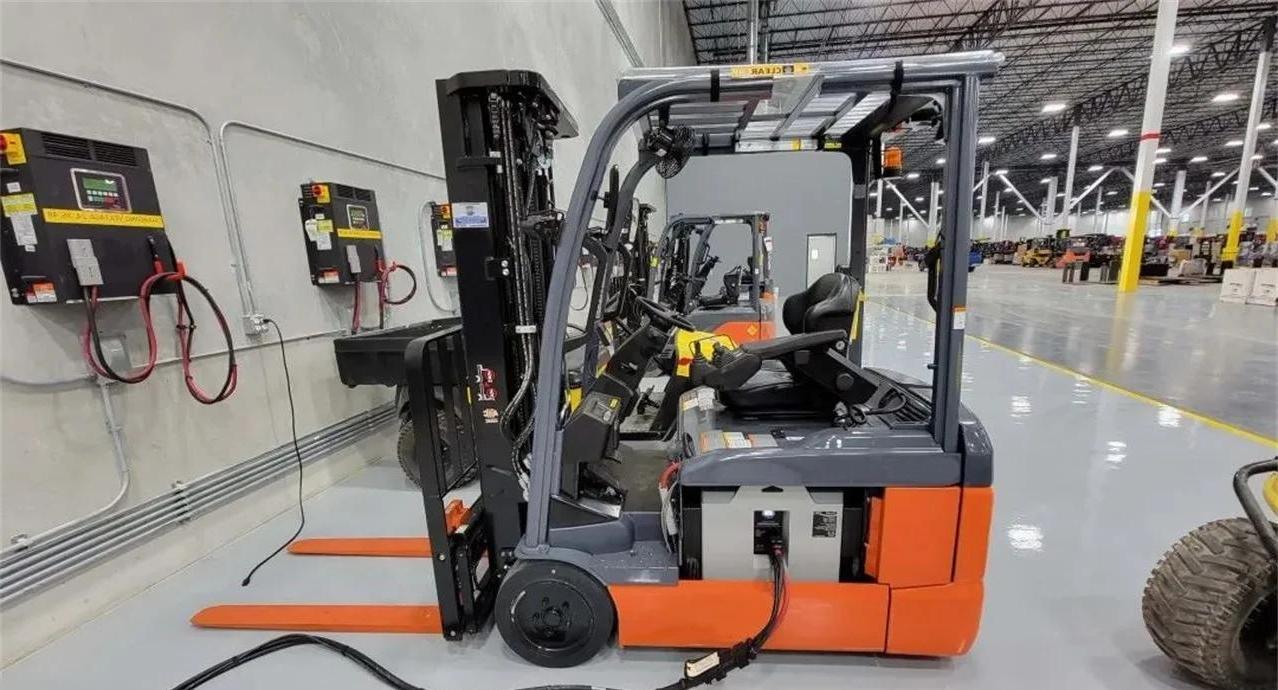
In today’s fast-paced industrial environment, the choice of power source for material handling equipment plays a critical role in shaping operational efficiency, workplace safety, and long-term cost effectiveness. Among the available options, lithium forklift batteries have emerged as a transformative alternative to conventional lead-acid batteries. As more industries embrace lithium technology, gaining a thorough understanding of its nuances has become essential for warehouse managers, logistics professionals, and maintenance teams alike.
Lithium forklift batteries are rechargeable energy storage systems purpose-built for forklifts and other material handling equipment. Unlike traditional lead-acid batteries, lithium-ion variants leverage lithium salts and advanced cell chemistry to deliver a lightweight, high-energy-density power source. Their design is tailored to meet the rigorous demands of modern warehouses, including fast charging capabilities, extended service life, and enhanced safety features.
For decades, lead-acid batteries served as the backbone of forklift power systems. However, they come with notable drawbacks—significant weight, prolonged charging times, regular maintenance needs, and comparatively short lifespans. The move to lithium technology directly addresses these limitations. Lithium batteries are considerably lighter, which improves payload capacity and simplifies handling. They also support faster charging, often reaching full capacity in just hours, thereby reducing downtime and boosting productivity.
Moreover, lithium batteries require minimal upkeep, eliminating the need for watering or equalization—routine tasks associated with lead-acid units. Their extended cycle life translates into a lower total cost of ownership over time, positioning them as a sound investment for a wide range of operations.
Lightweight Construction: Reduces overall equipment weight, enhancing maneuverability and performance.
Fast Charging and Opportunity Charging: Allows for brief, frequent top-ups during breaks without compromising battery health, resulting in greater operational uptime.
Extended Cycle Life: Typically delivers 2,000 to 3,000 charge cycles, far surpassing lead-acid alternatives.
Enhanced Safety: Equipped with advanced thermal management and protective circuitry to guard against overheating, overcharging, and short circuits.
Maintenance-Free Operation: Eliminates watering, equalization, and the risk of acid spills, promoting a cleaner and safer work environment.
Consistent Power Output: Sustains strong performance throughout the entire discharge cycle.
Examining the design of lithium forklift batteries helps clarify why they outperform traditional options. Contemporary lithium batteries are composed of multiple cells housed in a durable enclosure. They incorporate intelligent Battery Management Systems (BMS) that continuously monitor cell voltages, temperatures, and overall condition to ensure safe operation.
The BMS also oversees charging and discharging processes, preventing overcurrent and thermal runaway. A modular design enables manufacturers to customize voltage and capacity based on specific forklift requirements, making lithium batteries highly versatile.
A key advantage of lithium forklift batteries lies in their support for opportunity charging—short charging sessions during breaks or shift changes that do not harm the battery. This flexibility allows forklifts to remain in service for extended hours without waiting for a full charge, delivering a significant boost in productivity.
The charging infrastructure for lithium batteries differs from traditional systems. High-frequency chargers designed for lithium technology are essential to optimize both performance and longevity. Adhering to proper charging practices, such as monitoring temperature and following manufacturer specifications, helps maximize battery life.
Despite their advanced safety features, handling lithium forklift batteries demands strict adherence to established protocols. Facilities should provide safety training for personnel involved in battery handling and maintenance. Using appropriate Personal Protective Equipment (PPE) and following safe handling procedures helps mitigate risks associated with electrical hazards or thermal incidents.
Facilities should also ensure that charging areas are equipped with adequate ventilation, fire suppression systems, and emergency shutdown controls. Routine inspections and maintenance of batteries and chargers can help prevent potential issues from escalating.
Lithium forklift batteries contribute to sustainability through their extended service life and reduced replacement frequency. They generate less waste and maintain a smaller carbon footprint over their lifecycle compared to lead-acid batteries. Recycling programs play a vital role in responsibly managing end-of-life lithium batteries, enabling the recovery of valuable materials such as lithium, cobalt, and nickel.
As environmental regulations grow more stringent, opting for lithium batteries aligns with corporate sustainability objectives. Their reduced resource consumption and the recyclability of their components support environmentally responsible operations.
The initial investment in lithium forklift batteries may appear higher than that of traditional lead-acid options. However, when evaluating total cost of ownership—including maintenance, replacement, energy consumption, and downtime—the long-term savings become evident. Longer lifespan and faster charging capabilities reduce both replacement frequency and operational interruptions.
Industrial facilities that transition to lithium technology often realize gains in productivity, safety, and environmental performance, resulting in a compelling Return on Investment (ROI). Strategic planning, including assessment of charging infrastructure and staff training, helps maximize these benefits.
Leading logistics firms and manufacturing plants have reported significant improvements following the adoption of lithium forklift batteries. For instance, a major distribution center saw a 30% increase in throughput due to shorter charging times and fewer battery changes. Similarly, an automotive parts manufacturer reduced maintenance costs and achieved a notable improvement in safety metrics.
As awareness of these advantages grows, lithium battery adoption continues to rise across sectors such as retail, warehousing, e-commerce, and manufacturing, establishing new benchmarks for reliability and efficiency in material handling equipment.
Ongoing advancements in lithium-ion technology point toward even greater innovations. Solid-state batteries, enhanced BMS algorithms, and more intelligent charging solutions are on the horizon. Integration with IoT platforms enables real-time monitoring and predictive maintenance, further optimizing fleet management.
Research into alternative materials and improved recycling methods aims to make lithium batteries more sustainable and environmentally friendly. As global supply chains evolve, the push for greener, smarter, and more efficient power solutions for forklifts will continue to accelerate.
Transitioning to modern energy storage solutions calls for the right technical partner. Whether equipping a single electric pallet jack or an entire warehouse fleet of heavy-duty forklifts, selecting the appropriate LiFePO4 configuration is critical to maximizing operational efficiency.
Contact our technical team today to discuss your specific load requirements, and let us engineer a lithium forklift battery solution that keeps your business moving.
Next:CALB launches 400 Wh/kg Semi Solid State Battery for Light Truck
Previous:CALB Begins Mass Production of Aviation Batteries for Aridge EVTOL